Canada's 50% Whey Tariff Disrupts Supply Chains for Protein Manufacturers
A new 50% retaliatory tariff on U.S. whey protein is causing significant supply chain disruptions for Canadian manufacturers, who rely on the U.S. for approximately 90% of their high-protein whey imports.
Canada’s imposition of a 50% retaliatory tariff on U.S. whey protein concentrate and other whey categories, effective September 8, has triggered substantial supply chain challenges for domestic manufacturers of high-protein foods. The move comes as Canada relies on the United States for approximately 90% of its high-protein whey imports, while local production of whey protein concentrate (WPC80) and whey protein isolate remains negligible.
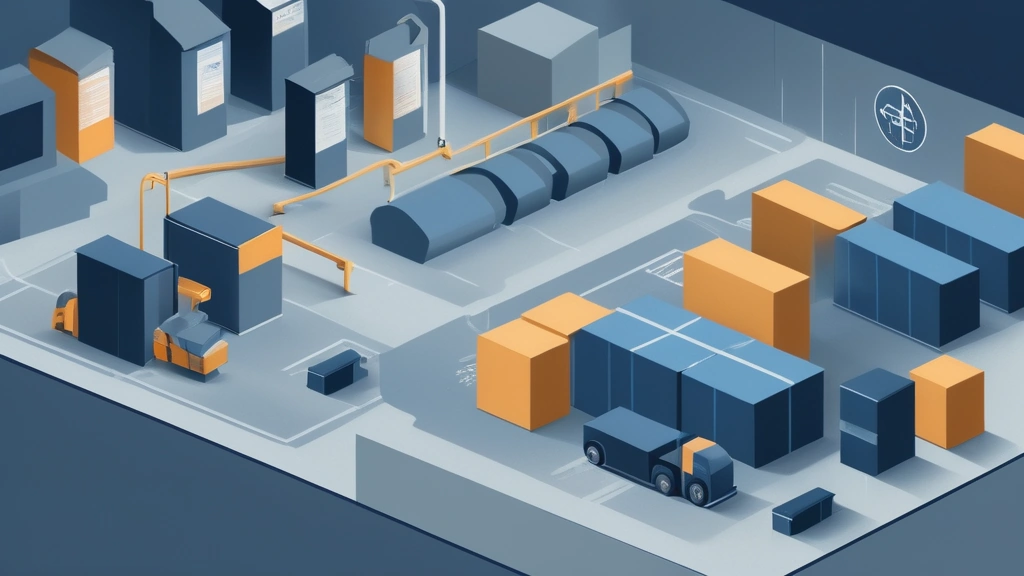
The financial impact is immediate for companies like Coachwood Group Inc., which spends roughly US$2 million to US$3 million monthly on whey protein, with 90% sourced from the U.S. For example, a single truckload of whey, containing about 40,000 pounds and valued at US$500,000, could incur an initial tariff payment of $300,000 under the new rules. With Canada importing around 1,000 tonnes of high-protein whey monthly, the aggregate cost increase is significant.
Manufacturers are now scrambling to secure alternative supplies from Europe and New Zealand. However, this transition involves logistical hurdles and potential product reformulation. Some firms have stockpiled enough inventory to last until November, but others face the risk of halting production if they cannot secure new contracts in time. Switching suppliers requires extensive testing, adding operational complexity during a period of already soaring global prices.
Global market conditions further complicate the situation. The average U.S. price of WPC80 rose roughly 400% to more than US$28,160 per tonne in August 2026, up from about US$5,620 per tonne in August 2023. Interestingly, European WPC80 averaged about US$31,290 per tonne in August, making it cheaper than U.S. product once the 50% Canadian tariff is applied. Despite these shifts, U.S. spot-market whey prices fell by 15% to 20% over a recent 45-day period.
Trade tensions are expected to escalate further. Beginning September 29, the U.S. will prohibit imports of specified Canadian whey products, including whey protein concentrates and modified whey. Last year, the U.S. imported more than US$35-million worth of whey products from Canada, according to the International Dairy Foods Association. As Canadian manufacturers navigate higher input costs and sourcing difficulties, consumers may face reduced product availability or increased prices.