Canada Unveils Stimulus Budget as U.S. Election Reshapes Markets and Trade Outlook

Finance Minister François-Philippe Champagne presented a Canadian budget centered on stimulus, infrastructure, and tax cuts following a U.S. election that triggered sharp declines in AI-linked stocks and boosted renewable energy shares. The budget targets housing, electrification, and startups, while internal Republican divisions may ease future trade tensions between the two countries.

Nova Scotia's IESO Plans to Take Over Electricity Grid Control from Nova Scotia Power in 2028

The Independent Energy System Operator (IESO) intends to assume control of Nova Scotia's electricity grid from Nova Scotia Power in spring 2028. The transition, estimated to cost $75 million in total capital expenses, involves building a new control room and nearly doubling the organization's workforce. Expert consultants project customer benefits exceeding $200 million over 15 years.

Canada Loosens Temporary Foreign Worker Rules, Raising Employer Caps and Extending Permits

The Canadian federal government announced reforms to the Temporary Foreign Worker program, increasing the cap on foreign workers for eligible employers from 10 per cent to 15 per cent and extending Labour Market Impact Assessment validity from one to two years. The changes have drawn support from business groups and criticism from migrant rights advocates and the Conservative Party.

Canada's 2026 Budget Projects Nearly 660,000 New Permanent Residents in 2027 Through One-Time Streams

Budget 2026 sets annual immigration targets of 380,000 permanent and 370,000 temporary residents for the next three years, while one-time measures are projected to bring total new permanent residents to approximately 657,250 in 2027. Prime Minister Mark Carney defended the plan as sustainable, while Conservative Leader Pierre Poilievre argued it exceeds Canada's capacity.

Canada Tables $22.1 Billion in Supplementary Estimates for Defence, Social Services and Tariff Relief

On November 6, 2026, the Canadian government tabled Supplementary Estimates (B) for the 2026–27 fiscal year, seeking parliamentary approval for $22.1 billion in new voted spending across 71 organizations. The funding targets defence capabilities, child care, dental care, affordable housing, Indigenous settlements, and tariff-affected sectors, bringing total planned budgetary spending to $538.3 billion.

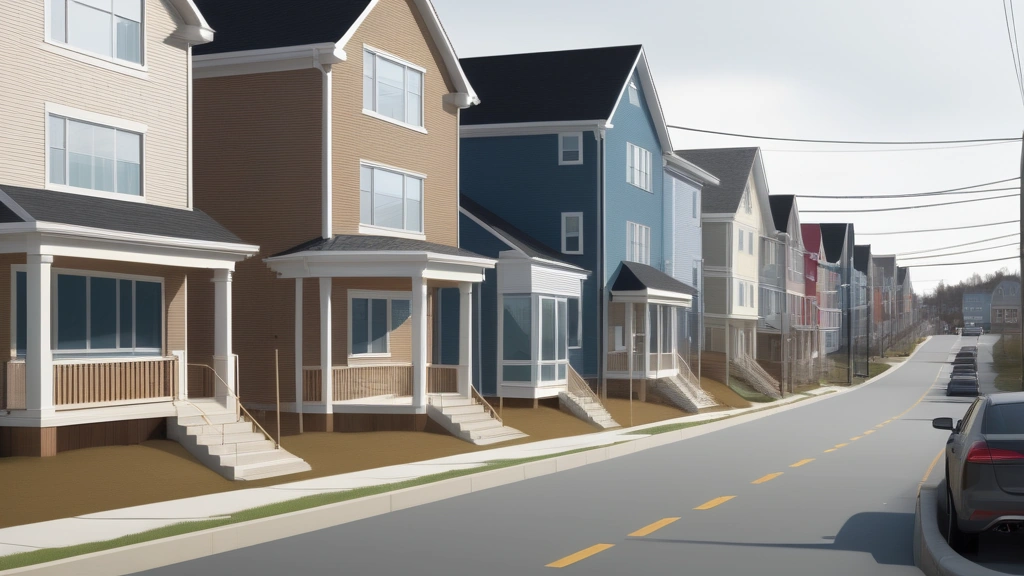
Nova Scotia Extends Halifax Development Fee Freeze to 2029 to Secure Federal Housing Funds

The Nova Scotia government has extended a freeze on development fees in the Halifax Regional Municipality until 2029 to meet federal requirements for accessing $366 million from the Build Communities Strong Fund. While provincial and municipal leaders say the move supports housing affordability, several councillors warn it could shift infrastructure costs to taxpayers.