Misaligned Tactile Sidewalk Indicators Pose Safety Risks for Visually Impaired Pedestrians in Sydney, N.S.
Tactile attention indicators at some intersections in Sydney, Nova Scotia, are angled incorrectly, directing visually impaired pedestrians into traffic. The Cape Breton Regional Municipality has begun replacing the worst indicators and is preparing a report on the scope and cost of the problem.
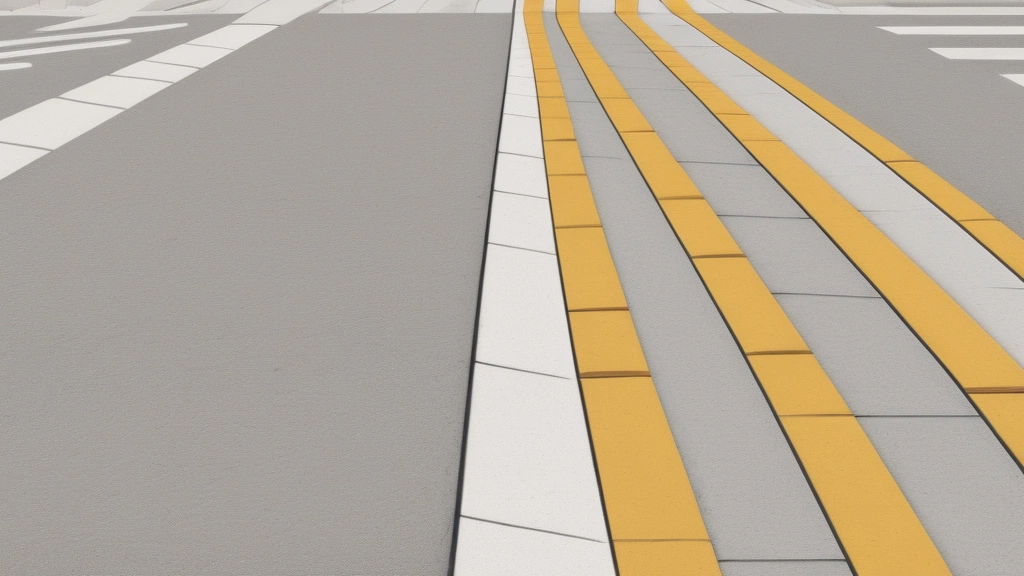
Tactile attention indicators installed on sidewalks at some intersections in Sydney, Nova Scotia, are angled in the wrong direction, pointing visually impaired pedestrians into traffic rather than toward crosswalks. The misalignment poses increased danger to those crossing streets and can lead cane users outside safe crosswalk boundaries.

Louise Gillis, a legally blind advocate, past president of the Canadian Council of the Blind, and member of the Cape Breton Regional Municipality (CBRM) accessibility advisory committee, identified the dangerous misalignment. She noted that one such indicator is located directly across from CBRM city hall. Some tactile indicators are curved in an arc shape, which further complicates navigation for cane users who trace the outline to determine direction.
The CBRM accessibility advisory committee discussed the indicator alignment problem last month and brought it to CBRM council last week. In response, CBRM council directed staff to write a report on the potential cost, the scope of the problem, and the differences between tactile attention indicators and tactile direction indicators.
CBRM public works director John Phalen stated that the misalignments were caused by contractors not installing the indicators properly and by old infrastructure where sidewalks and crosswalks do not align. CBRM staff have already replaced a couple of the worst misaligned indicators while working on the report for a permanent solution.