Alberta Voters Reject Separatism Referendum, Choose to Remain in Canada
Approximately 76 per cent of Albertans voted against pursuing a formal referendum on separatism, opting to remain part of Canada. Results for nine other questions on immigration and constitutional powers are still being counted.
Alberta voters have decisively rejected the prospect of a formal referendum on separatism, with approximately 76 per cent choosing to remain part of Canada without further deliberation by midnight on Monday.
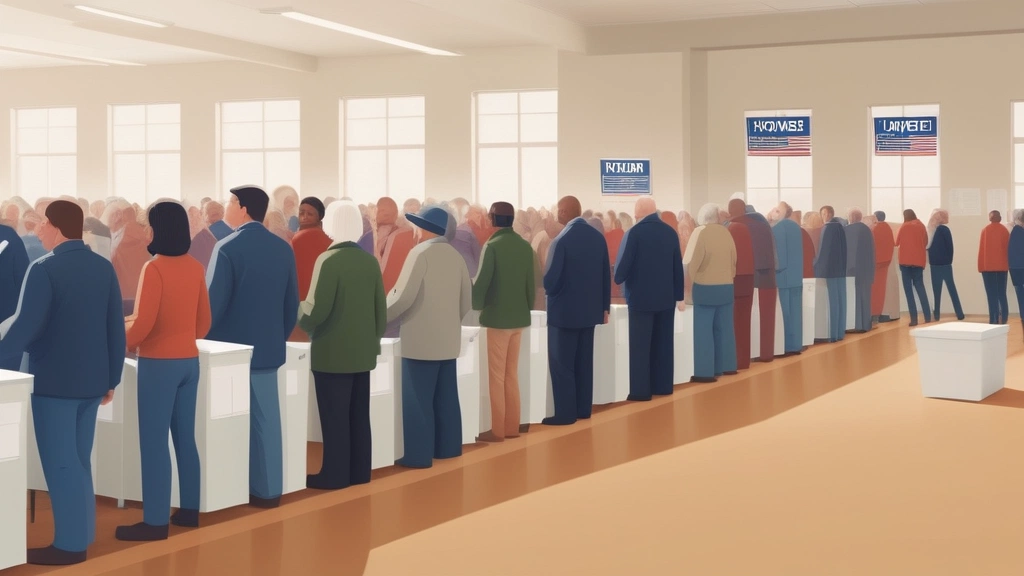
Elections Alberta announced the result late Monday night following a vote that included 10 government-initiated questions. As of 1 a.m. MT, the count for the separation question stood at 1,005,641 votes to remain in Canada and 310,672 votes to hold a second referendum or leave, out of 1,316,313 total votes counted. The question asked whether Alberta should remain in Canada or begin the legal process for a future binding referendum on separation.
The referendum was initially announced on Feb. 19 with nine questions focused on immigration and the Constitution. Premier Danielle Smith added the tenth question regarding independence in May after a Court of King’s Bench judge quashed a separatist petition. The court cited a duty to consult First Nations before the group Stay Free Alberta could gather signatures. Smith’s United Conservative Party did not campaign on holding a separation vote during the 2023 provincial election.
Voter participation was high. More than 1.35 million votes were cast via advance polls and special mail-in ballots, significantly exceeding the roughly 810,000 who voted through those methods in the 2023 provincial election. Special ballot usage increased tenfold compared to 2023, with Elections Alberta receiving 519,082 mail-in ballots. To manage the count, Elections Alberta hired more than 48,000 workers to count ballots around the clock, as officials are required by law to count all votes by hand within 48 hours.
Early results were delayed by more than three hours because several polling locations opened late on Monday.
Polling since the beginning of 2026 consistently showed about 70 per cent of Albertans wanted the province to remain in Canada. An Ipsos poll in January found about three in 10 residents supported independence, but only half of those interested were truly committed when considering costs and consequences. Historical grievances influencing Alberta politics include anger over the Canadian Wheat Board monopoly, Pierre Trudeau’s National Energy Program, and Justin Trudeau’s policies on energy and pandemic restrictions.

Premier Smith stated she expected everyone to accept the result if it matched polling predictions, though leaders of the independence movement contest this. Prime Minister Mark Carney visited Alberta last week to rally pro-Canada forces and urged Albertans to reject the nine remaining questions.
While the separation question was decided, results for the remaining nine questions were still being counted as of early Tuesday morning. Those questions address immigration controls, including work permits and health care and education fees, as well as constitutional changes such as wrestling power from the federal government and abolishing the Senate. Results for these nine non-separation questions were expected to be completed and announced by Wednesday.