Alberta Premier Danielle Smith Sets October Referendum on Immigration, Services, and Separation
Alberta Premier Danielle Smith has scheduled a provincewide referendum for October 19 featuring ten questions. The ballot includes measures to restrict immigration, limit access to provincial services for non-citizens, require proof of citizenship for voting, and pursue constitutional amendments regarding the judiciary, Senate, and federal spending power. The final question asks whether Alberta should remain in Canada or initiate a binding separation referendum.
Alberta Premier Danielle Smith has scheduled a provincewide referendum for October 19 that will feature ten distinct questions. The ballot covers a wide range of issues, including restrictions on immigration levels, eligibility for provincial services, voting requirements, and potential constitutional changes affecting the relationship between Alberta and the federal government.
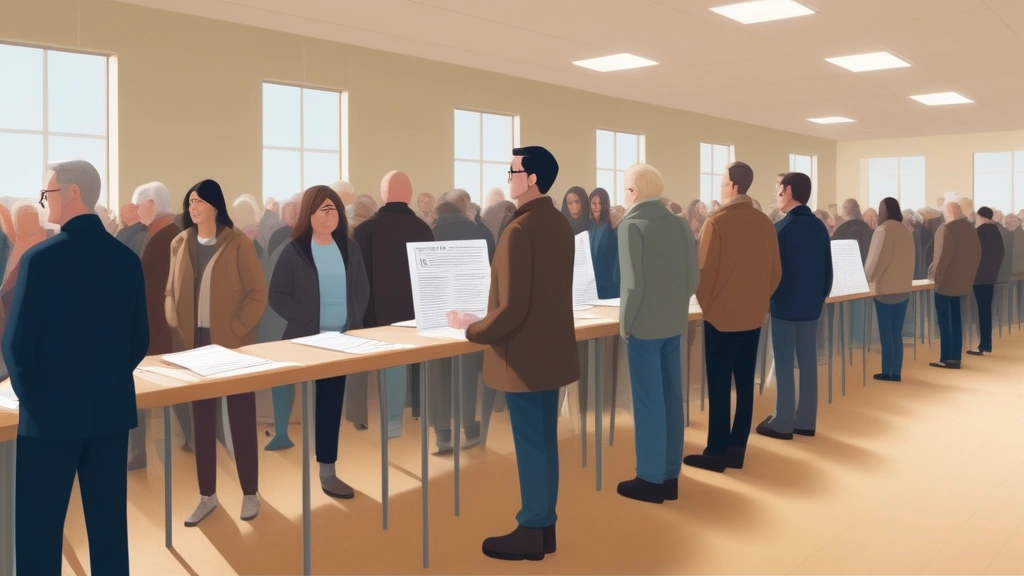
The first three questions focus on immigration and residency. Question 1 asks if Albertans support government control over immigration to decrease levels to "sustainable numbers," prioritizing economic migration and local employment. In February, Premier Smith stated that a "normal" level of immigration would be less than one percent of the population, or about 50,000 newcomers per year.
Question 2 proposes mandating that only Canadian citizens, permanent residents, and individuals with Alberta-approved status are eligible for provincially funded programs such as health care and education. The Alberta government claims temporary residents cost the province more than $1 billion in health care, education, and social services. However, critics argue these figures do not add up and ignore the economic contributions of temporary residents.
Question 3 suggests requiring non-permanent legal residents to live in Alberta for at least 12 months before qualifying for provincially funded social support programs. The Canadian Bar Association’s provincial chapter warns that this measure could violate the Canada Health Act or the Charter’s equality provisions.

Question 4 addresses user fees, proposing charges or premiums for individuals with non-permanent immigration status who use health care and education systems. On September 22, Premier Smith told Calgary business leaders that a potential health premium could be as much as $1,900. Education leaders oppose restricting schooling access, citing internationally agreed-to children’s rights.
Voting integrity is addressed in Question 5, which requires voters in Alberta provincial elections to provide proof of citizenship, such as a passport or birth certificate. While Elections Canada and Elections Alberta have reported very few cases of ineligible voting under current rules, critics argue this requirement will increase wait times at polls and open the door to racial or ethnic bias.
The remaining questions target constitutional reforms. Question 6 supports working with other provinces to amend the Constitution so provincial governments select justices for King’s Bench and Appeal courts. Such changes generally require approval from seven provincial legislatures covering 50% of Canada’s population, plus the House of Commons and Senate.
Question 7 supports abolishing the unelected federal Senate via constitutional amendment, a move that requires unanimous approval by all provinces and ratification by both federal chambers. Question 8 seeks to allow provinces to opt out of federal programs without losing associated funding, while Question 9 aims to give provincial laws priority over conflicting federal laws in areas of shared jurisdiction.
The final question, Question 10, asks whether Alberta should remain in Canada or commence the legal process for a binding referendum on separation. Separation advocates claim leaving Canada frees up wealth from federal taxation, while federalists warn it saddles Alberta with debt and service costs.