Alberta Voters Reject Separation Referendum, Backing Canadian Unity
In October 2026, more than two-thirds of Alberta voters rejected a proposal to pursue separation from Canada through a binding referendum. While Prime Minister Mark Carney and Premier Danielle Smith celebrated the result as a victory for national unity amid U.S. trade tensions, separatist leaders vowed to continue their movement.
Preliminary results from an October 2026 vote in Alberta show that more than two-thirds of voters chose to remain part of Canada rather than initiate a binding referendum on separation. The outcome marks the first time a Canadian province has weighed the issue of separation since Quebec's referendums in 1980 and 1995.
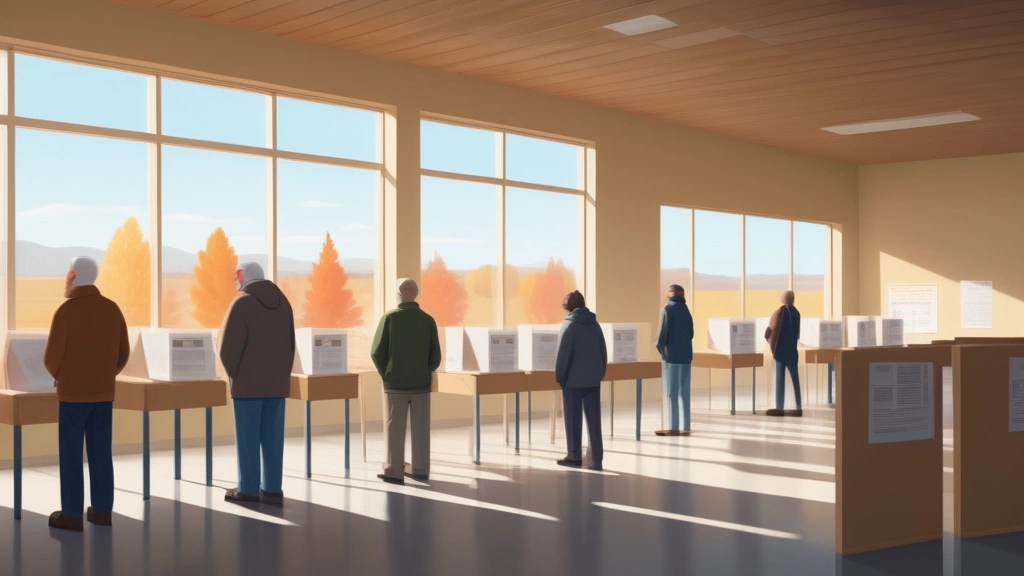
Prime Minister Mark Carney described the vote as a "great result" for Canada, stating he was thrilled that Albertans chose unity. Opponents of separation emphasized the need for a united front against external pressures, specifically citing an ongoing trade war with the United States.
Alberta Premier Danielle Smith supported the unity vote but allowed the referendum to proceed, stating that public demand for a vote was undeniable despite her personal opposition to separatism. The vote was triggered after a grassroots group gathered approximately 300,000 signatures on a pro-separation petition. A judge initially blocked the petition because it failed to consult Indigenous First Nations people, prompting Smith to authorize the non-binding vote instead. This sequence of events may place strain on Smith's leadership within the United Conservative Party.

Despite the decisive setback, separatist leaders Jeffrey Rath and Mitch Sylvestre vowed to continue their movement. Rath suggested they might push to remove Smith from power or hold future votes, pointing to the Parti Quebecois securing a 28% vote share in past efforts as evidence that minority movements can persist.
While the separation question was defeated, early results suggest that most of nine other non-binding questions on the ballot will pass. These measures dealt with provincial autonomy, including immigration control and constitutional issues, potentially increasing Alberta's authority over such matters.