Amherst, N.S., seeks public input on zoning for emergency shelters and supervised consumption sites
The Town of Amherst is gathering public feedback on where future emergency shelters and supervised consumption sites should be permitted. While no applications currently exist, the municipality must define zoning rules under provincial law. Residents remain divided over the existing downtown shelter.
The Town of Amherst in Nova Scotia is asking residents for feedback on zoning definitions related to emergency shelters and supervised consumption sites, as well as where these uses should be permitted in the future. 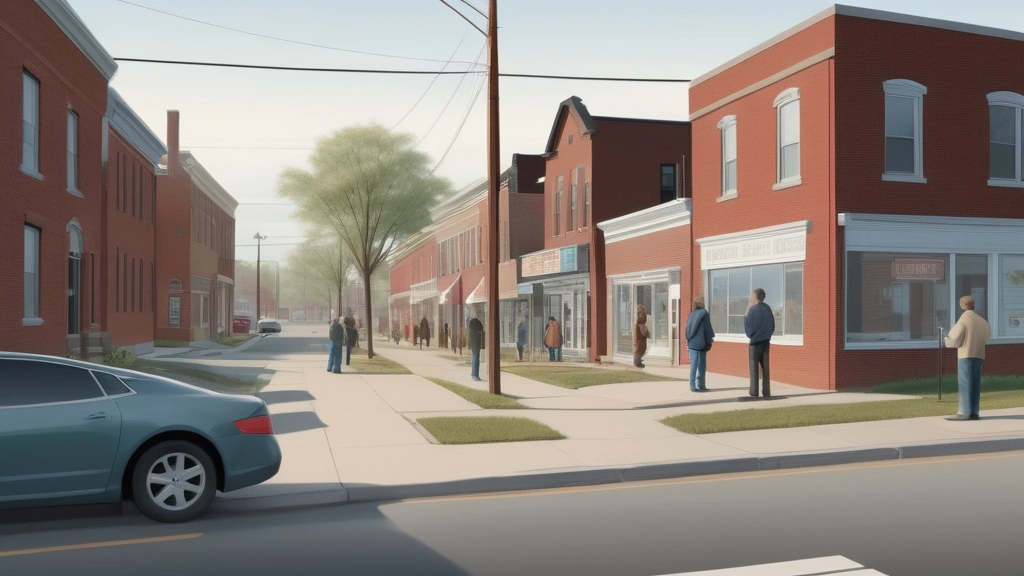
Jason MacDonald, Amherst’s chief administrative officer, stated that there is currently no application for a supervised consumption site or a new emergency shelter. Supervised consumption sites require federal approval and are designed to curb overdose deaths by allowing controlled substance use within a facility.
Under the Municipal Government Act, the town is not allowed to totally prohibit either emergency shelters or supervised consumption sites. A letter from Nova Scotia Health indicated that supervised consumption sites should be located near other health care services, while Public Health supported shelters being close to essential services. Nova Scotia Health clarified that Public Health did not assess, propose, or endorse any specific location, but provided evidence on definitions and zoning principles.
The current emergency shelter, operated by the Cumberland Homelessness and Housing Support Association on Prince Arthur Street, would be allowed to stay even if zoning changes occur.
Public opinion in Amherst is divided. In September, a petition with 337 signatures was presented to council calling for the town to move the shelter. Tina Gibson, a downtown resident, argued that adding a shelter or supervised consumption site to the downtown core would negatively impact the area. Opponents have cited concerns about increased drug use and discarded paraphernalia in public spaces, along with potential negative impacts on downtown businesses and residents.
A counter-petition with 288 signatures was also presented to council in September supporting the shelter's downtown location. Sophie Mack, an organizer of the counter-petition and a recent graduate of NSCC Cumberland's social services program, stated that blaming shelters for substance use is misguided. Supporters argue that issues related to homelessness and lack of services are being misattributed to the shelter, emphasizing the importance of access to services and human rights. 
Amherst's planning advisory committee is expected to make a recommendation on zoning changes, which will be followed by a public hearing after first reading.