Nova Scotia Faces Housing, Legal, and Infrastructure Debates as EV Levy Takes Shape
Human rights lawyer Leilani Farha warns that building more housing may not lower costs due to financialization. Meanwhile, a $30 million lawsuit over the Nova Centre hotel proceeds in court, Premier Tim Houston introduces new electric vehicle levies, and Port Hawkesbury raises concerns about water use for a proposed AI data centre.
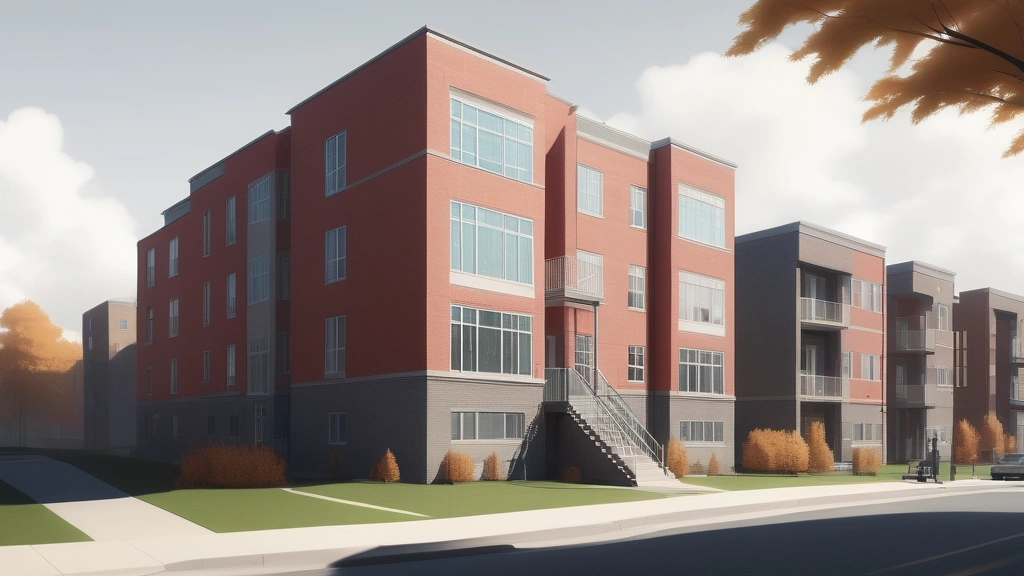
Human rights lawyer Leilani Farha is challenging the assumption that increasing housing supply will automatically reduce costs, pointing instead to the effects of financialization. Citing research from the UK, Farha noted that incentives for purpose-built rental housing led to rent increases of up to 75 percent. She stated that only 3.5 percent of Canada's housing stock is social, co-operative, community-based, or non-profit. As a result, most renters are subject to large private actors who evict tenants at three times the rate of other landlords.
In the courts, ADI Hotel Holdings Limited has filed a lawsuit against Northland Properties (Nova Centre) in the Supreme Court of Nova Scotia. The dispute centers on unpaid contributions for the remaining partnership interest in the Nova Centre hotel. ADI claims Northland owes at least $30 million for the buy-out, while Northland's offers have ranged from $18.7 million to $21.8 million. ADI is seeking an immediate order for $21,108,963. ADI alleges that Northland failed to pay the second part of the partnership deal after the hotel opened, whereas Northland disputes which costs were solely ADI's responsibility versus shared expenses.
On the fiscal front, Nova Scotia Premier Tim Houston's 2026-27 budget imposes a new biennial levy of $500 for electric vehicles and $250 for plug-in hybrid vehicles. Nova Scotia is the fourth province to introduce such a measure.

In Cape Breton, Port Hawkesbury Mayor Brenda Chisholm-Beaton has expressed concern about the volume of water requested by EverWind for its proposed AI data centre. Chisholm-Beaton highlighted the potential impact on the Landrie Lake Water Utility, adding to broader discussions about how proposed AI data centres affect water utility capacity and quality for local towns.