Bay of Fundy Tidal Power Project Clears Federal Hurdles for Six-Turbine Expansion
A tidal energy project in Nova Scotia's Minas Passage has received key federal approvals, allowing developers to expand their plan from three to six floating turbines. The 15-megawatt array could power up to 6,600 homes by 2030 if financing is secured.
A proposed tidal power project in the Bay of Fundy has cleared two major federal regulatory hurdles, receiving approvals from Fisheries and Oceans Canada (DFO) and Transport Canada. The decisions allow developers Eauclaire Tidal and Scottish engineering firm Orbital Marine Power to expand their original three-turbine proposal into a six-unit floating array at the Fundy Ocean Research Centre for Energy (FORCE) in Nova Scotia’s Minas Passage.
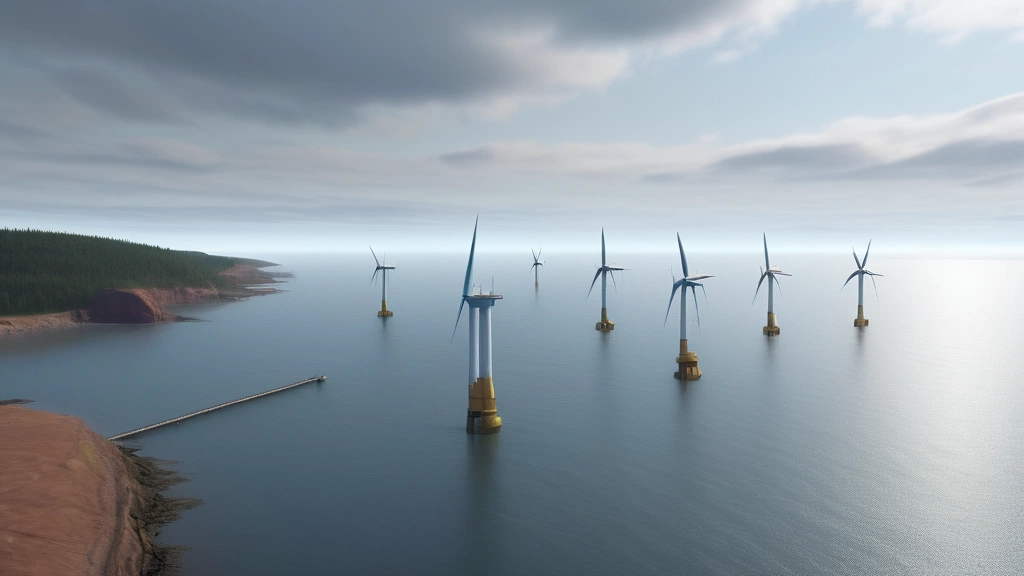
DFO expanded the project's Fisheries Act authorization to cover all six turbines, while Transport Canada approved the full array under the Canadian Navigable Waters Act. The 15-megawatt project is expected to generate enough electricity to power as many as 6,600 homes.
Eauclaire president Jane Lowrie stated that DFO's decision provides greater certainty for the full project while maintaining a responsible, environmentally led approach. Orbital chair Ian Douglas noted that the combination of a contracted route to market and regulatory approvals allows the team to focus on bringing the array to commercial scale.
The six turbines will be installed in phases within FORCE's designated test areas and are expected to be spaced a few hundred metres apart. The proposed machines are Orbital's O2-X turbines, based on the company's O2 technology, which has been generating electricity off the Orkney Islands in Scotland since 2021.
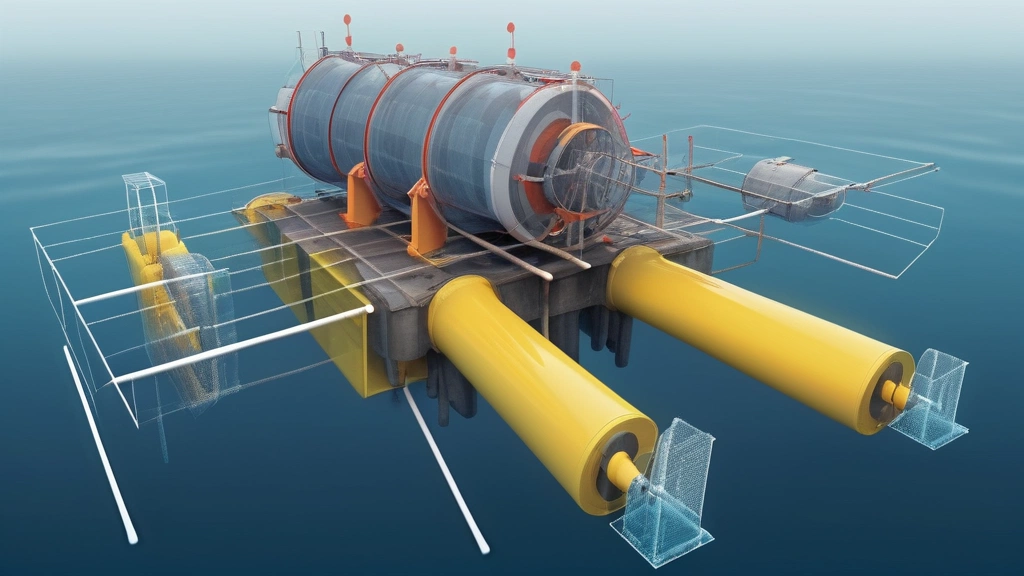
Twice daily, an estimated 14 billion tonnes of water move through the Minas Passage, with currents exceeding five metres per second. Industry estimates suggest the region holds as much as 2,500 megawatts of extractable tidal energy potential.
The project already has a long-term electricity purchase agreement with Nova Scotia Power. However, it is expected to cost several hundred million dollars, requiring substantial financing before a final investment decision can be made. If developers secure the necessary investment and proceed on schedule, the first turbines could begin generating electricity in the Minas Passage as early as 2030.
FORCE was established in 2009 near Parrsboro to help overcome barriers to tidal energy development and serves as North America's leading test site for tidal stream technology. FORCE executive director Lindsay Bennett noted that Canada's tidal industry is positioned as a world leader due to a science-based, staged approach.
The expansion aligns with broader industry goals. Marine Renewables Canada targets include 30 megawatts of tidal energy permitted in Nova Scotia by 2030, 64 megawatts operating or planned at FORCE by 2040, and one gigawatt nationally by 2050.