Federal Approvals Clear Path for Six-Turbine Tidal Power Project in Nova Scotia's Bay of Fundy
Fisheries and Oceans Canada and Transport Canada have approved the expansion of a tidal power project in the Bay of Fundy from three to six floating turbines. Developed by Eauclaire Tidal and Orbital Marine Power, the 15-megawatt array could power up to 6,600 homes, with first generation potentially beginning in 2030 if financing is secured.
A proposed tidal power project in Nova Scotia’s Minas Passage has cleared major federal regulatory hurdles after Fisheries and Oceans Canada (DFO) and Transport Canada approved its expansion from three to six floating turbines. The approvals allow developers Eauclaire Tidal and Scottish engineering firm Orbital Marine Power to advance plans for a 15-megawatt array capable of generating enough electricity to power as many as 6,600 homes.
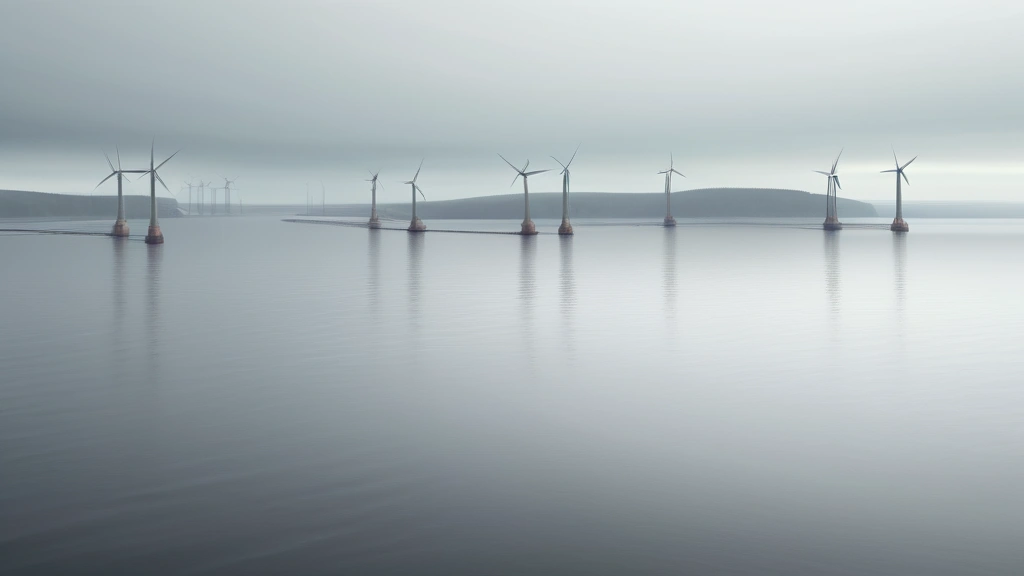
DFO expanded its Fisheries Act authorization to cover all six turbines, while Transport Canada approved the full array under the Canadian Navigable Waters Act. The project is located at the Fundy Ocean Research Centre for Energy (FORCE), which was established in 2009 near Parrsboro to provide infrastructure connecting tidal devices to the grid and serves as North America’s leading test site. The turbines will be installed in phases within FORCE’s designated test areas and are expected to be spaced a few hundred metres apart.
The proposed machines are Orbital’s O2-X turbines, based on O2 technology that has generated electricity off Scotland's Orkney Islands since 2021. The Minas Passage offers substantial energy resources, with an estimated 14 billion tonnes of water moving through it twice daily and currents exceeding five metres per second. Industry estimates suggest the broader Bay of Fundy region holds as much as 2,500 megawatts of extractable tidal energy potential.
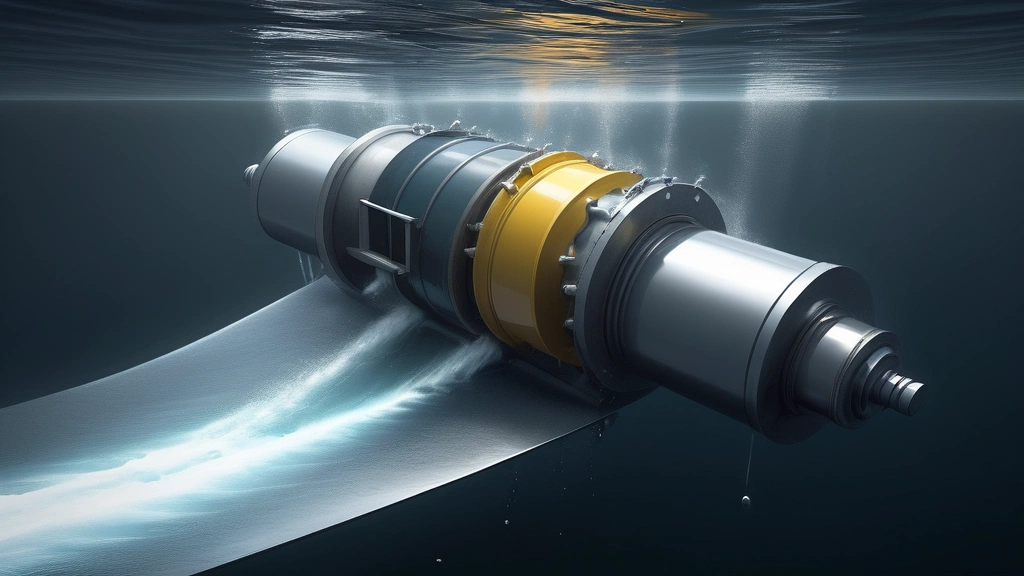
The project includes a long-term electricity purchase agreement with Nova Scotia Power. However, it is expected to cost several hundred million dollars, and the developers must still secure financing. If financing is secured and schedules hold, the first turbines could begin generating electricity as early as 2030.
The approvals represent a significant milestone for a sector facing technical and financial setbacks, providing a clearer path toward commercial development of tidal energy in Canada. The project aligns with targets set by Marine Renewables Canada, which include 30 megawatts permitted in Nova Scotia by 2030, 64 megawatts operating or planned at FORCE by 2040, and one gigawatt nationally by 2050.