BRICS Summit in New Delhi Tests Unity Amid Global Conflicts and Internal Divisions
Leaders from the expanded BRICS bloc gather in New Delhi to address tensions arising from conflicts in Ukraine and the Middle East, while host India seeks to balance its relationships with China, Russia, and Western powers.
Leaders of the BRICS nations are meeting in New Delhi this weekend for a summit that will test the unity of the expanded bloc. The gathering comes at a time when conflicts in Ukraine and the Middle East, along with rising U.S.-China tensions, highlight significant divisions among member states.
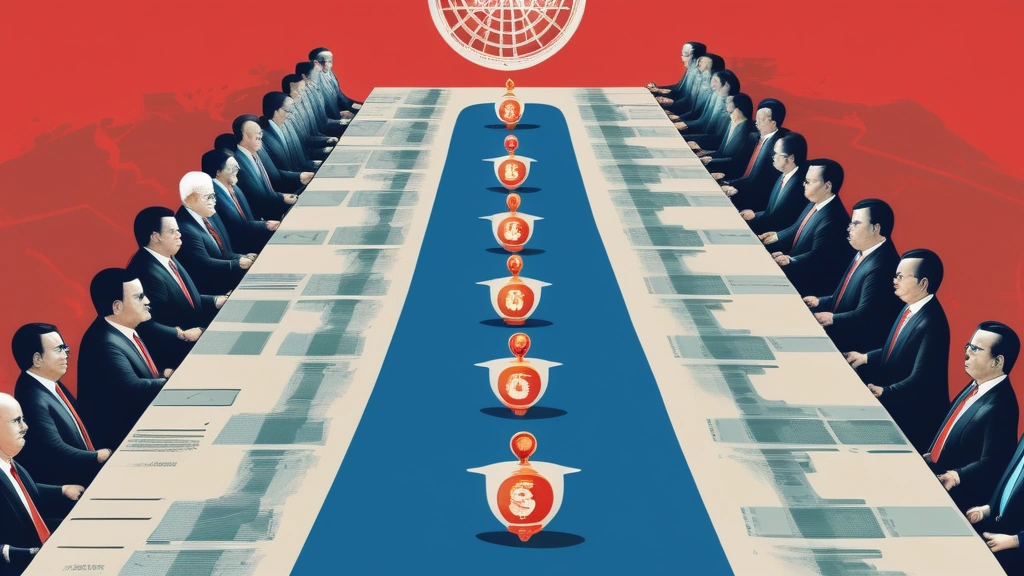
The group has grown from its original membership to include 11 countries, which together represent about half of the world’s population. Key attendees expected at the summit include Russian President Vladimir Putin, Chinese President Xi Jinping, and Iranian President Masoud Pezeshkian. Notably, President Xi’s visit to New Delhi marks his first trip there in seven years.
Host nation India faces the challenge of balancing its close ties with Moscow through energy and defense pacts against its deepening strategic relationship with Washington. The summit serves as an opportunity for India to manage its strategic rivalry with China while preventing BRICS from becoming an explicitly anti-Western bloc.
Internal disagreements are likely to surface during discussions on major global issues. Praveen Donthi, a senior analyst with the International Crisis Group, stated that the Global South is not a homogeneous entity, making it difficult for BRICS to mediate conflicts effectively. The diversity within the group complicates efforts to take a strong common position on wars in Ukraine and the Middle East.
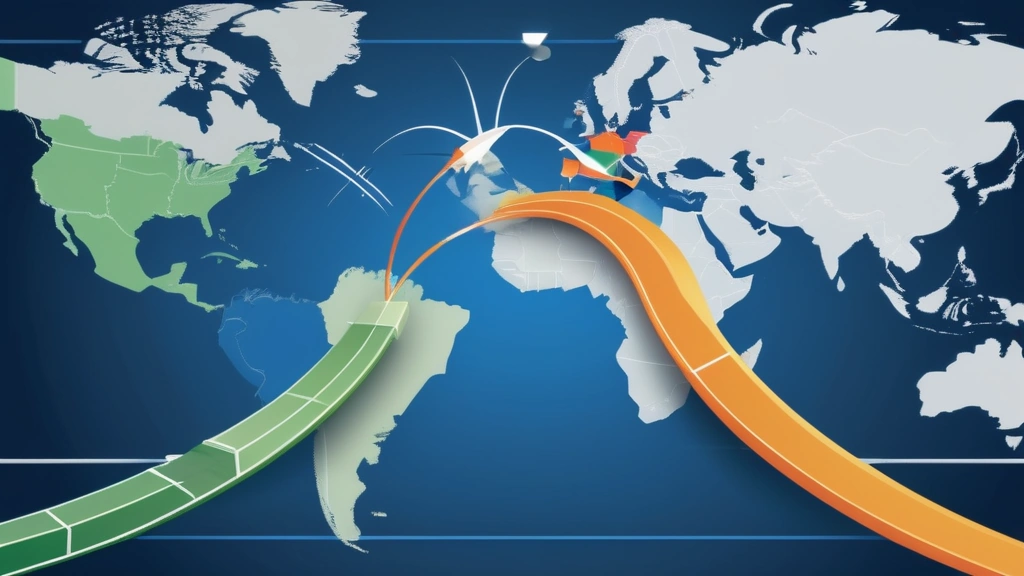
Another central topic of discussion is reducing reliance on the U.S. dollar. Members are exploring ways to increase trade in their own currencies, though experts note that achieving this goal is difficult given the diverse economic systems within the bloc and the dollar's deep embedding in global trade and finance. The future influence of BRICS depends on whether its members can agree on practical steps rather than remaining a "talking shop."