Carney and Xi Announce New Trade and Cultural Partnerships in Shenzhen
On his first full day in Shenzhen for the APEC leaders' summit, Canadian Prime Minister Mark Carney met with Chinese President Xi Jinping to announce extended tariff relief on agricultural and seafood exports, expanded remission coverage for Chinese steel and aluminum, and new cultural agreements including student exchange funding and joint media productions.
Canadian Prime Minister Mark Carney announced new trade and cultural partnerships with China on Tuesday during his first full day in Shenzhen, where he met with Chinese President Xi Jinping. The city is currently hosting the APEC leaders' summit. 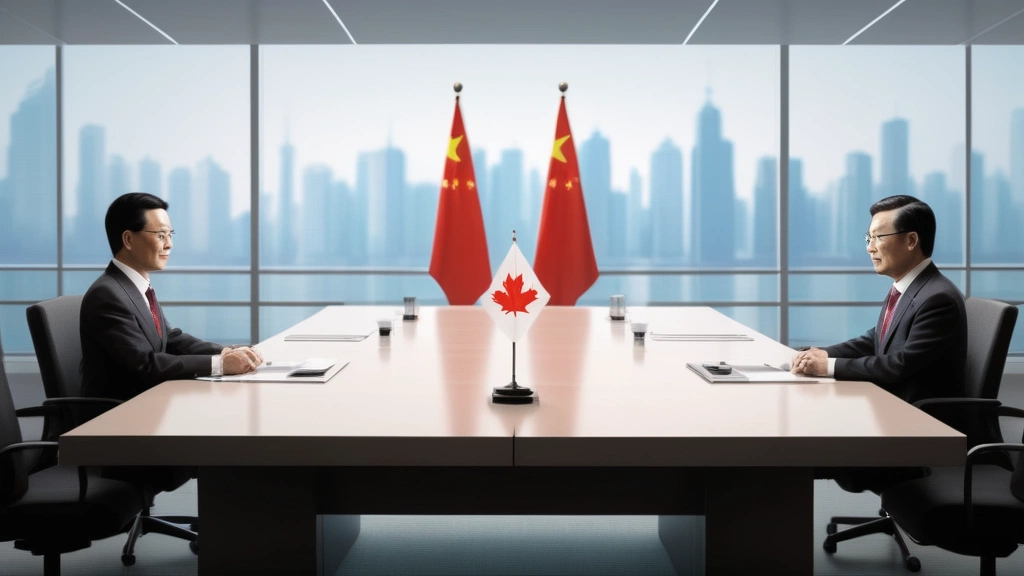
The meeting marked the second in-person encounter between Carney and Xi in 2025. Their previous meeting took place in Beijing in January, which was the first official meeting between a Canadian prime minister and a Chinese president in over eight years.
Under the newly announced arrangements, China agreed to extend tariff relief on certain Canadian products—including canola meal, lobster, crab, and peas—until at least Dec. 31, 2028. In exchange, Canada extended remission coverage to the same date for 32 additional Chinese steel and aluminum products, comprising 23 steel items and nine aluminum goods. These tariff arrangements provide relief for approximately $400 million in Canadian exports, covering frozen pork, shrimp, prawns, and other seafood.
Canada's exports to China have surged 40 per cent since the January meeting, driven by dropped tariffs on electric vehicles and some agricultural products. During that earlier visit, Carney agreed to reduce the tariff on Chinese EVs from 100 per cent to 6.1 per cent for up to 49,000 vehicles. Since March, 16,211 Chinese EVs have been imported into Canada, with about half priced at $35,000 or less. BYD has already begun selling cars in Canada, and Geely expects to begin selling EVs in the country next year.
Beyond trade, the two sides also formalized cultural and educational agreements. Canada will provide $850,000 over three years to support Canadians studying at Chinese universities. Additionally, a memorandum of understanding was signed to create dual-degree undergraduate programs between the University of Ottawa and Shanghai International Studies University. Agreements were also signed between Canadian and Chinese production companies, including one to jointly develop a documentary on China's electric vehicle industry. 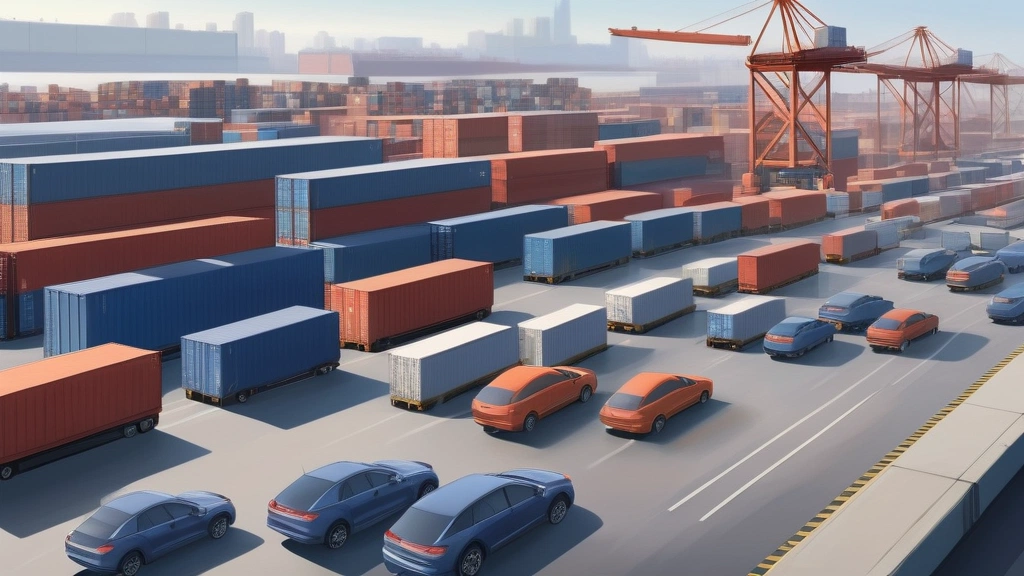
Carney stated he would raise foreign interference issues with Xi during their discussions, though a Chinese government spokesperson denied such activities took place.