Canada and China Agree to Ease Trade Restrictions Following Carney-Xi Meeting
After a bilateral meeting between Prime Minister Mark Carney and President Xi Jinping, Canada and China announced an agreement to relax trade restrictions. China will remove tariffs on roughly $400 million in Canadian exports, while Canada expands remissions coverage for 32 Chinese steel and aluminum items.
Canadian Prime Minister Mark Carney and Chinese President Xi Jinping announced a relaxation of trade restrictions following a bilateral meeting on Tuesday. The agreement outlines reciprocal concessions affecting agricultural exports, seafood, and industrial metals.
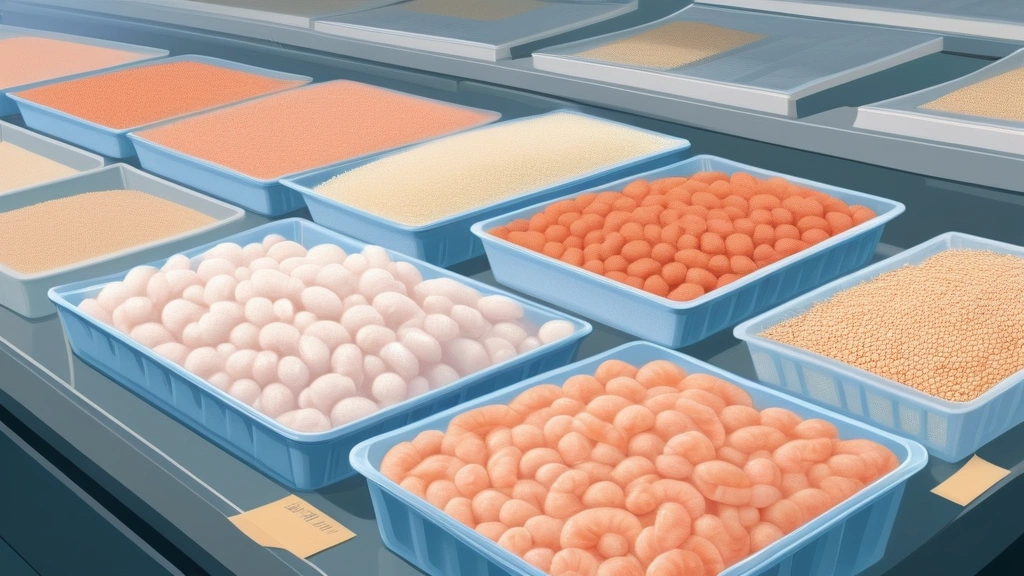
Under the deal, China agreed to remove a 25 per cent tariff on Canadian exports of frozen pork cuts, frozen cold-water shrimp, Greenland halibut, some mollusks, and sea cucumber. The removal of these tariffs represents approximately $400 million in annual Canadian export value. The agreement also includes opening market access for Canadian fava beans, chickpeas, and lentils to China. Both countries agreed to work toward an agreement on pet food and wild aquatic products by the end of the year.
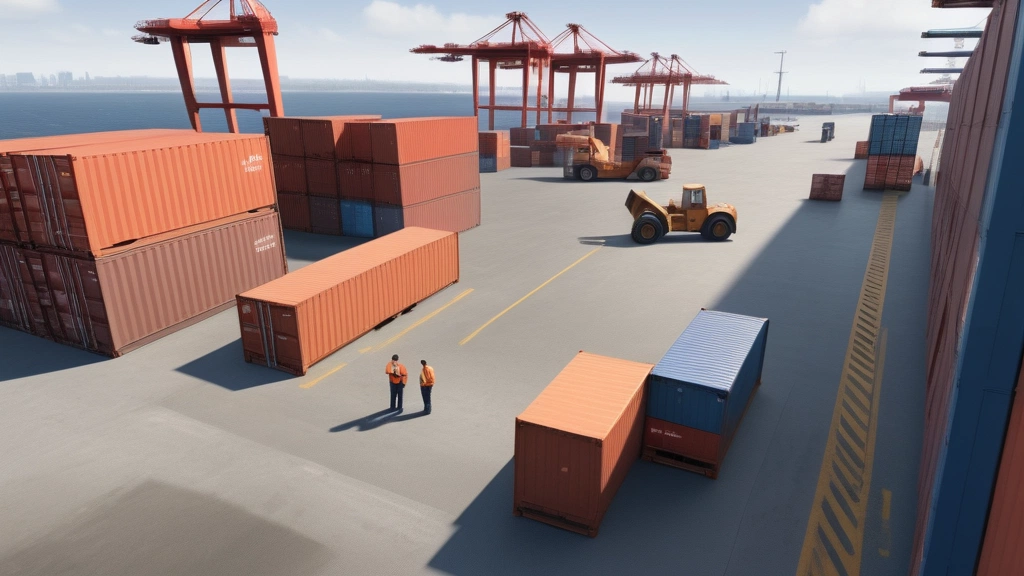
In exchange, Canada will expand remissions coverage to 32 more steel and aluminum items from China, including 23 steel items and nine aluminum goods where Canadian supply is insufficient or unavailable. Canada stopped making long beams in the early 1990s, shortly after the North American free trade agreement, meaning access to specific steel products could benefit Canada's construction sector.
Canadian restrictions on Chinese steel imports have tightened since 2024 due to warnings about 'dumping' from industry associations. Currently, the United States accounts for 36.2 per cent of Canada's steel imports, followed by South Korea (9.9 per cent) and China (5.9 per cent). Domestically, Quebec alone accounts for 60 per cent of North America’s aluminum supply.
The expanded remissions for aluminum goods may also affect the beverage industry. Around 80 per cent of Canada’s beer is packaged in aluminum cans, mostly made in the U.S. The agreement could lead to a potential increase in the competitiveness of Chinese-made aluminum cans against American-made ones in the Canadian beer industry.
The trade adjustments are part of Prime Minister Carney's strategy to diversify trade relationships amid existing U.S. tariffs on Canadian steel and aluminum.