Canada Makes Rural Community Immigration Pilot a Permanent Program
On November 9, 2026, the Government of Canada announced that the Rural Community Immigration Pilot, originally launched in January 2025, will transition into a permanent program to help rural and remote communities attract and retain skilled workers and international graduates.
On November 9, 2026, the Honourable Lena Metlege Diab, Minister of Immigration, Refugees and Citizenship, announced the transition of the Rural Community Immigration Pilot into a permanent program. The original pilot was launched in January 2025.
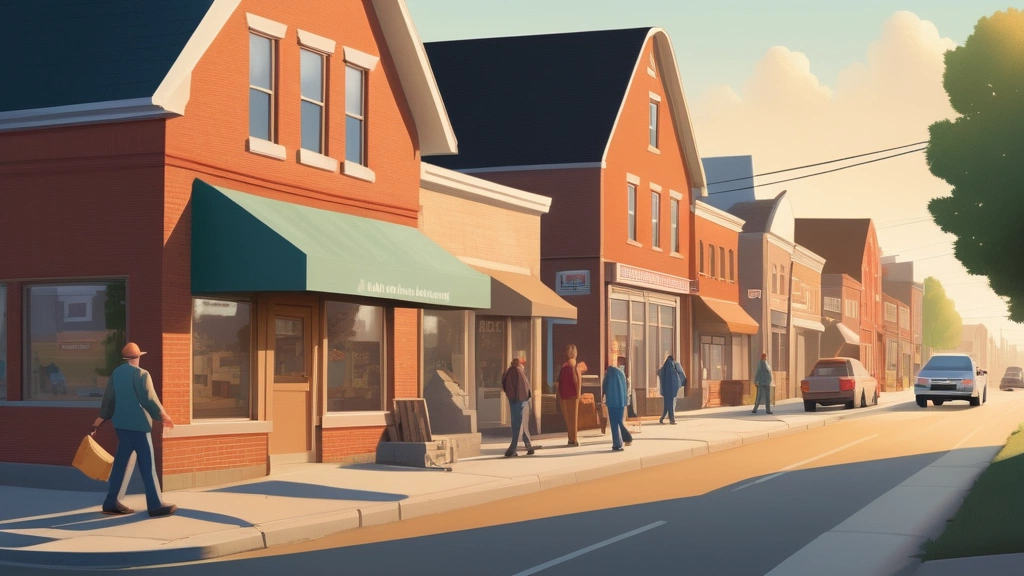
The new Rural Community Immigration Program provides a pathway to permanent residence for skilled workers and international graduates working in priority sectors within rural and smaller communities. The initiative is designed to support rural and remote areas facing demographic challenges such as population decline and an aging workforce, while addressing persistent labour shortages in specific sectors.
The program operates on an employer-community partnership model. Under this approach, participating communities identify their priority economic sectors, and employers are vetted and designated by those communities. This structure aims to align immigration with local economic needs and facilitate the attraction, integration, and retention of skilled newcomers.
To qualify as a "rural community" under the program, a location must have a population under 200,000 and score 0.20 or higher on Statistics Canada’s Index of Remoteness.
Fourteen communities that participated in the pilot are expected to continue in the permanent program. These include Pictou County (NS), North Bay (ON), Sudbury (ON), Timmins (ON), Sault Ste. Marie (ON), Thunder Bay (ON), Steinbach (MB), Altona/Rhineland (MB), Brandon (MB), Moose Jaw (SK), Claresholm (AB), West Kootenay (BC), North Okanagan Shuswap (BC), and Peace Liard (BC).