Canada Proposes Splitting Submarine Purchase Into Two Batches to Preserve Flexibility
Canadian negotiators have proposed dividing the acquisition of up to 12 Type 212CD submarines from German manufacturer TKMS into a guaranteed order of eight boats and an optional future batch of four. The strategy aims to maintain flexibility amid technological uncertainty, though it raises questions about $86 billion in promised economic investments.
Canadian negotiators have proposed breaking up the purchase of Type 212CD submarines from Germany into two batches: a guaranteed upfront buy of eight boats and a proposal to acquire another four later. 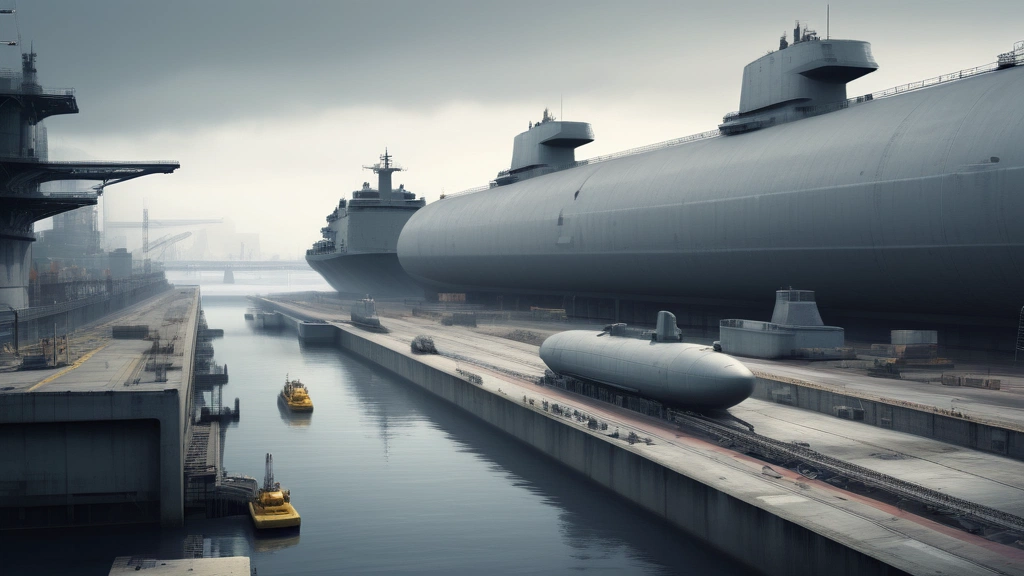
The proposal was made during meetings last week in Ottawa between federal officials led by the Defence Investment Agency and representatives of TKMS and Norwegian defence giant Kongsberg. Federal officials want to preserve flexibility for future governments because delivery will not start until the mid-2030s, and there is ongoing debate about whether crewed submarines will eventually be replaced by drone technology.
Prime Minister Mark Carney announced last July that Canada chose the TKMS proposal over Hanwha Ocean, committing to buying "up to 12 submarines" to replace the aging Victoria-Class fleet. Carney set a deadline of achieving a contract by no later than the end of 2027. The navy requires 12 boats to patrol Canada's three-ocean coastline and participate in allied missions overseas, notably in the Indo-Pacific. The purchase of 12 new submarines is estimated to cost between $20 billion and $24 billion, with full cycle costs expected to exceed $100 billion over two decades.
A spokesperson for TKMS stated negotiations remain on track but declined to comment on specifics due to ongoing discussions. TKMS is currently discussing with its 400 suppliers how a potentially smaller order would affect them.

German government officials are studying the impact of a reduced order on the $86 billion in economic investment in Canada promised last summer. Those promised economic benefits included partnering with Alberta on carbon capture, investing in the Port of Churchill for LNG and critical minerals export, building a heavy torpedo factory, and joint hypersonic missile development. Defence analyst Dave Perry noted that breaking up the order could reduce the scale of promised economic benefits unless the full commitment is made at the beginning.
Thomas Röwekamp, head of the German Parliament's defence committee, expressed confidence that Canada, Germany, and Norway would resolve differences. He noted that both countries gave up production slots so Canada could receive four boats by 2036.