Canada's Emissions Rise in 2025, Threatening 2030 Climate Targets
A Canadian Climate Institute report shows Canada emitted approximately 691 megatonnes of CO2 equivalent in 2025, a 1 per cent increase from 2024. With emissions only 9.5 per cent below 2005 levels, the country faces a 200-megatonne gap to meet its 2030 reduction targets.
Canada emitted approximately 691 megatonnes of carbon-dioxide equivalent in 2025, representing a 1 per cent increase over 2024 levels, according to a report by the Canadian Climate Institute. The 2025 emission levels sit about 9.5 per cent below the 2005 baseline, leaving the country roughly 200 megatonnes short of its 40 to 45 per cent reduction target for 2030 and placing its net-zero goals for 2050 at risk.

The building sector and power generation were the largest contributors to the 2025 greenhouse gas increase, rising 6 per cent and 5 per cent respectively. In contrast, oil and gas emissions remained essentially flat compared to previous years. Since 2005, Canada's electricity generation has risen by only 3 per cent, while non-power natural gas use has climbed by 48 per cent over the same period.
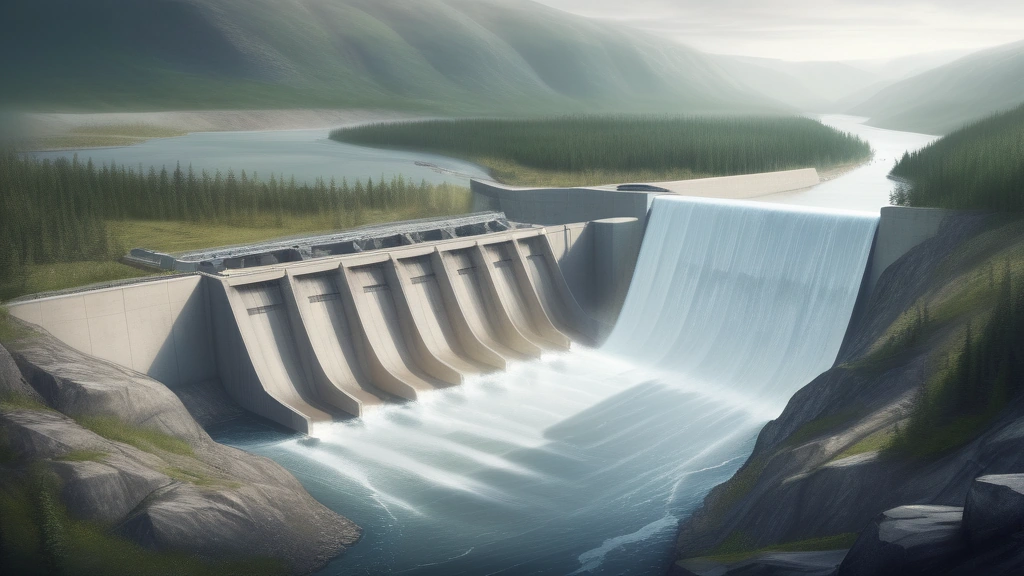
The green share of Canada's electrical production fell to 80 per cent in 2025, down from 84 per cent in 2024. This decline was driven by droughts affecting hydroelectric production and offline periods for nuclear plant refurbishments. To support clean energy infrastructure, Canada recently announced a $10-billion investment in upgrading the Churchill Falls hydroelectric plant in Labrador.
Recent federal and provincial policy shifts may further hinder progress toward emission reductions. In November 2025, Prime Minister Mark Carney and Alberta Premier Danielle Smith announced a memorandum of understanding regarding a proposed one-million-barrel-a-day pipeline to the Pacific Coast. Additionally, Bill C-39, the Building Canada Strong Act, proposes reducing consultation and approval time frames for major projects to one year.
The report also highlights that changes to the industrial carbon pricing system have not resolved underlying issues such as an oversupply of carbon credits and low demand, which reduces incentives for industries to cut emissions. Experts suggest that accelerating clean electrification is essential for Canada to get back on track with its climate commitments.