U.S. Warns It Will 'Up the Ante' as Defence Spending Dispute With Canada Intensifies
A senior U.S. defense official warned that Washington is prepared to take more significant measures if Canada fails to convert its defence spending pledges into tangible investments, escalating a diplomatic dispute marked by a classified Pentagon memo and public criticism of Canadian military shortfalls.
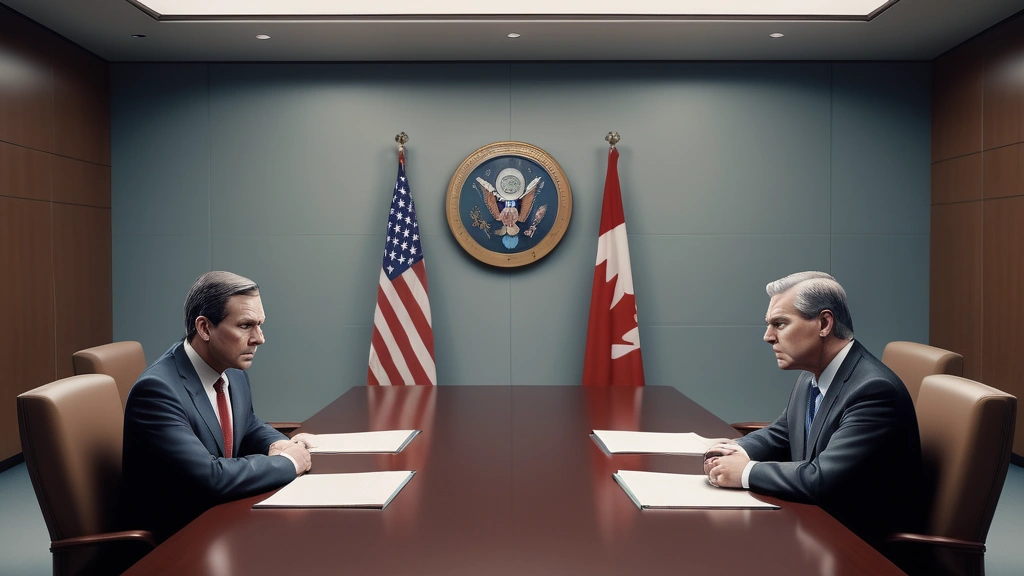
A diplomatic dispute over defence spending between the United States and Canada has escalated after a senior U.S. Department of Defense official warned that Washington is prepared to "up the ante" if Ottawa does not turn its pledges into concrete investments. The official stated that if Canada cannot credibly translate its commitments into important North American defense investments, the U.S. will consider more significant mitigation measures.
The warning follows a classified memo issued last week by U.S. Defence Secretary Pete Hegseth, which imposed restrictions on military co-operation with Canada regarding issues such as think-tanks and socializing. Pentagon spokesperson Sean Parnell confirmed that the department is taking steps to ensure engagements with Canada advance tangible U.S. defense objectives.
On Monday, the Pentagon released a fact sheet criticizing Canada's defence spending, stating that its "defense shortfalls speak for themselves." The U.S. accused Canada of lacking a concrete plan to reach NATO's five per cent defence target and asserted that the country lacks the scale or military capacity to maintain a global posture. The senior U.S. official further claimed that Canada is "not prioritizing the hard capability investments necessary to defend itself" and criticized its middle power strategy as political posturing.
Canadian officials have pushed back against the U.S. messaging. Defence Minister David McGuinty said on Tuesday that Canada was moving forward "business as usual" after the memo surfaced, noting that Canadian officials had not seen the document. McGuinty expressed confusion over the Pentagon's fact sheet and outlined Canada's current strategy, which includes rebuilding 33 bases, improving recruitment, and fixing cadet challenges.
Stephen Fuhr, Canada's Secretary of State for Defence Procurement, reiterated that Canada is a sovereign country making its own decisions. While acknowledging readiness deficits, Fuhr highlighted ongoing progress and suggested that Hegseth should "get a current update on what Canada’s up to."

Christian Leuprecht, a professor at the Royal Military College of Canada, assessed the situation by stating that Canada has very little credibility left in Washington and that the U.S. is looking for action.