Canada's Submarine Replacement Plan Promises Major Opportunities for Halifax
Canada plans to replace its four aging Victoria-class submarines with up to 12 new diesel-electric vessels from Germany's TKMS, potentially the largest defence procurement in Canadian history. Six submarines are expected to be based in Halifax, driving demand for specialized maintenance facilities and technical expertise across Nova Scotia's defence sector.
Canada is preparing to replace the Royal Canadian Navy’s four aging Victoria-class submarines with a fleet of up to 12 new vessels. The Canadian Patrol Submarine Project could become the largest defence procurement in Canadian history, carrying significant economic and industrial implications for Halifax and the broader Maritimes region.
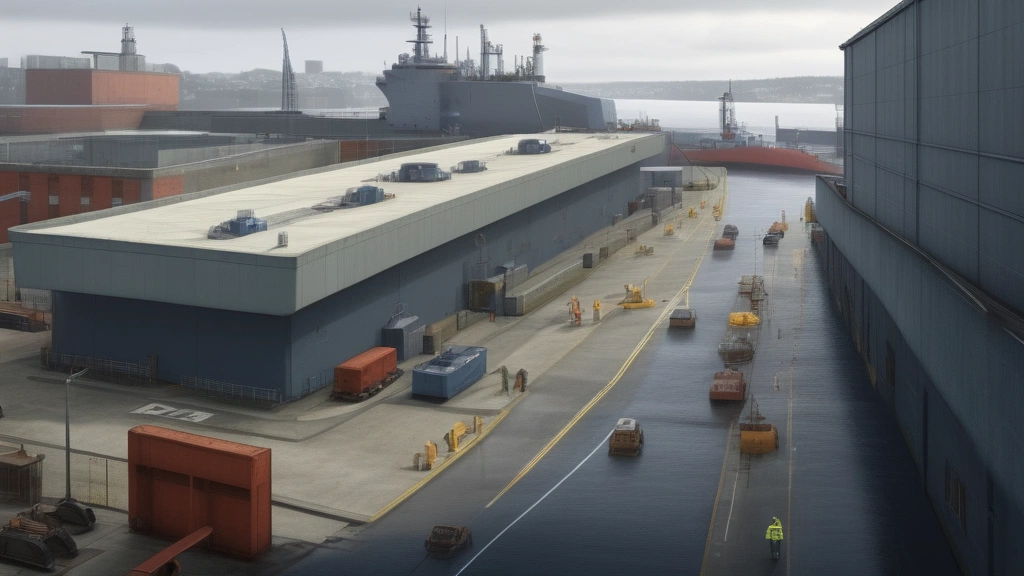
Earlier this summer, Germany’s ThyssenKrupp Marine Systems (TKMS) was selected as Canada’s preferred supplier for the project. Negotiations are currently underway, with a contract signing targeted for 2027. Both the current Victoria-class fleet and the future TKMS submarines use conventional diesel-electric propulsion rather than nuclear power. However, the new TKMS design emphasizes stealth and features different warfare systems, command-and-control capabilities, weapons, countermeasures, and a higher degree of digitalization compared to the existing Victoria class.
Six of the new submarines are expected to be based in Halifax. This deployment will create a need for dedicated maintenance facilities, specialized technical expertise, and a robust domestic supply chain, generating demand for skilled tradespeople, engineers, and technicians over the coming decades.
Babcock Canada Inc. has served as the submarine sustainment provider for the past 18 years. Martin MacCorquodale, the senior director of business growth at Babcock Canada, who has been with the company for 14 years, attended DEFSEC Atlantic, an annual aerospace, defence, and security conference held in Halifax. Over its tenure, Babcock Canada has helped develop domestic capacity and supply chains for submarine sustainment, moving away from reliance on overseas suppliers that were originally used for the UK-designed Victoria-class fleet. Transitioning from a fleet of four to twelve technologically advanced submarines presents both a challenge and an opportunity for the company and the region.
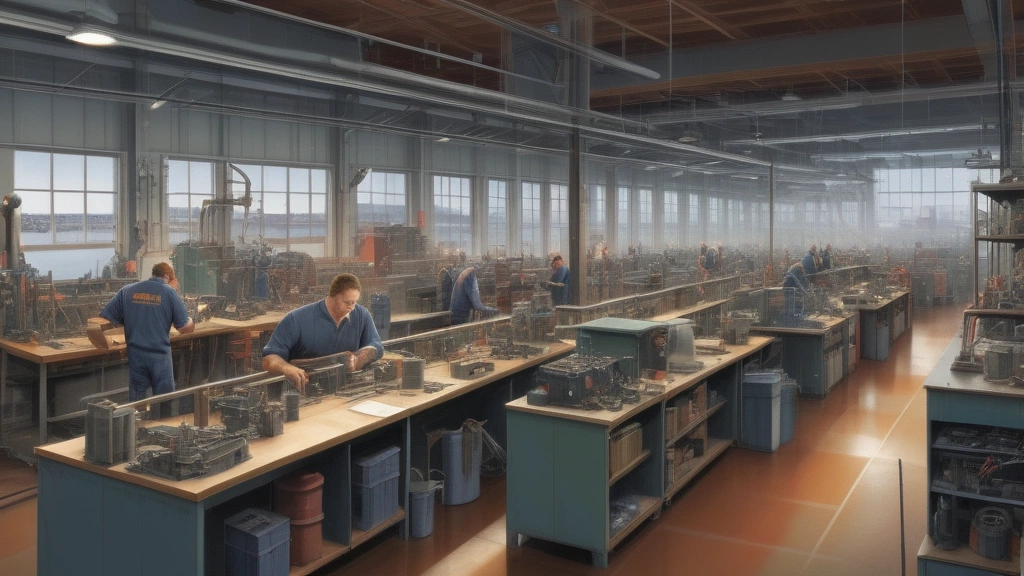
Nova Scotia already hosts a substantial defence and aerospace sector. Across the province, more than 130 companies operate in these industries, supporting more than 17,000 jobs and contributing an estimated $2.7 billion to the provincial economy. This existing infrastructure positions the region to support the generational shift in naval capability, though specific sustainment arrangements for the new fleet remain under negotiation.