Canada's Auto Sector Shifts Away From U.S. Imports Amid Trade Tensions
A new report by DesRosiers Automotive Consultants shows that the share of Canadian light vehicle imports from the United States fell to 40 per cent in 2026 from 49.1 per cent in 2024, as manufacturers pivot toward Mexico, Japan, South Korea, and Europe to mitigate tariff impacts.
Light vehicle imports from the United States accounted for 40 per cent of Canada’s total light vehicle imports by dollar value so far in 2026, down from 49.1 per cent in 2024, according to a new report by DesRosiers Automotive Consultants. The data highlights a broad diversification of sourcing across global markets as the auto sector navigates ongoing trade tensions.
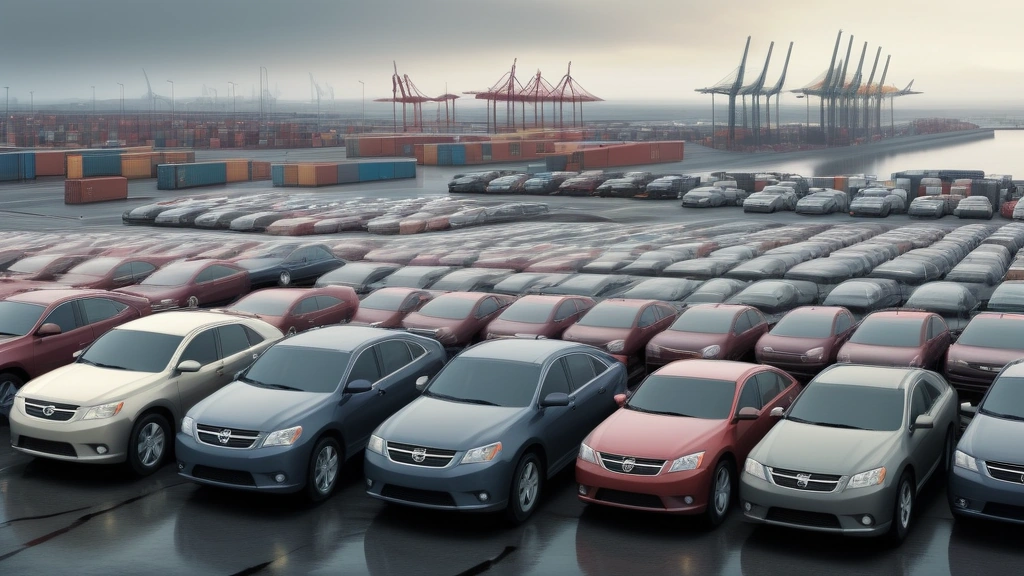
While the American share contracted, several other major markets gained ground. Imports from Mexico increased from 16.7 per cent in 2024 to 20.5 per cent in 2026. Japan’s share rose from 10.7 per cent to 12.9 per cent over the same period, while South Korea climbed from 10.4 per cent to 12.5 per cent. Combined European market imports also grew, moving from 9.8 per cent in 2024 to 11.1 per cent in 2026. China was the only major market whose share of Canadian light vehicle imports declined, falling from 2.9 per cent in 2024 to 2.6 per cent in 2026.
The shift comes against a backdrop of escalating cross-border tariffs. Vehicles made in Canada are currently subject to a 25 per cent U.S. tariff, minus their American content, though parts compliant with the Canada-United States-Mexico Agreement (CUSMA) remain exempt. In response, Canada maintains 25 per cent import duties on non-CUSMA compliant U.S. autos but allows a tariff-free quota based on automotive assembly levels within the country. In August, President Donald Trump threatened to increase tariffs on all vehicles, auto parts, and steel from Canada to 50 per cent effective January 1.

Industry experts say these policies have accelerated supply chain adjustments. DesRosiers managing partner Andrew King stated that manufacturers affected by tariffs have moved rapidly to seek other sourcing options to provide vehicles at the best possible price. Automotive analyst Daniel Ross noted that manufacturers are fighting to keep prices from climbing due to the trade policy and war.
On the diplomatic front, Prime Minister Mark Carney stated that trade talks with the U.S. are making progress but Ottawa will not accept a deal that compromises the viability of the auto sector.