Canada to overhaul labour code as MPs return for fall sitting
The Liberal government plans to amend the Canada Labour Code, specifically Section 107, to facilitate collective agreements rather than prevent strikes. This move follows recent interventions in Air Canada disputes and comes alongside the 'Building Canada Strong Act' aimed at expediting federal project approvals.
As Members of Parliament return to Parliament Hill for the fall sitting, the Canadian Liberal government led by Prime Minister Mark Carney is expected to introduce significant changes to the Canada Labour Code. One of the first bills presented will alter the government’s power to intervene in strikes and lockouts, specifically targeting Section 107 of the code.
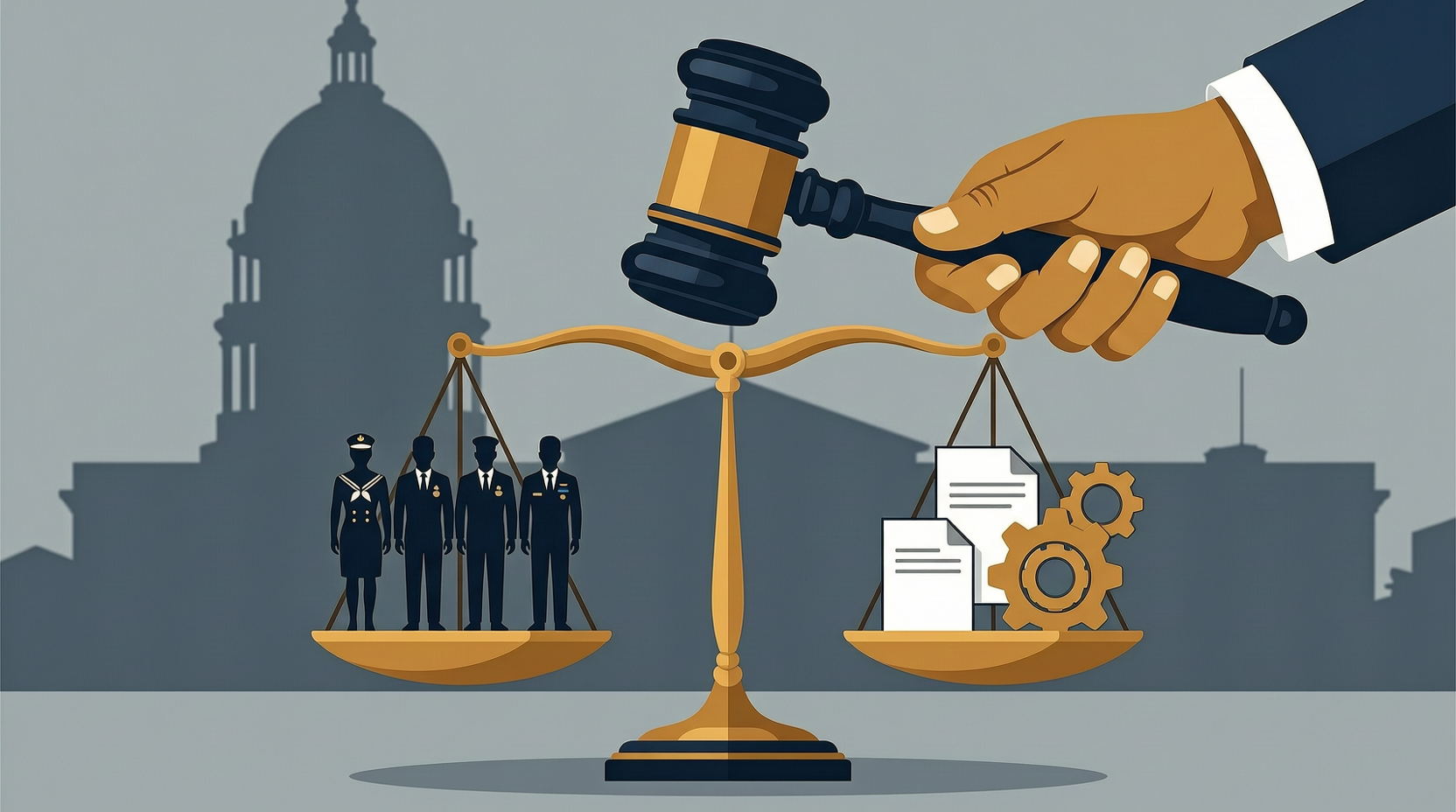
Government House Leader Steven MacKinnon stated that the focus of these amendments is not on preventing the right to strike but on making it easier to achieve collective agreements. The proposed changes follow a controversial period where Section 107 was used to stop or curb work stoppages in key industries. Last summer, Jobs Minister Patty Hajdu invoked this section to order binding arbitration after Air Canada flight attendants went on strike. However, the flight attendants ignored the order and remained on strike until a deal was reached days later.
The potential reforms have drawn mixed reactions from stakeholders. Bea Bruske, president of the Canadian Labour Congress, argued that any new power to prevent or shut down a legal strike would weaken workers' rights. Conversely, Derrick Hynes, CEO of Federally Regulated Employers-Transportation and Communications, called for changes including a neutral third-party special mediator to avoid catastrophic labour disruptions.
In addition to labour reforms, ministers Steven MacKinnon, Patty Hajdu, and Dominic LeBlanc are scheduled to hold a joint media conference on Monday regarding legislation to "build Canada strong." Prime Minister Carney has announced that the 'Building Canada Strong Act' will speed up the approval of new federal projects under the slogan "One project, one review, one year." It remains unclear if the labour code changes will be included in this act, though MacKinnon hinted that improvements were on the agenda.

Beyond legislative priorities, the government faces ongoing political challenges. Conservative Leader Pierre Poilievre has called on Prime Minister Carney to release details of the failed trade deal with the U.S. that prompted the departure from negotiations. Furthermore, six parliamentary seats are currently vacant due to resignations by MPs Cathay Wagantall, Shaun Chen, Larry Brock, Steven Guilbeault, Alexandre Boulerice, and Simon-Pierre Savard-Tremblay. Federal byelections for Quebec seats vacated between June and August are unlikely to take place before the Oct. 5 provincial election.
Other legislative items remain pending, including Bill C-22, the lawful access bill, which is before the Senate, and a bill regulating AI chatbots and restricting social media for kids under 16, which is before the House. The Carney government's second budget is also expected within the next few months, with plans to balance the operating budget next year, 12 months ahead of schedule.