Carney says Canada exploring European and Asian auto partnerships as U.S. tariff threats loom
Canadian Prime Minister Mark Carney said Ottawa is considering alternative trade partnerships in Europe and Asia, including China, to support its auto sector if negotiations with the United States fail. The remarks come amid threatened U.S. tariffs of up to 50% on Canadian vehicles by January and ahead of a planned meeting between Carney and Chinese President Xi Jinping.
Canadian Prime Minister Mark Carney said his government is examining "other options" in Europe and Asia to support the country's auto sector, even as trade negotiations with the United States remain a priority. Carney made the remarks while taking questions from reporters at the Francophonie summit in Phnom Penh, Cambodia.
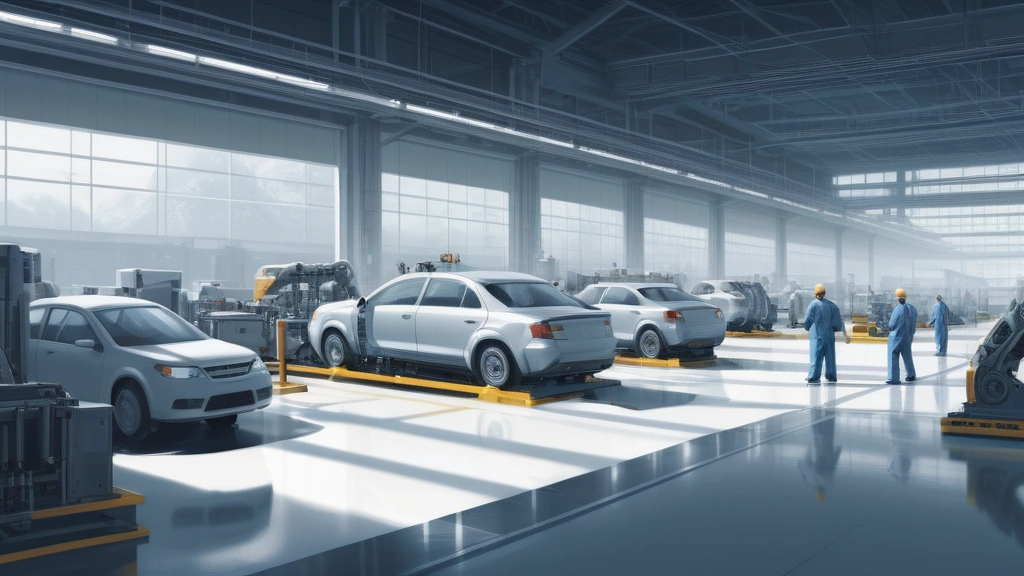
Washington has threatened to impose tariffs of up to 50 per cent on Canadian automobiles by January. Carney said he had spoken at length with U.S. President Donald Trump and senior American officials, noting that the two countries were making progress toward a possible trade agreement, although differences remained.
Should those talks falter, Ottawa is looking to diversify. Earlier this year, Carney signed an agreement with China that reduced Canada's tariff on Chinese electric vehicles from 100 per cent to 6.1 per cent. Under the deal, Canada initially allows up to 49,000 Chinese EVs annually, with the cap set to increase over time. In exchange, China agreed to lower tariffs on Canadian agricultural products, including canola.
Carney emphasized that any further Chinese investment in Canada's auto industry would have to involve substantial manufacturing rather than simply assembling imported parts. He said such investments must require proper labor standards and domestic supply chains.
The prime minister is expected to meet with Chinese President Xi Jinping this week in Shenzhen, China, where auto manufacturing is likely to be discussed.
The pivot toward China has drawn criticism domestically. Ontario Premier Doug Ford warned that the deal could threaten Canadian jobs and jeopardize access to the U.S. market. The concerns arise amid broader instability in the integrated North American auto sector; Canada recently threatened to sue automaker Stellantis after the company shifted planned Jeep Compass production from Brampton, Ontario, to Illinois.