Carney and Xi Strike New Trade Deal at APEC Summit in Shenzhen
Canadian Prime Minister Mark Carney and Chinese President Xi Jinping agreed to a new trade deal on the sidelines of the APEC summit in Shenzhen. China will drop tariffs on Canadian pork and seafood and extend pauses on other agricultural exports, while Canada expands remission measures for Chinese metals and allows tens of thousands of Chinese electric vehicles into its market annually. The agreement has drawn criticism over national security concerns and potential backlash from the United States.
Canadian Prime Minister Mark Carney met with Chinese President Xi Jinping on the sidelines of the APEC summit in Shenzhen, China, to secure a new bilateral trade agreement. 
Under the terms of the deal, China agreed to drop "anti-discriminatory tariffs" worth up to 25 per cent on approximately $400 million worth of Canadian pork and seafood products. Xi also extended a tariff pause originally secured by Carney in January covering Canadian canola meal, peas, lobster, and crab.
In return, Canada will extend and expand remission measures for Chinese steel and aluminum imports that cannot be sourced in sufficient quantities domestically. Carney will continue to allow tens of thousands of Chinese electric vehicles to enter Canada annually at a reduced tariff rate, maintaining a current quota of 49,000. Additionally, automotive conglomerate Geely has secured Transport Canada permissions to import its foreign-made cars into the country.
The agreement follows a period of significant growth in bilateral commerce. According to Statistics Canada data, Canadian trade with China hit a record $12.7 billion last quarter, and the dollar value of Canadian products sent to China has increased by 60 per cent over the last two years.
Despite these economic gains, the deal has faced sharp criticism from former diplomats, U.S. officials, and domestic industry leaders. Former diplomat Michael Kovrig expressed concern that the deal readout did not address national security, transnational repression, human rights issues, or Canadian detainees in China. 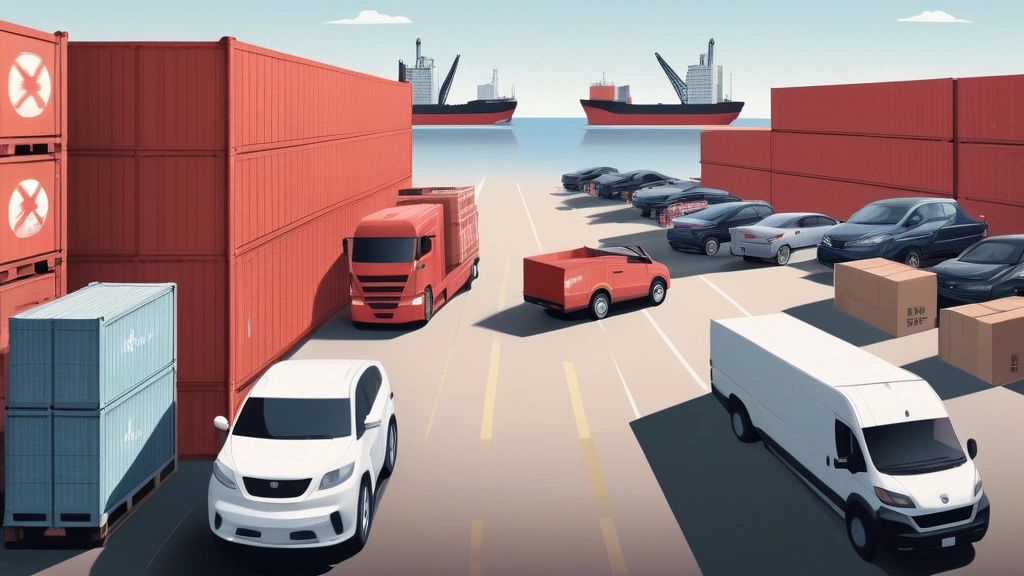
Trump trade adviser Peter Navarro criticized Carney's dealings with China as "offensive in the extreme," stating, "China is going to eat Canada alive."
Domestically, Flavio Volpe, president of the Automotive Parts Manufacturers' Association, warned that allowing Chinese firms to ship "knock-down" car kits would use no Canadian parts and frustrate the U.S.