Carney Says Canada May Turn to Chinese Automakers if U.S. Trade Talks Fail
Canadian Prime Minister Mark Carney warned that Canada could seek investment from Chinese automakers if trade negotiations with the United States fail to preserve North America's integrated auto industry, ahead of a planned meeting with Chinese President Xi Jinping in Shenzhen.
Prime Minister Mark Carney said Canada could turn to Chinese automakers if trade negotiations with U.S. President Donald Trump fail to preserve an integrated North American auto industry. Carney made the remarks while in Cambodia, ahead of a planned meeting this week with Chinese President Xi Jinping in Shenzhen, China, where auto manufacturing is expected to be on the agenda.
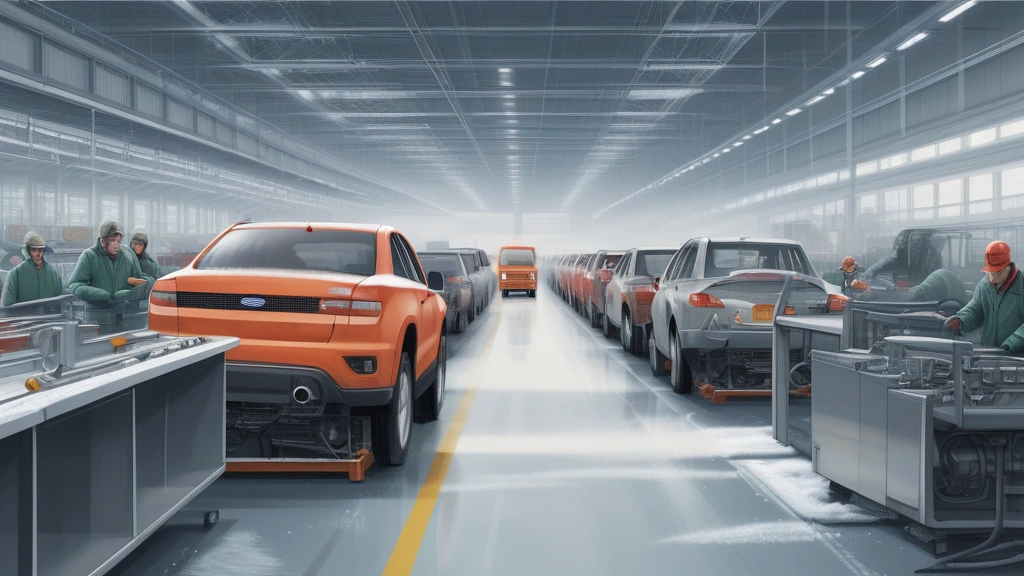
Carney described the potential pivot toward Chinese investment as "action, reaction" rather than leverage in negotiations with the United States. He emphasized that any Chinese investment would require substantial manufacturing in Canada, proper labour standards, and domestic supply chains, rather than simply assembling imported parts.
The comments follow a January agreement between Canada and China that reduced Ottawa's 100 per cent tariff on Chinese electric vehicles to 6.1 per cent, initially allowing up to 49,000 vehicles annually. In exchange for the EV tariff reduction, China agreed to lower tariffs on Canadian agricultural products, including canola.
Ontario Premier Doug Ford has criticized the deal, warning that allowing Chinese electric vehicles into Canada could threaten Canadian jobs and jeopardize access to the U.S. market.
U.S. trade actions have recently disrupted cross-border production across the United States, Canada, and Mexico. Canada threatened to sue Stellantis after the automaker shifted planned Jeep Compass production from Brampton, Ont., to Illinois and agreed to sell its idled Canadian assembly plant.