Celtic Nations Leaders to Sign Independence Pact at Cardiff Summit
First ministers and party leaders from Wales, Scotland, and Northern Ireland are set to sign a memorandum of understanding in Cardiff on Monday, affirming their nations' right to seek independence from the UK. The event highlights growing political momentum for separatist parties across the Celtic nations.
Leaders from Wales, Scotland, and Northern Ireland are scheduled to gather in Cardiff on Monday to sign a memorandum of understanding that affirms their respective nations' right to seek independence from the United Kingdom. The summit brings together Plaid Cymru leader Rhun ap Iorwerth, Scottish National Party (SNP) leader John Swinney, and Sinn Féin vice-president Michelle O’Neill. They will be joined by Mary Lou McDonald, the president of Sinn Féin and leader of the opposition in Ireland.
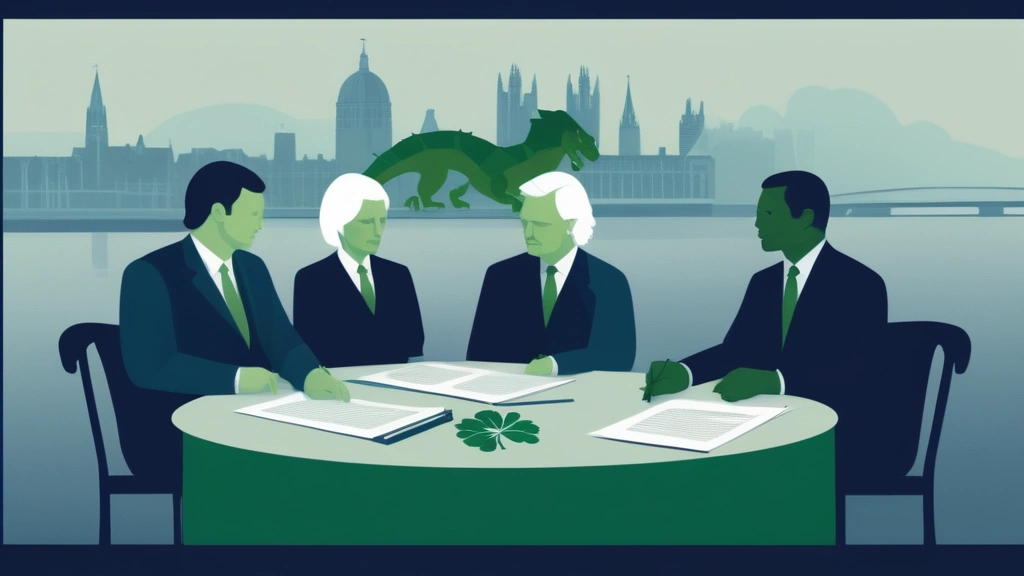
The signing ceremony marks a significant moment in constitutional politics, as the leaders meet in their capacity as party representatives rather than government officials. This distinction comes amid notable political shifts, particularly following Plaid Cymru’s victory in the May Senedd elections. That result means that for the first time, separatist parties are in government in all three nations.
The memorandum calls on Westminster to prepare for constitutional change. However, the initiative faces resistance from the UK central government. Prime Minister Andy Burnham recently wrote to John Swinney, reiterating that a repeat of the 2014 Scottish independence referendum remains "off limits." This stance contrasts with Burnham's broader support for regional devolution within England, creating a complex dynamic between London and the devolved administrations.
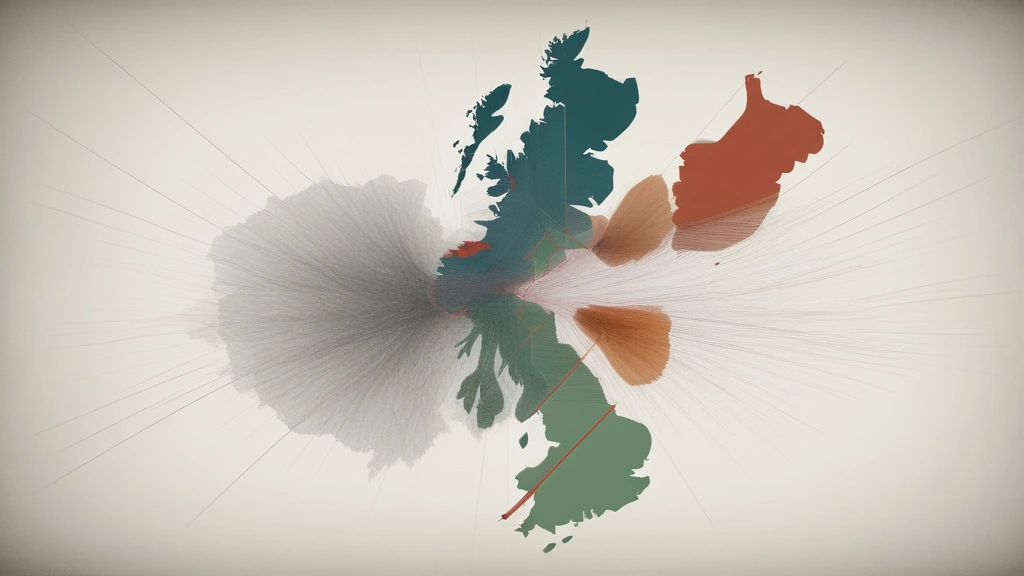
Public opinion data suggests varying levels of support for independence across the regions. Latest polling indicates that 47% of Scottish voters would opt for independence if a referendum were held tomorrow, while support stands at 36% in Northern Ireland and 32% in Wales. Support for independence in Scotland has hovered between 45% and 50% since 2014.
The summit also occurs against a backdrop of international commentary. US President Donald Trump, during a weekend visit to Ireland, stated he would "love to see" a united Ireland. These remarks have drawn diplomatic backlash from the UK government and unionist members of the Northern Ireland Executive, who view such comments as conflicting with official positions on sovereignty.