US Proposes Section 301 Tariffs on 14 Economies Over 'Excess Capacity,' Drawing Protests from China, Japan, and Singapore
On November 25, 2026, the US Trade Representative announced Section 301 investigation results and proposed new tariffs on 14 economies, including China, Japan, and Singapore, citing excess manufacturing capacity. The measures aim to reinstate tariffs following a Supreme Court ruling in February that struck down previous Trump administration tariffs. China, Japan, and Singapore have strongly opposed the move.
On November 25, 2026 (US Eastern Time), the Office of the United States Trade Representative announced the results of its Section 301 investigation into "excess capacity" and proposed new tariffs targeting 14 economies, including China, Japan, Singapore, Malaysia, and Thailand. The targeted nations represent roughly half of the global economy. The measures are intended to reinstate tariffs following a Supreme Court ruling in February 2026 that struck down previous Trump administration tariffs.
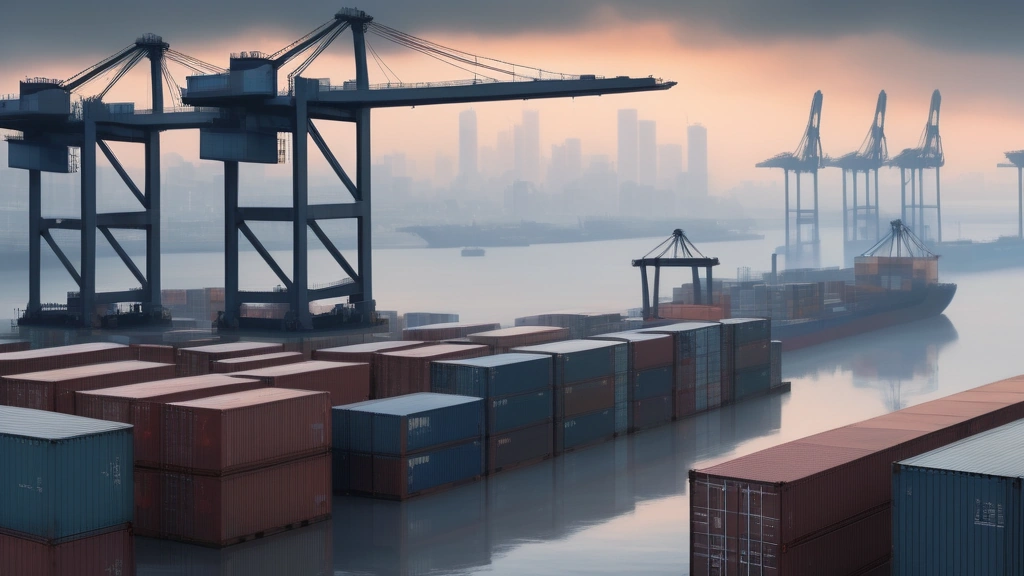
Under the new proposal, China faces a 20 percent tariff. Chinese Foreign Ministry spokesperson Guo Jiakun stated that the concept of "overcapacity" is a false premise and that tariff wars serve no one's interests. Separately, Chinese Ministry of Commerce spokesperson He Yadong condemned the US action as typical unilateralism that violates World Trade Organization rules. Chinese officials warned that the measures pose a systematic risk to world economic growth and could disrupt global supply chains and industrial cooperation.
Other affected nations also protested the tariffs. Japan faces new US tariffs of up to 15 percent and has lodged a protest with Washington, denying any nonmarket policies or structural excess capacity. Singapore faces a 20 percent tariff rate and expressed disappointment, stating through its Ministry of Energy, Trade and Industry that its economic policies do not subsidize manufacturing for export. Thailand faces capped tariffs at 18 percent, which the government described as more favorable than expected.
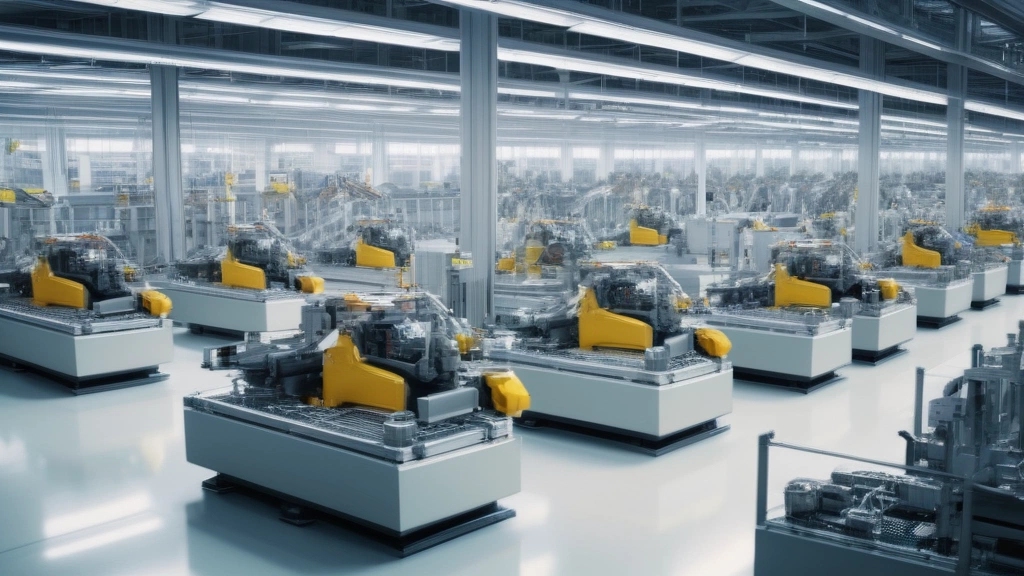
Analysts from Capital Economics suggest the new tariffs essentially replace earlier announced tariffs related to forced labor allegations rather than adding to them. The potential impacts include an increase in prices and core goods inflation into next year, as well as diplomatic protests from multiple Asian trading partners.
The announcement comes as the US and China have extended their trade truce by two months, with an expiration date set for January 10, 2027. The two countries previously agreed to US$60 billion worth of reciprocal tariff cuts.