Canada's Auto Industry Warns Against Chinese 'Kit Cars' Following Carney-Xi Trade Talks
After Prime Minister Mark Carney met with Chinese President Xi Jinping to discuss trade, Canadian auto leaders are raising alarms that potential deals could allow Chinese knock-down kit vehicles into the market, threatening domestic manufacturing jobs. While Carney insists any agreement must include significant value added in Canada, experts point to failed localization efforts in Thailand and recent job losses in Europe as cautionary tales.
Prime Minister Mark Carney recently met with Chinese President Xi Jinping to discuss intensifying trade relationships between the two countries. 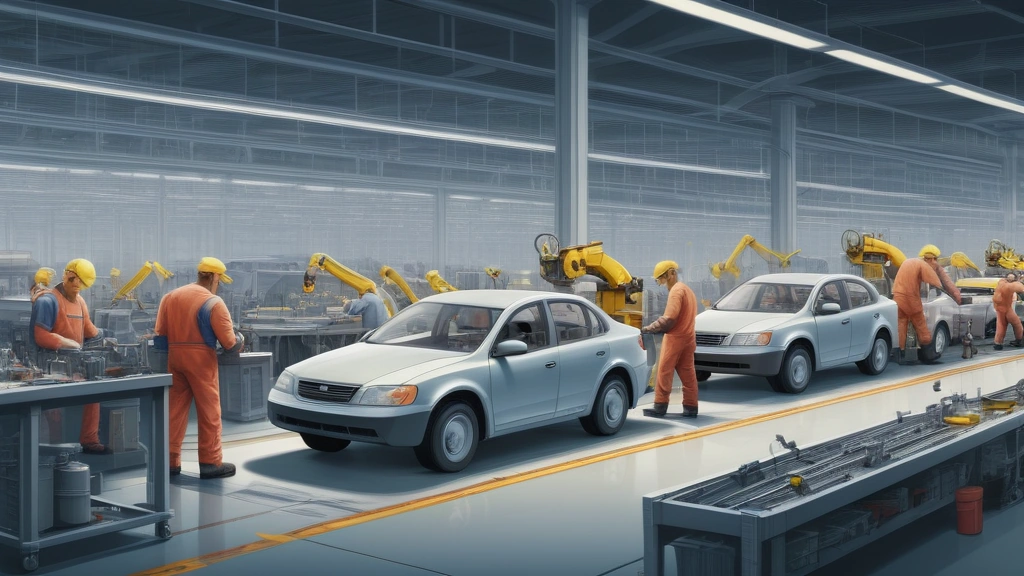 The talks have prompted urgent warnings from Canada’s automotive sector over the potential entry of Chinese "kit cars"—also known as knock-down kits—into the domestic market.
A kit car consists of vehicle parts manufactured in China, packed in boxes, shipped overseas, and assembled locally. Brian Kingston, president and CEO of the Canadian Vehicle Manufacturers’ Association, warned that this model would employ significantly fewer workers than traditional vehicle manufacturing. The stakes for the Canadian economy are high: the country's auto sector directly employs 125,000 people, indirectly supports 427,000 jobs, and contributed $16.8 billion to Canada’s GDP in 2024.
Carney has stated that any manufacturing deal with China would require "significant value added" within Canada and that he would not accept agreements involving only final assembly. He also linked U.S. tariffs against Canada’s auto sector and growing closeness with Beijing on trade as connected issues.
However, industry observers remain skeptical about the feasibility of deep local integration. Elizabeth Donkervoort noted there is no public evidence of Chinese companies successfully setting up substantial local supply chains outside their own borders. Forcing Chinese automakers to build domestic supply chains would likely cause them to lose their price advantage. Thailand serves as a cautionary example; the country attempted to force Chinese companies to build local supply chains but failed to achieve the same level of localization seen with Japanese and South Korean automakers.
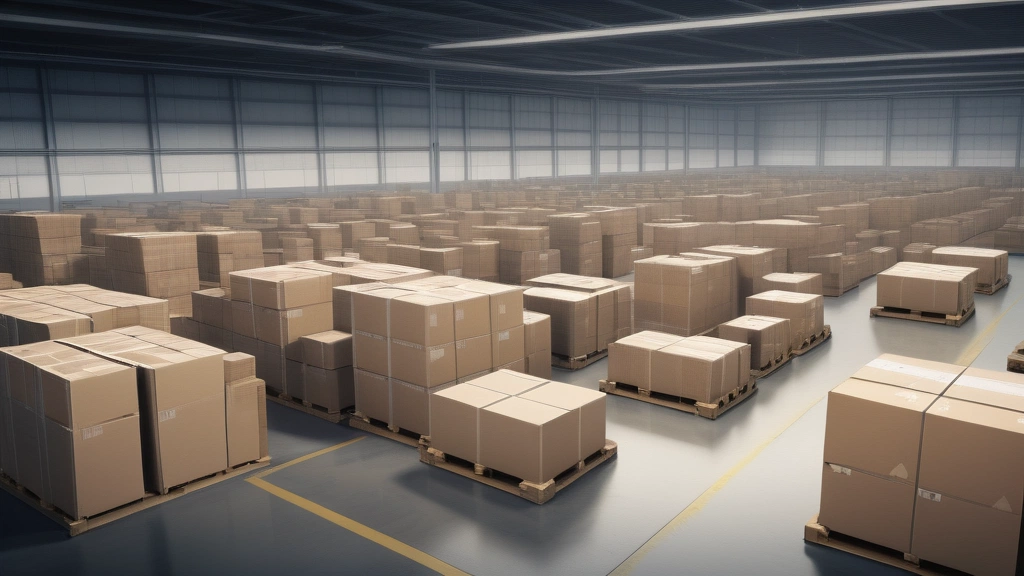 The Canadian Vehicle Manufacturers’ Association argues that allowing such imports could destroy Canada's manufacturing base, pointing to recent labor disruptions abroad as a precedent. Over the past two years, Europe has seen 104,000 automotive sector job losses, including more than 40,000 jobs shed in Germany in the past six months alone. Industry leaders warn that scaled-back assembly operations tied to knock-down kits would similarly reduce domestic employment compared to full manufacturing.