U.S., Denmark, and Greenland Reach Security Agreement Amid Arctic Tensions
The United States, Denmark, and Greenland have finalized a security deal granting Washington permanent control over island security. While NATO and allies welcome the pact as stabilizing, key details remain undisclosed, and parliamentary ratification is still required.
The United States, Denmark, and Greenland have reached a significant security agreement following months of diplomatic tension sparked by President Donald Trump’s threats to seize the Arctic island. The deal, which is expected to be signed during the United Nations General Assembly next week, grants the U.S. "permanent control" over security in Greenland and prohibits adversaries from establishing military bases or making sensitive investments without Washington's approval.
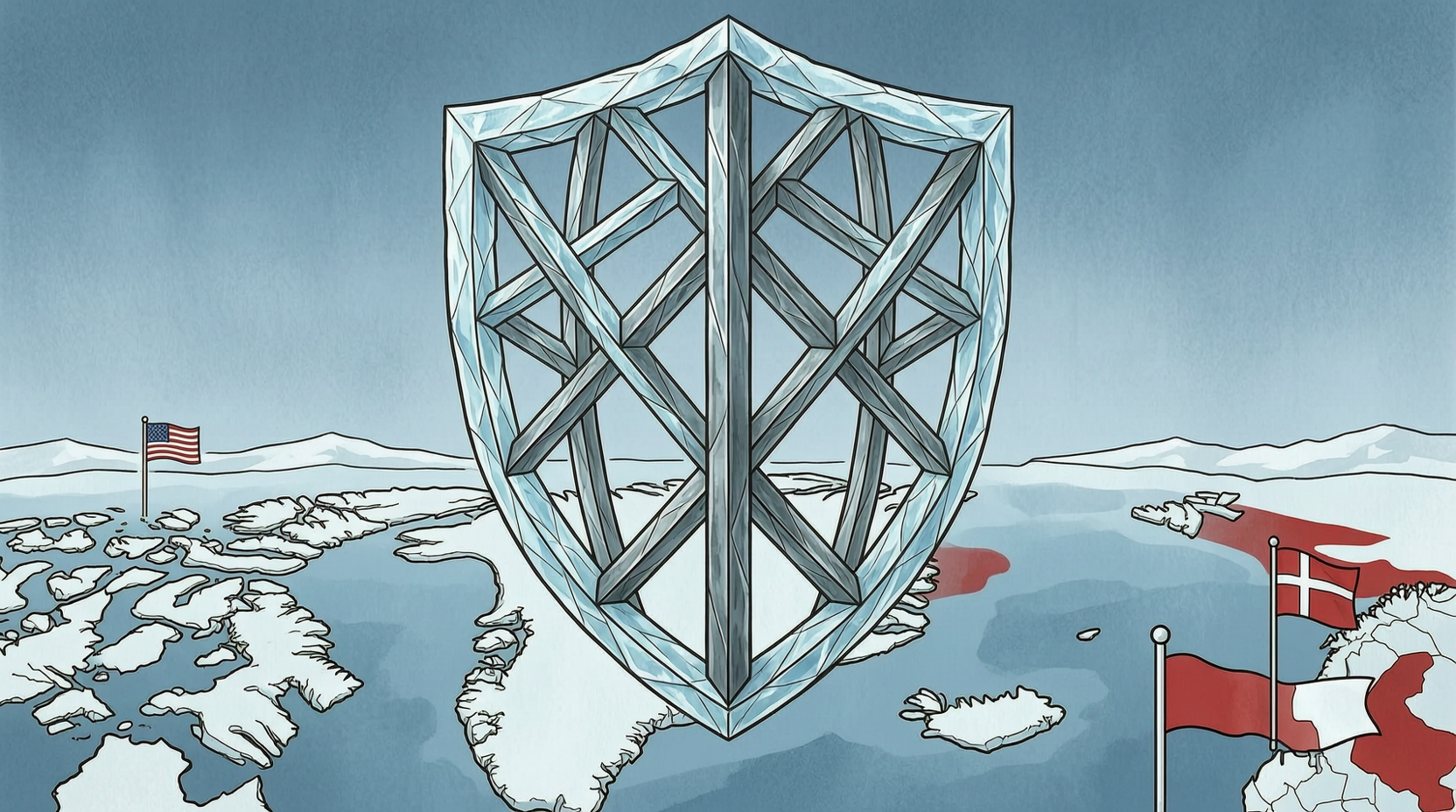
President Trump stated that the agreement gives Washington authority over security and "all other needs" in Greenland. According to an unnamed U.S. State Department official, the deal includes unilateral power for the U.S. to build additional military structures without requiring approval from Greenland or Denmark. The agreement specifically bans non-NATO countries and adversaries from building bases or making sensitive investments in the region unless they receive express written approval from Washington.
Despite these expansive claims by the U.S., Danish and Greenlandic leaders emphasized that the agreement respects their sovereignty and territorial integrity. Officials from both nations stated that the deal does not compromise Greenland's sovereignty and recognizes its right to self-determination. French President Emmanuel Macron also commented on the development, stating that the deal helps reaffirm Danish sovereignty over Greenland.

NATO welcomed the pact, describing it as a stabilizing force for the vital Arctic region. Canada’s National Defence Minister David McGuinty described the U.S.-Greenland deal as "encouraging" regarding Arctic security responsibilities. The agreement is seen as ending months of diplomatic uncertainty between the U.S. and its NATO allies, while simultaneously strengthening U.S. military presence and restricting Russian and Chinese influence in the area.
However, the path to full implementation remains complex. The agreement requires parliamentary action by both Denmark and Greenland before it can be enforced. Key details of the deal have not been made public, leading to uncertainty about whether it differs significantly from existing 1951 security agreements. Some residents and politicians have expressed skepticism and distrust of Trump's intentions, despite official statements welcoming the deal.

From an economic perspective, the agreement has drawn support from industry stakeholders. Greenland Mines Ltd applauded the deal, citing its strategic importance for critical minerals supply chains. The pact potentially secures access to rare earth minerals that are critical for defense and technology sectors. Currently, more than 100 military personnel are permanently stationed at the Pituffik base in Greenland, a territory with approximately 56,000 inhabitants.