Everwind Fuels Pledges No Government Funding for $8-Billion Nova Scotia Data Centre Campus
Everwind Fuels has committed to fully privately funding its proposed $8-billion data centre campus in Point Tupper, Nova Scotia, pledging to decline all government money, tax credits, and grants. Financing for the first 95-megawatt facility, to be leased to Anthropic for 20 years, is ready to close.
Everwind Fuels Chief Financial Officer Matthew Tinari sent a letter this week to Nova Scotia Finance Minister John Lohr committing that the company will not ask for or accept any government money for its proposed data centre project at the Point Tupper industrial park. 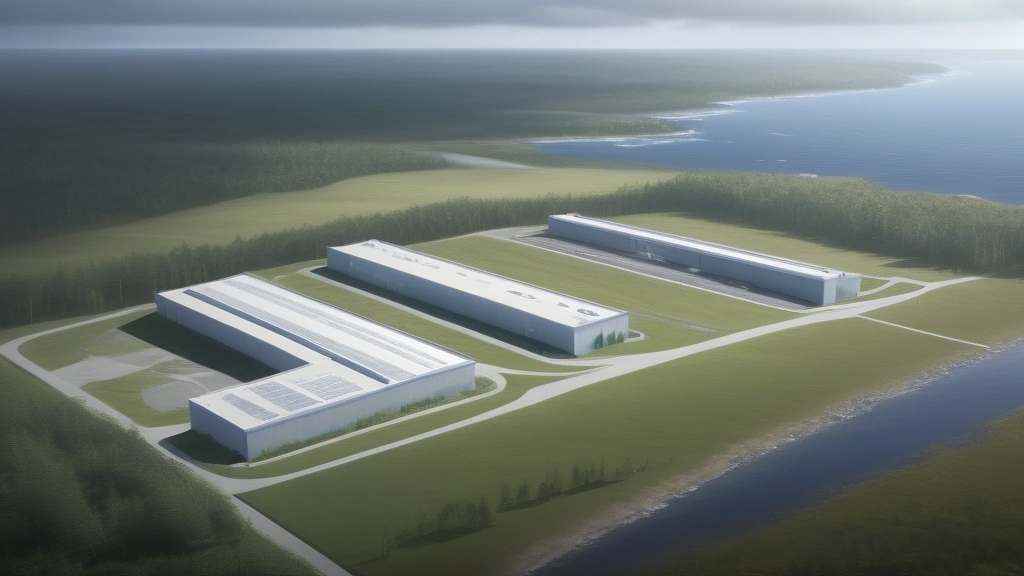
The pledge explicitly excludes tax credits, capital grants, payroll rebates, forgivable loans, or any other provincial contribution. This commitment follows protests against the project last week and aims to address community feedback. It also contrasts with earlier statements from Finance Minister Lohr, who had noted the province had not ruled out incentives.
The total proposed investment for the data centre campus in Nova Scotia is $8 billion. Project financing is ready to close on the first facility, a 95-megawatt data centre that will be leased to Anthropic for 20 years. Power for this initial facility will come from the provincial grid, with Everwind and Anthropic paying for necessary upgrades. A second phase of the data centre, with a capacity of 325 megawatts, is proposed to be ready by 2028.
In addition to the data centres, the project includes a separate $2 billion spend on four onshore windfarms.
Economic modelling projects significant financial benefits from the development. Over the initial 20-year operating term of the full development, the project is expected to generate $1.5 billion in corporate income tax. Combined data centre and wind development is projected to produce more than $400 million in municipal tax revenue over their respective project lives. The project is also expected to yield $75 million in personal income tax from construction and an estimated $8.4 million annually in personal income tax during operations.
Employment projections indicate the creation of approximately 2,000 construction jobs during peak development and 215 permanent jobs once the project reaches full development.
An implementation agreement is currently being drafted to formalize several commitments.  These include minimizing water usage, preserving drinking water, ensuring no increase to power rates, and declining government assistance.