Halifax Industrial Market Tightens as Defence Investments Loom and Infrastructure Gaps Persist
Halifax recorded its strongest quarter of industrial net absorption since 2020, but a shortage of large-scale spaces threatens to limit the city's ability to capture anticipated defence-related investment. Experts warn that infrastructure deficits in water capacity and traffic, alongside housing supply challenges, could hinder future growth.
Halifax’s industrial real estate market is tightening rapidly, recording its strongest quarter of positive net absorption since 2020 during the third quarter. This surge reduced the industrial availability rate to 5.6 per cent. However, the market currently lacks the large-scale spaces required to meet incoming demand.
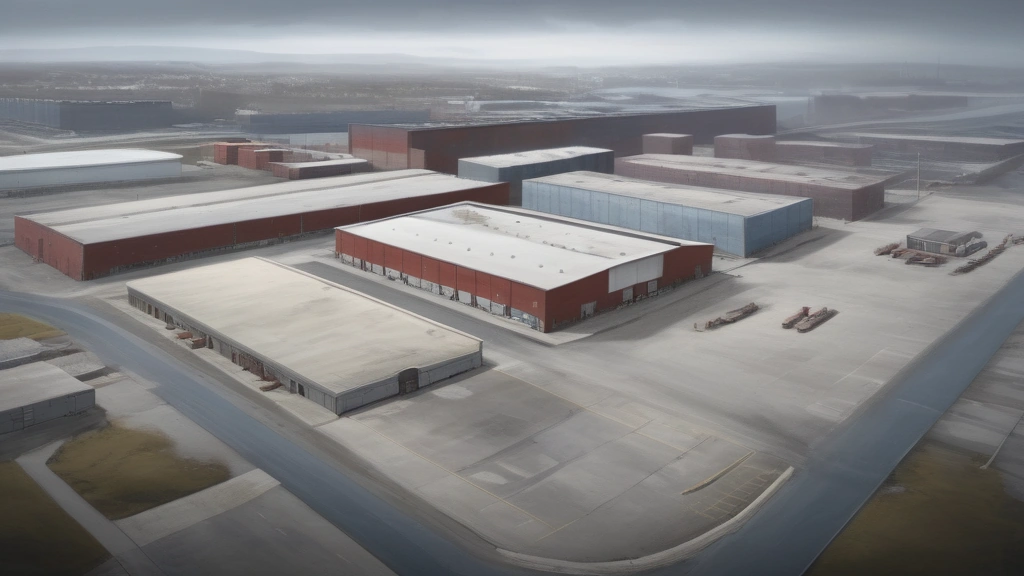
Several tenants are actively seeking between 100,000 and 200,000 square feet of space in Halifax, but the largest available existing spaces only accommodate about 50,000 square feet. Edwina Govindsamy, sales manager with CBRE, stated that Halifax needs more industrial inventory and larger sites to capitalize on expected investment in Atlantic Canada. Without suitable large industrial space, companies may be forced to expand their search beyond the city.
Billions of dollars in defence-related investment are expected to flow into Atlantic Canada, driving layered demand for shipbuilding, aerospace, engineering, and specialized supply chain facilities.
Despite these pressures, Halifax continues to perform well in national and continental rankings. The REALPAC Property Index ranked Halifax second in Canada for annual total returns and noted it was the only major Canadian market to record growth in capital values. Additionally, CBRE’s 2026 Scoring Tech Talent report ranked Halifax as the second-best emerging tech talent market in North America for the second consecutive year.
Danny Chedrawe, president of Westwood Developments Ltd., warned that a lack of municipal infrastructure investment—specifically regarding water capacity and traffic congestion—could undermine Halifax's ability to accommodate future growth. These infrastructure deficits could prevent the city from fully capitalizing on economic expansion. Chedrawe called on Premier Tim Houston and Halifax Mayor Andy Fillmore to work with Prime Minister Mark Carney to secure federal infrastructure funding.

Housing availability is also becoming an economic infrastructure issue critical for attracting and retaining talent. Approximately 14,000 rental units were under construction in Halifax during the summer, but CMHC data indicates newer buildings face higher vacancy rates compared to older stock. More than 700 attendees gathered at a recent conference where these overlapping challenges in corporate real estate, defence, and housing were discussed.