Democrats to Control Both Chambers of Congress in January Amid Veto Hurdles and Internal Divisions
Following a significant election victory, Democrats will take control of both chambers of Congress in January. While the new majority grants oversight powers and the ability to confirm or block nominations, President Donald Trump's veto power and the lack of a supermajority present substantial hurdles to passing legislation or removing a president from office.
Democrats are set to take control of both chambers of Congress starting in January following a significant election victory. House Democratic Leader Hakeem Jeffries declared the result the beginning of "the great American comeback." However, Senator Chris Coons warned that the election was not a "mandate" and noted the party remains "deeply unpopular," contrasting with the celebratory tone of leaders like Jeffries.
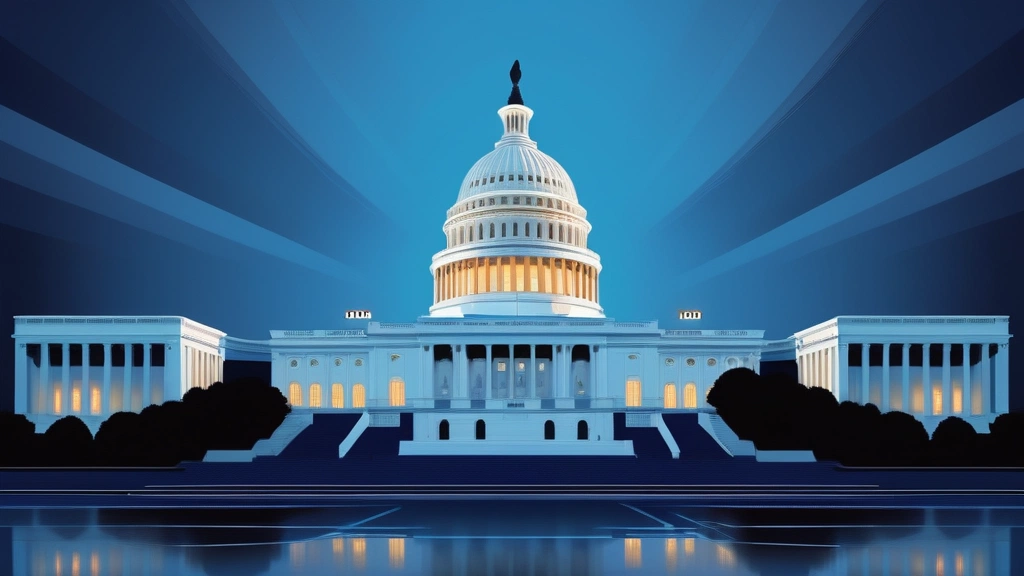
With the new majority, Democrats gain enhanced oversight capabilities. Congressman Robert Garcia is expected to lead a powerful House oversight committee with the ability to investigate the Trump administration. Potential targets for congressional investigations include Trump's family, corporate corruption, abuses by the Department of Homeland Security and Immigration and Customs Enforcement, and the handling of Epstein files. In the Senate, Democrats can use their new majority to confirm or block presidential cabinet and judicial nominations.
While Democrats can impeach a president, removing them from office requires a two-thirds Senate majority of 67 votes, which they do not currently hold. There is an active debate among Democrats regarding whether pursuing impeachment is strategically wise, given past partisan backlash, versus using it as a tool for accountability. Furthermore, President Trump retains the power to veto legislation, and Democrats lack the supermajority needed to override such vetoes, increasing the difficulty of passing enacted legislation. Trump publicly stated a willingness to work with Democrats while simultaneously posting images emphasizing his "VETO" power, suggesting conflicting signals about future cooperation.
Jeffries stated that restoring Medicaid cuts and extending Affordable Care Act tax credits are top priorities for House Democrats. On foreign policy, incoming Senator Abdul El-Sayed and some incoming House members campaigned on voting to curtail US military aid to Israel, highlighting a risk of internal Democratic party divisions. Additionally, in June, both the House and Senate passed a resolution to halt hostilities with Iran, which President Trump has effectively ignored despite lacking a formal veto mechanism for resolutions, raising the possibility of legal battles regarding enforcement.
The incoming Congress faces a skeptical public. An October Gallup poll indicated that only 14% of US registered voters approved of lawmakers' performance prior to the election.