Trump Backs Diesel Export Ban as U.S. Prices Hit Record High
U.S. President Donald Trump has expressed support for banning diesel exports amid record domestic fuel prices driven by supply shortages from conflicts in the Middle East and Ukraine.
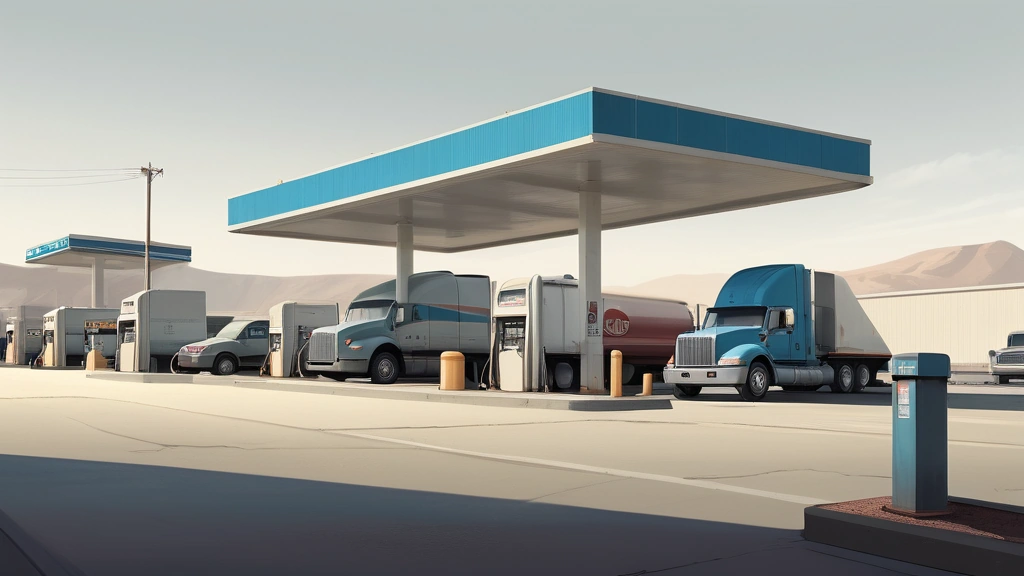
U.S. President Donald Trump has stated his support for a ban on diesel exports from American refiners, aiming to ease soaring fuel costs that have reached historic levels. This development comes as retail diesel prices in the United States hit their highest point in 2026 at $6.50 per gallon.
The surge in prices is largely attributed to significant supply disruptions caused by ongoing wars in the Middle East and Ukraine. According to the International Energy Agency (IEA), global oil supply projections for 2026 were cut by 5.7 million barrels per day year-on-year, with world supply expected to average 100.7 million barrels a day.
Data indicates that net exports of diesel and gasoil from Gulf countries dropped sharply, averaging 390,000 barrels a day in August—only one-quarter of pre-war levels. Furthermore, combined August net exports from the Middle East and Russia were 1.6 million barrels a day lower than in February.
In Europe and Asia, Brent oil prices retreated to US$99.25 on Tuesday but remain more than 35 percent higher than before the war in Iran began in late February. The conflict landscape has severely impacted production capabilities; Ukrainian drones struck a Russian refinery on average every three days during the first eight months of 2026. Consequently, Russian refinery output in June fell to its lowest level in more than 20 years, prompting the Russian government to restrict diesel exports to ensure domestic supply.
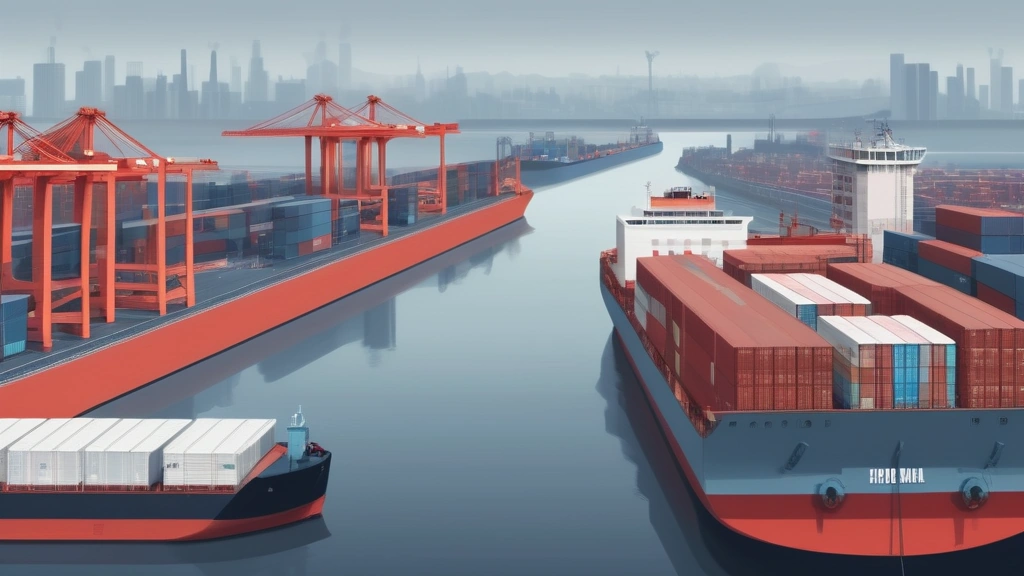
Additional pressures on the market include warnings from Saudi Aramco to European refiners regarding crude deliveries next month, following a Houthi strike that damaged a pump station on the East-West pipeline.
The resulting inflationary pressure has influenced monetary policy globally. Last week, the U.S. Federal Reserve raised interest rates for the first time since 2023, joining the European Central Bank and the Bank of Japan in tightening monetary policy.