U.S. Tariffs Could Inflict Permanent Structural Damage on Canada's Economy, Desjardins Economist Warns
Desjardins Group chief economist Jimmy Jean warns that U.S. tariffs under President Donald Trump could cause lasting structural harm to the Canadian economy beyond a typical recession. Meanwhile, rising inflation has clouded the Bank of Canada's next interest rate decision.
Jimmy Jean, chief economist of the Desjardins Group, stated that many Canadian businesses adopted a wait-and-see approach during the first year of U.S. President Donald Trump's term but began finding their footing again by early 2026. However, trade talks broke down in August, resulting in new tariffs on approximately $27.6 billion in goods that did not include a carveout for products covered under the Canada-United-States-Mexico Agreement.
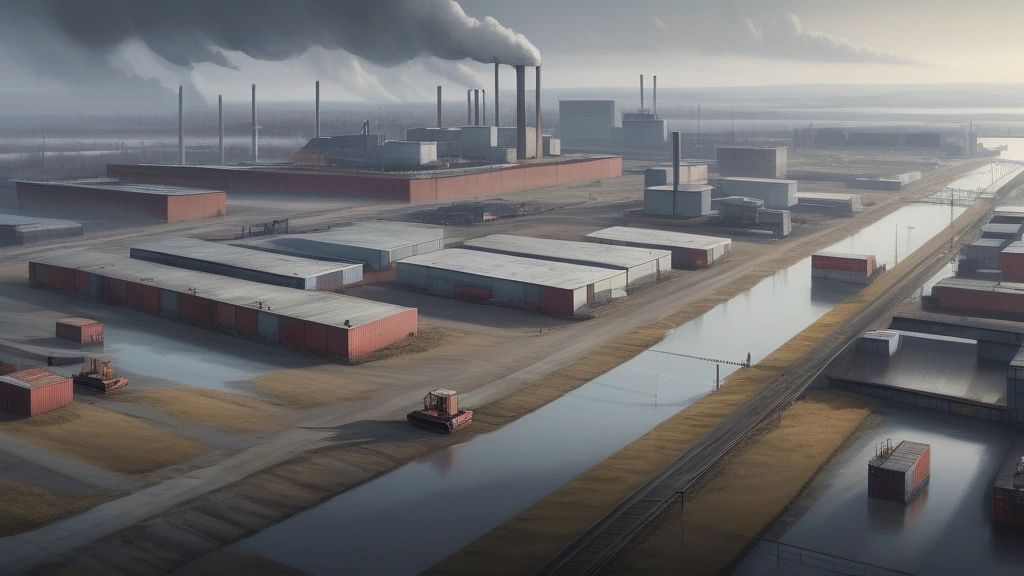
While Trump’s new tariffs affect only 5 per cent of Canadian exports, Jean warned that their significance extends beyond the targeted goods due to potential structural changes in business behavior. If companies view the deterioration in Canada–U.S. trade relations as lasting, they may cancel expansion projects, cut production, or close facilities permanently. A typical recession lasts about 18 months, but permanent factory closures and abandoned investments cause economic damage that extends well beyond this period. Jean noted that if an economy's growth rate is reduced from two per cent to one per cent, its output would be nearly 5 per cent below what it otherwise would have been after five years.
In January, the Bank of Canada estimated that Canada’s GDP would be 1.5 per cent lower at the end of the year than its pre-trade-war forecast, with half of that shortfall attributed to lower output. Jean argues that the long-term cost depends on reduced productive capacity rather than just temporary demand drops.
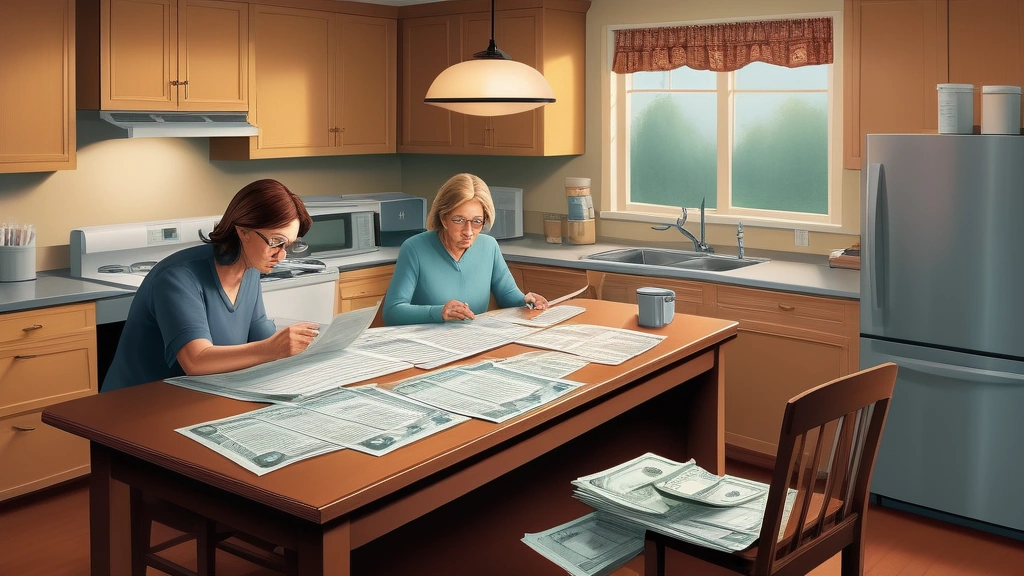
Compounding these trade concerns, Canada’s consumer price index breached the Bank of Canada’s comfort zone of three per cent in September, though the pace was less than economists had expected. Bank of Canada Governor Tiff Macklem stated at an IMF meeting in Bangkok that developments in the Iran war have increased the risk that inflation broadens and becomes more persistent.
This shifting landscape has made the central bank's next interest rate decision uncertain. Robert Kavcic, senior economist for BMO Capital Markets, suggested the central bank will probably raise rates 25 or 50 basis points to return to neutral, though the timing for October remains unclear.