Emera Proposes $14.3-Billion Merger with ATCO and Canadian Utilities to Form Major North American Utility
Halifax-based Emera Inc. has proposed a $14.3-billion merger with ATCO and Canadian Utilities, creating a combined entity valued at roughly $72 billion including debt. The companies plan to invest about $32 billion through 2030, though an RBC report warns that Canada's broader energy buildout will compete for scarce workers and materials.
Halifax-based Emera Inc. has proposed a $14.3-billion merger with ATCO and Canadian Utilities, a deal that would create one of the largest utility companies in North America. Based on share value, the combined company would be worth approximately $35 billion, or roughly $72 billion when including debt.

Under the proposal, Emera shareholders would own 60 per cent of the new company, while Canadian Utilities and ATCO shareholders would hold the remaining 40 per cent. Together, Emera and Canadian Utilities plan to invest about $32 billion through 2030. Among the projects in development is Canadian Utilities’ $2.9-billion Yellowhead natural gas pipeline in Alberta.
If the merger is approved, Emera plans to spin out ATCO’s housing, defence, and ports businesses into a new publicly listed company led by current CEO Nancy Southern.
The proposed transaction comes as Prime Minister Mark Carney has made attracting $1 trillion in new investment a central part of Ottawa’s economic agenda. The combined entity aims to leverage greater financial capacity to fund major infrastructure projects, such as data centers and grid upgrades.
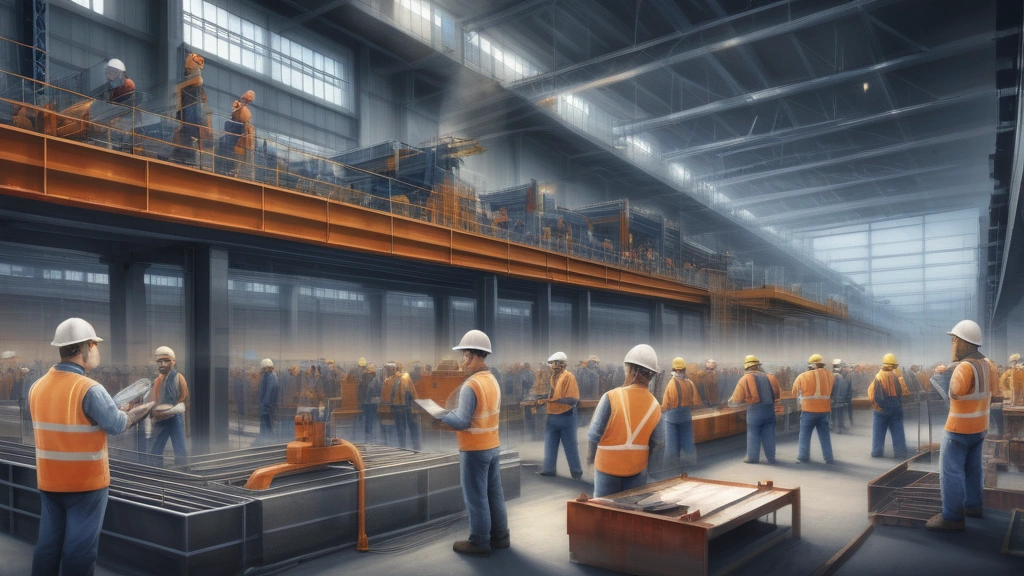
However, a report from RBC warns that Canada’s wider energy buildout will compete with other major industrial projects for workers and materials. More than $100 billion in oil and gas infrastructure is already being proposed or is in development across the country. Ottawa estimates that more than 1.4 million new trades workers will be needed by 2033 due to retirements, raising concerns about potential shortages in skilled labor and raw supplies like steel.