Proposed 420-Megawatt Data Centre in Nova Scotia Raises Emissions Concerns
The Nova Scotia Department of Energy and EverWind Fuels held public meetings on a proposed hyperscale data centre at Point Tupper intended to serve Anthropic. The 420-megawatt facility would consume roughly 34.5% of the province's 2025 electricity sales, with diesel backup generators potentially adding up to 0.222 megatonnes of greenhouse gas emissions annually.
The Nova Scotia Department of Energy and EverWind Fuels held three online public meetings last week to discuss a proposed 420-megawatt hyperscale data centre campus at the Point Tupper facility. The project is intended to serve artificial intelligence company Anthropic as its client. 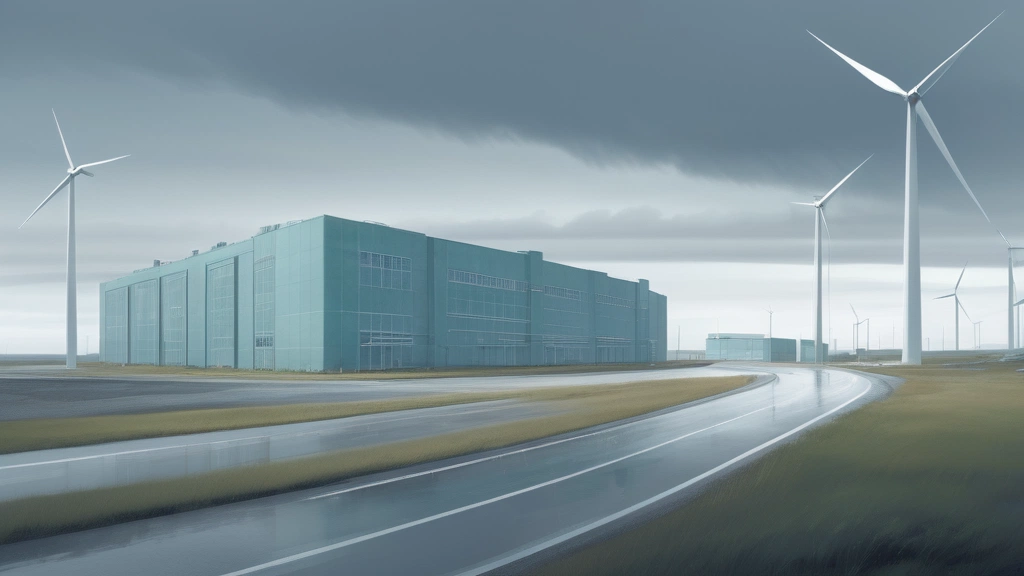
The campus is expected to require approximately 3.68 terawatt-hours of electricity annually, which equates to about 34.5% of Nova Scotia’s total electricity sales projected for 2025. To meet this demand, the facility plans to source roughly two-thirds of its power from wind farms and one-third from the provincial grid.
Diesel generators would be used for up to 5% of the time when other power sources are unavailable. If the generators run for that full 5%, they would consume between 46 megalitres and 82.8 megalitres of fuel each year, depending on generator efficiency. This projected consumption represents an increase of 7.3% to 13.1% over Nova Scotia’s average annual diesel use between 2021 and 2025.
Running the diesel generators for 5% of the time would produce between 0.123 and 0.222 megatonnes of greenhouse gas emissions per year. Nova Scotia recorded 13.69 megatonnes of greenhouse gas emissions in 2024, and the province has set a target to reduce that figure to 10.35 megatonnes by 2030. The additional emissions from the data centre could complicate efforts to reach that goal. 
Critics argue that the potential emissions impact warrants an independent environmental review of the project, though concerns have been raised regarding government impartiality in such a process. Stephen MacDonald serves as the province's deputy energy minister, while Matthew Tinari is the chief financial officer of EverWind Fuels.