Eskasoni First Nation and Aeon Blue Launch Joint Venture to Produce Jet Fuel from Seawater
Eskasoni First Nation has invested $1.5 million as the majority owner in eFuels Mi'kmaq Limited, a joint venture with Aeon Blue that plans to produce drop-in jet fuel from seawater and air using wind energy at a pilot facility in Cape Breton.
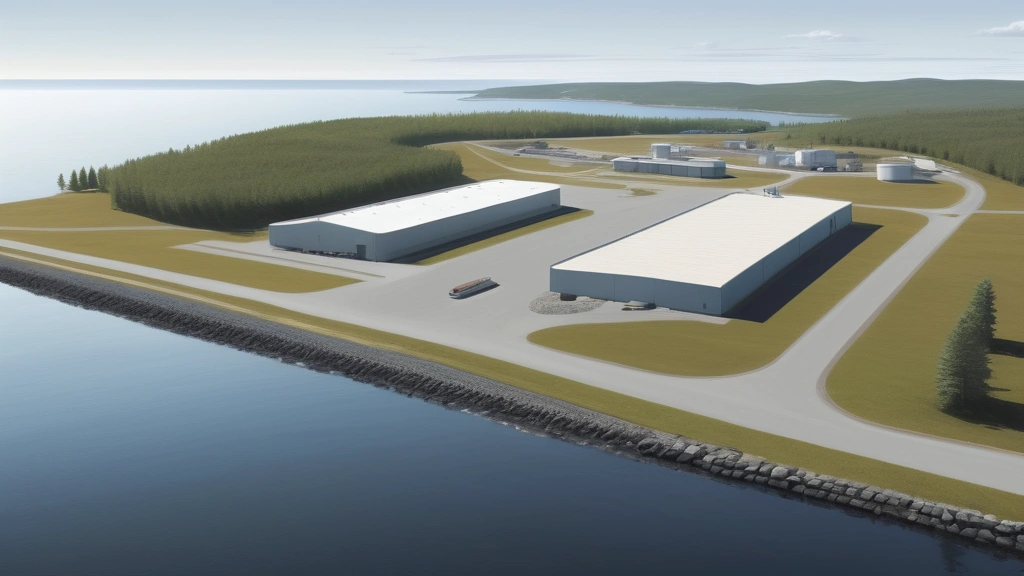
Eskasoni First Nation has invested $1.5 million to become the majority owner of eFuels Mi'kmaq Limited, a new joint venture formed with Aeon Blue. The partnership, which was announced on Thursday after approximately 18 months of development, aims to produce environmentally friendly jet fuel from seawater.
Aeon Blue is originally from the United States but relocated to Sydney, Nova Scotia, to take advantage of federal government incentives and research facilities at the Verschuren Centre on Cape Breton University's campus. The company will partner with Eskasoni First Nation to build a pilot project on band-owned land in the Sydport industrial park, located in the Sydney Harbour area of the Cape Breton Regional Municipality.
The technology behind the venture extracts hydrogen from seawater and draws carbon dioxide directly from the air to create a drop-in jet fuel that can be used without engine modifications. The entire process is expected to be powered by wind energy sourced from both onshore and offshore locations. According to Aeon Blue co-founder Deois Ua Cearnaigh, the company's patented process improves upon existing technology to make it economical on a commercial scale. The system is designed to draw more carbon from the air than it uses, with excess carbon dioxide being sequestered.

Jet fuel was selected as the primary product due to growing demand for green fuel in the air travel industry. The pilot project is expected to begin producing fuel next year, with operations scaling up the following year. Full commercialization is targeted for 2030.
The initiative is also intended to generate long-term economic opportunities and local employment for Eskasoni First Nation. Up to 12 band members are expected to receive training through the joint venture next year. Upon reaching full commercialization, the project could create up to 80 full-time jobs.