Canada and EU Deepen Ties at Montreal Summit as 'Associate Member' Language Sparks Debate
Prime Minister Mark Carney and European Commission President Ursula von der Leyen hosted a summit in Montreal to strengthen Canada-EU relations, including a $1.6 billion investment in AI firm Cohere. However, the term 'associate member' was removed from draft joint statements due to internal EU objections, particularly from Germany.
Prime Minister Mark Carney and European Commission President Ursula von der Leyen are hosting a summit in Montreal aimed at deepening ties between Canada and the 27-member European Union bloc. During the gathering, Carney stated that Canada is working to become an "associate member" of the EU, a status that currently does not exist. 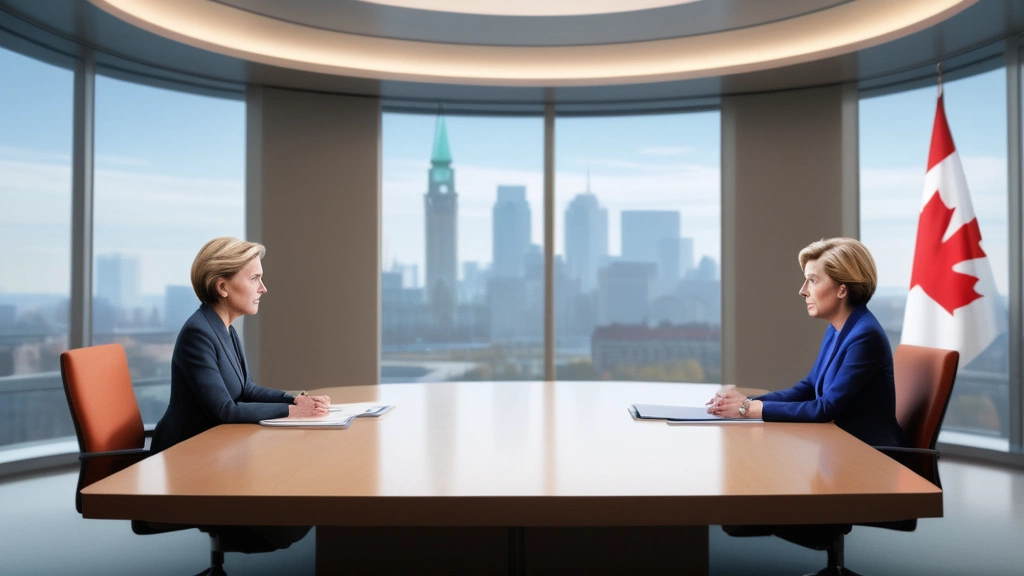
Von der Leyen championed making Canada the first associate member of the EU last month. She described the proposed alliance as "an association without accession," involving close alignment on policies including artificial intelligence, climate, energy, security, and governance.
However, the specific terminology has faced internal opposition within the EU. The term "associate membership" was removed from the draft of a joint statement expected to be published on Friday and replaced with a commitment to an "ever closer association." Sources indicate that Germany specifically opposes the "associate member" term, calling it a red line.
The partnership aims to lessen dependence on the United States under President Donald Trump, who has threatened retaliation if he interprets the move as a hostile act. The alliance seeks independence from the U.S. for trade and security, though this carries the risk of retaliatory trade measures.
Key outcomes from the summit include Carney's announcement of plans to invest up to $1.6 billion in Cohere, a Toronto-based generative AI company. Both sides also promised to launch negotiations toward deeper participation in Erasmus, the European Union's student and youth exchange program, which could increase opportunities for Canadians to live, travel, study, and research in Europe.

Domestically, the summit drew criticism from Canada's Opposition Leader Pierre Poilievre. He dismissed the event as a "grand theatrical meeting" and called for practical actions, such as allowing Canadian beef into the continent and canceling carbon tariffs, arguing the alliance lacks immediate economic relief.