EverWind Fuels Faces Scrutiny Over Conflicting Diesel Power Figures for Nova Scotia Data Centre
EverWind Fuels is under scrutiny over conflicting figures regarding backup diesel power for its proposed hyperscale data centre in Point Tupper, Nova Scotia. While a community consultation poster indicated up to 102 MW of diesel generation, the company's CFO stated the current industrial approval application is for 42 MW. A retired professor calculated that 42 MW of high-efficiency diesel usage could consume 30.5 million litres annually, potentially increasing provincial carbon emissions by 3-4% and hindering 2030 reduction targets.
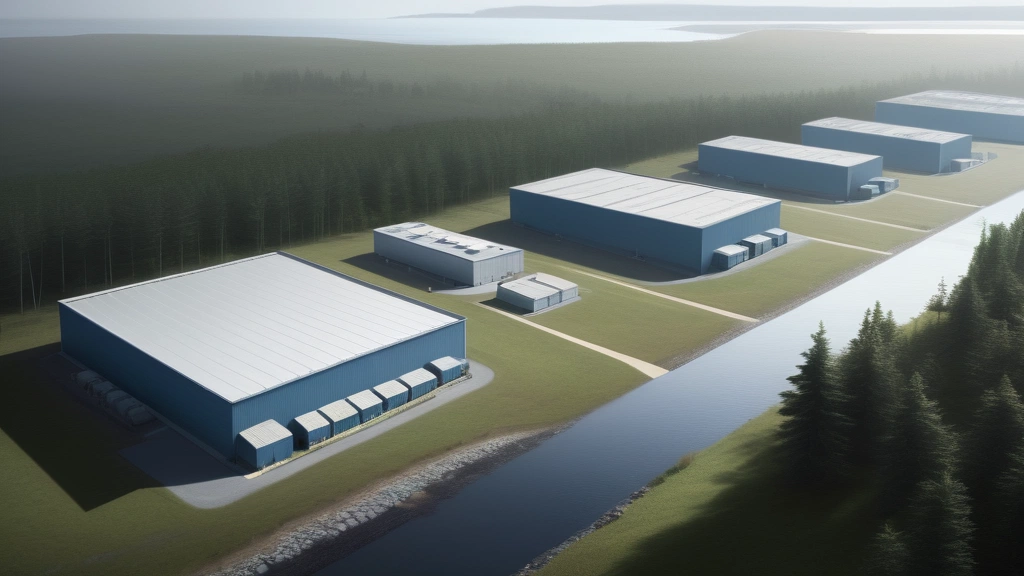
EverWind Fuels is facing questions over inconsistent figures regarding the backup diesel power planned for its proposed hyperscale data centre at the Point Tupper Industrial Park in Nova Scotia. The company plans to install 200 megawatts (MW) of battery storage alongside diesel generators onsite for backup power.
A discrepancy emerged between public communications and regulatory filings. A poster displayed at a Cape Breton community consultation showed "last resort" diesel generators producing "up to 102 MW." However, EverWind Chief Financial Officer Matthew Tinari stated that the company applied for an industrial approval for 42 MW of diesel generation for Phase 1 of the project.
Larry Hughes, a retired electrical engineering professor from Dalhousie University, argued that emissions from the backup diesel generation should be evaluated through an environmental assessment rather than solely an industrial approval process. Hughes calculated that if Nova Scotia Power experiences interruptions at its maximum allowable level, operating 42 MW of Tier 4 generators during Phase 1 would require 30.5 million litres of diesel annually. That volume represents approximately 5% of the diesel used in Nova Scotia each year.

Hughes predicted that filling the energy gap with diesel generators could increase carbon emissions in Nova Scotia by 3 or 4% a year. Such an increase poses a risk to the province's target of reducing carbon emissions by 53% compared to 2005 levels by 2030.
Even after four wind farms become operational, EverWind will still need to purchase about one-third of the electricity required to operate the 420 MW hyperscale data centres from Nova Scotia Power.
Emera president and CEO Scott Balfour expressed support for the potential benefits of large-load customers like data centres, stating they can help support investments in the system and spread costs across a broader customer base. A preliminary estimate in a study published on Oct. 27 by Nova Scotia’s Independent Energy System Operator (IESO) pegged the cost of connecting EverWind's wind farms to the grid at about $74 million. EverWind has committed to paying this connection cost and stated it will comply with guidelines ensuring that power rates do not rise as a result of AI data centre operations.