EverWind Fuels Announces $10 Billion AI Data Centre and Wind Energy Investment in Nova Scotia
EverWind Fuels has unveiled a $10 billion investment plan for Nova Scotia, comprising an $8 billion AI data centre in Point Tupper and $2 billion in onshore wind energy. The project is expected to create thousands of jobs and generate significant tax revenue, though it has drawn both political support and criticism over regulatory safeguards.
EverWind Fuels has announced a $10 billion investment in Nova Scotia, allocating $8 billion toward an artificial intelligence data centre in Point Tupper and $2 billion for onshore wind energy development. Officials have described the initiative as the largest private sector investment in the province's history.
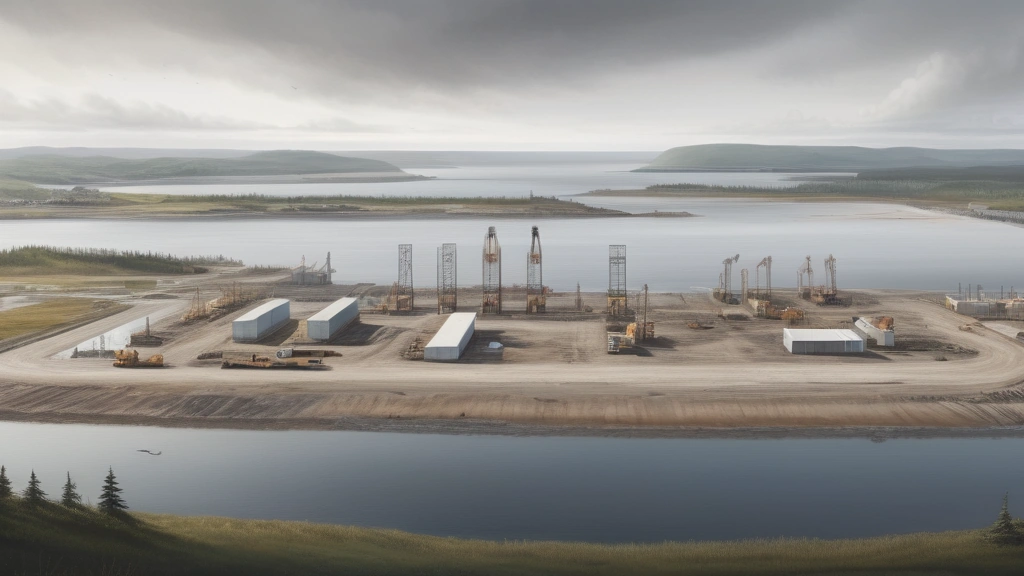
The developments are projected to create approximately 2,000 jobs during the construction phase and 215 permanent positions once operational. Over the lifetimes of both projects, they are expected to generate an estimated $400 million in municipal tax revenue.
Premier Tim Houston welcomed the announcement, calling it a significant vote of confidence and opportunity for the province. Richmond County Warden Lois Landry stated that the investment could help address local priorities such as health care, housing, and infrastructure.
Mi'kmaw communities are directly involved in the initiative. Membertou Chief Terry Paul confirmed that his community holds a 51 per cent ownership stake in the proposed wind projects and is working with EverWind on the data centre. EverWind also holds a memorandum of understanding with the Assembly of Nova Scotia Mi’kmaw Chiefs regarding the project.

The initial phase of the data centre is expected to use approximately 100,000 litres of water per day. Addressing concerns about electricity costs, EverWind stated it will fully fund all connection, network upgrade, and other electricity system costs attributable to the development to avoid passing expenses to ratepayers. The company plans to hold public engagement sessions to gather feedback.
Despite the economic projections, the announcement has faced political scrutiny. NDP Leader Claudia Chender criticized the government for supporting the project without discussion, consultation, legislation, or regulations. Chender argued there is insufficient protection for Nova Scotians against rising power rates due to the lack of legislative safeguards.