EverWind Says $10 Billion AI Data Centre in Nova Scotia on Track for 2027 Launch
EverWind reports its $10 billion AI data centre project at Point Tupper, N.S., is proceeding toward a 2027 launch after signing grid connection agreements with Nova Scotia Power. The project faces public protests over power and water demands.
EverWind has committed $10 billion in private investment to develop an artificial intelligence data centre at its Point Tupper site near Port Hawkesbury, N.S. The company says the project remains on track for a 2027 launch despite public opposition and questions about infrastructure capacity.
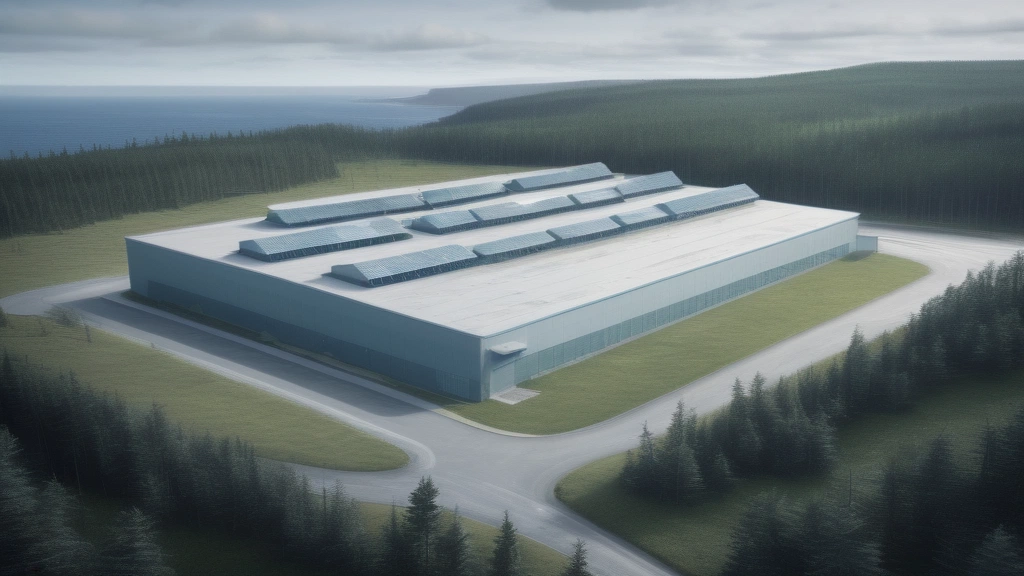
AI development company Anthropic has signed a long-term lease to use the EverWind data centre. Last week, EverWind signed two agreements with Nova Scotia Power to connect the planned facility to the utility’s electrical grid. The electric service contract covers the project’s first 95-megawatt phase and provides electricity on an “interruptible basis,” meaning EverWind can be cut off from the grid with 10 minutes’ notice if required. In the event of a grid cutoff, the facility will be powered by batteries or a backup diesel generator.
EverWind plans for the facility to be largely powered by its proposed wind projects, but those turbines are not expected to become operational until 2028. As a result, the centre will rely on Nova Scotia Power’s grid for its first year. A second phase could expand the project to 420 megawatts and is targeted for completion sometime in 2028, subject to approvals.
To access Nova Scotia’s power grid, EverWind will pay an interim large industrial tariff until a new fee structure is developed, as existing tariffs were not designed for customers of this scale. Nova Scotia Power stated that its approach ensures existing customers do not bear the costs of serving new developments like data centres.

Protests against the project have taken place across Nova Scotia since it was announced a month ago. Nick Tsergas, founder of StopTheDataCentre.ca, states that AI data centres use 10 to 20 times the power of traditional data centres of the same size.
EverWind’s plan indicates the use of a closed-loop cooling system where a water–glycol mixture circulates through a sealed loop, with heat removed primarily using air and water-assisted cooling during hot weather. Tsergas argues that closed-loop systems still require significant water to cool attached natural gas or diesel generators, which also produce heat.