Nova Scotia Invests $700,000 to Expand Crisis Intervention Team Training to Eastern Zone
The Nova Scotia government is investing $700,000 to bring the Crisis Intervention Team training program to Cape Breton, Antigonish, and Guysborough counties. The initiative trains first responders to manage mental health and substance use crises and connect individuals to care.
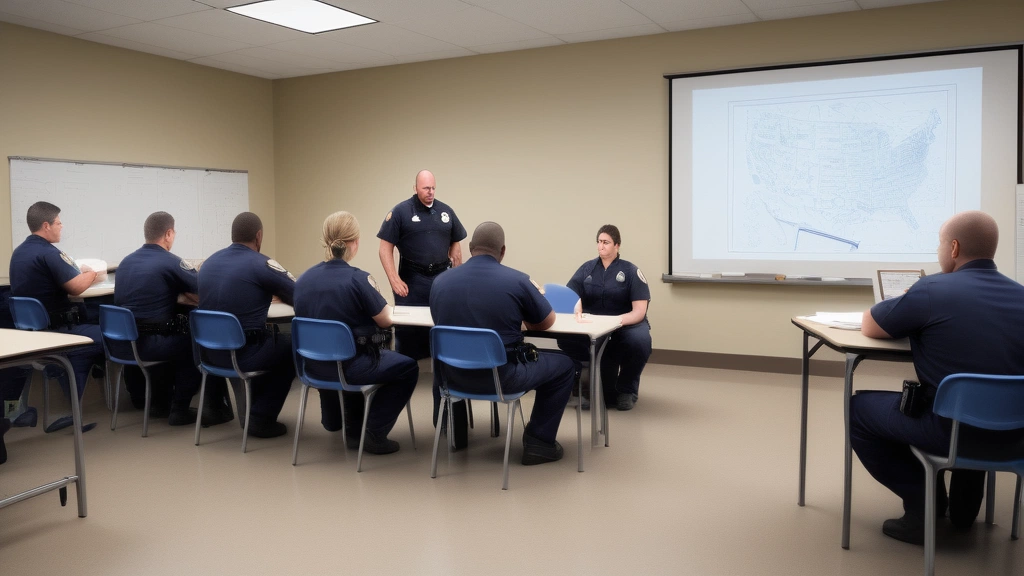
The provincial government of Nova Scotia has set aside $700,000 to expand the Crisis Intervention Team (CIT) training program into the eastern health zone, covering Cape Breton, Antigonish, and Guysborough counties.
The CIT model trains first responders—including municipal police, RCMP officers, Emergency Health Services dispatchers and providers, and correctional staff—to identify mental health and substance use crises, de-escalate situations, and connect individuals to healthcare specialists. The program involves a 40-hour training course designed to equip responders for safer and more compassionate interactions with people in crisis.
The program is already established in the northern and central health zones of Nova Scotia. In the northern health zone, 65 per cent of New Glasgow Regional Police officers have completed the 40-hour CIT program. Planning is also underway to implement the CIT program in the western zone, which includes the Annapolis Valley, South Shore, and southwest counties.
Data from the northern zone indicates that between November 2022 and January 2026, only seven per cent of incidents involving CIT resulted in emergency department transfers across Nova Scotia.
To support these efforts, the province maintains a 24/7 mental health and addictions crisis line at 1-888-429-8167. The dedicated line receives roughly 1,700 calls per month, providing a direct pathway for first responders and the public to reach appropriate care.