Nova Scotia Fire Prevention Week Highlights Lithium-Ion Battery Safety
Fire Prevention Week in Nova Scotia, running from October 4 to 10, focuses on lithium-ion battery safety under the theme 'Charged into Fire Safety: Safe Charging is a Superpower.' Officials advise residents to use manufacturer-approved chargers, charge devices on hard surfaces, avoid unattended or overnight charging, and never dispose of batteries in regular garbage due to fire risks.
Fire Prevention Week in Nova Scotia runs from October 4 to 10, with this year’s campaign centered on the safe use and disposal of lithium-ion batteries. The theme for the week is reported as “Charged into Fire Safety: Safe Charging is a Superpower,” with a slight variation noted as “Charge Into Fire Safety – Safe Charging is a Superpower.”

Emergency officials were present in Dartmouth on Saturday to explain the safe usage of lithium-ion battery-powered devices. Nova Scotia Deputy Fire Marshal Arden Weagle advised against leaving batteries unattended while charging, charging them overnight, or charging them on soft surfaces.
Halifax Regional Fire & Emergency (HRFE) advises using only manufacturer-approved cords and chargers. Devices should be charged on hard, flat surfaces such as tables, desks, or bare floors, rather than on soft surfaces. Larger items like e-bikes, e-scooters, and power tools should be charged away from doors, hallways, and stairs. If a battery hisses, pops, smokes, or catches fire, residents are advised to call 9-1-1.
Jamie Young, Nova Scotia’s acting Fire Marshal, stated that simple precautions can significantly reduce fire risks associated with lithium-ion batteries.
Lithium-ion batteries can cause fires through thermal runaway triggered by dropping, puncturing, overheating, using improper chargers, or altering batteries in e-bikes and e-scooters. The dangers of improper handling were highlighted by a fire at a waste and recycling facility in Clarence East, N.S., in July, which was caused by the improper disposal of a lithium-ion battery. Additional impacts linked to these batteries include fires in garbage trucks and public danger from battery energy storage systems connected to the grid. There is also a risk of explosion if batteries are put into landfills.
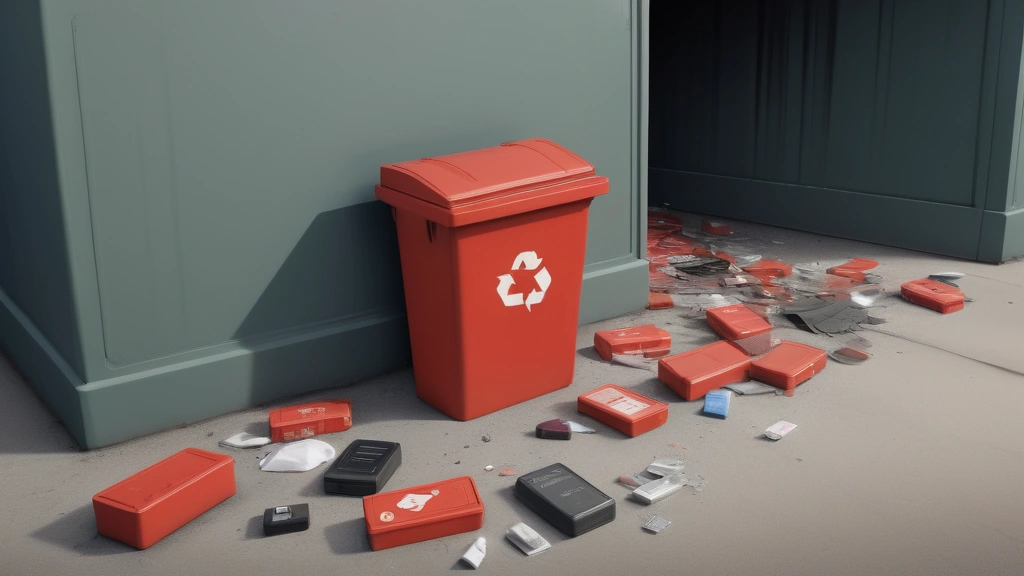
Residents should contact local recycling facilities to safely discard damaged or old lithium-ion batteries rather than putting them in landfills.