Delhi Building Collapse Highlights Systemic Failures in India's Urban Governance
A fatal building collapse in Delhi has reignited concerns over weak enforcement of safety regulations and inadequate urban infrastructure planning in India, with experts pointing to political and institutional gaps as key drivers of preventable deaths.
A five-storey building collapsed in Delhi last week, killing seven people. The incident has drawn attention to broader systemic issues in India’s urban infrastructure governance, where existing regulations often fail due to weak enforcement and a lack of political will.
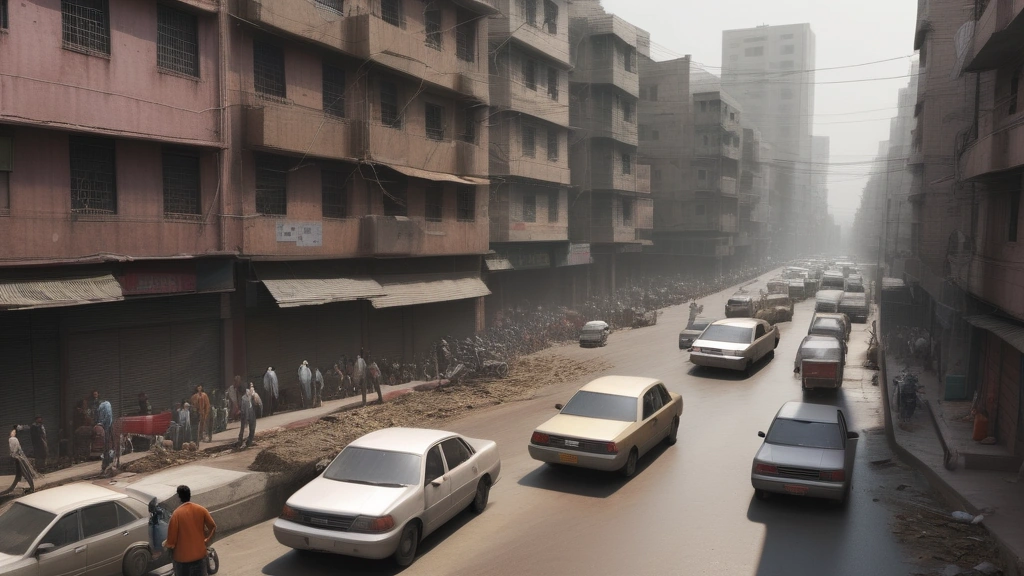
Authorities had previously flagged safety concerns in the neighbourhood months before this collapse, following a separate fire that killed 23 people at another building. Data indicates that between 2020 and 2024, nearly 33,000 deaths occurred in India due to building collapses, fires, or falls into pits and maintenance holes. These figures underscore the severity of preventable fatalities linked to infrastructure failures.
The challenge is set to intensify as India’s urban population is expected to double to 951 million by 2050, according to the World Bank. More than half of the urban infrastructure required by that date has yet to be built. Experts argue that current governance structures are ill-equipped to handle this growth. Vinayak Chatterjee notes that a 1992 constitutional amendment intended to strengthen municipalities remains largely unimplemented, limiting the capacity of local bodies to enforce standards.

In response to the recent tragedy, the high court directed inspections of student accommodations, and several municipal officials were suspended. However, structural problems persist. Geetam Tiwari from the Indian Institute of Technology, Delhi, observes that contractors frequently violate construction guidelines because penalties for non-compliance are lower than the cost of adhering to them. Rahul Goel identifies on-street parking as a primary cause of road disarray, suggesting its removal to improve pedestrian and cyclist safety.
Beyond physical infrastructure, environmental challenges such as air pollution and inadequate waste management are worsening. To address monitoring gaps, Respirer Living Sciences has installed affordable air-quality monitors in 5,000 locations across 10 Indian cities to help identify pollution hotspots. As India continues to urbanize rapidly, experts propose empowering local bodies, enforcing stricter compliance through higher penalties, and leveraging technology to mitigate risks to public safety.