Isar Aerospace Takes Control of Nova Scotia Launch Site, Paving Way for Canada's First Commercial Orbital Pad
German aerospace firm Isar Aerospace has officially taken operational control of its designated launch site at Spaceport Nova Scotia near Canso. The move clears the way for construction of facilities to support the Spectrum rocket, with first orbital launches targeted for 2028 and up to 40 annual flights planned by 2029.
German aerospace firm Isar Aerospace officially took operational control of its designated launch site at Spaceport Nova Scotia near Canso on Saturday, marking a significant step toward establishing Canada's first commercial orbital launch capability. 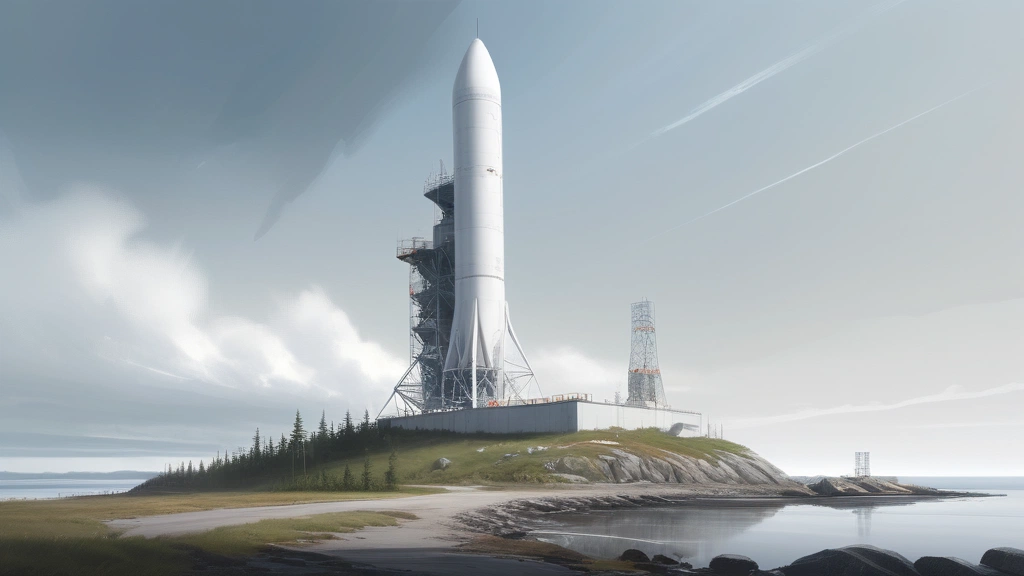
The handover clears the way for construction of a launch pad and supporting facilities for Isar's Spectrum rocket. The Munich-based company plans to build and operate its own launch complex at the site, which will include a rocket final assembly line and a payload preparation facility. Spaceport Nova Scotia will become Isar's second launch site overall and its first in North America.
First orbital launches from Maritime Launch Services, the Halifax-based partner operating the spaceport, are targeted for 2028. By 2029, Isar is targeting as many as 40 launches annually from Canso. The company's production facility currently has capacity for up to 40 rockets annually, and its Spectrum rocket is designed to carry payloads of up to 1,000 kilograms into low Earth orbit. In September, Isar successfully reached orbit on its second mission, becoming the first European commercial space company to deliver satellites into orbit.
The development aligns with Canadian government priorities for sovereign space access. Canada is currently the only G7 country without an operational domestic orbital launch capability. Defence Minister David J. McGuinty stated that the partnership helps reduce reliance on foreign launch facilities and strengthens national security.
In March, the Department of National Defence signed a 10-year, $200-million agreement with Maritime Launch Services for a dedicated launch pad. The agreement provides $20 million annually, with about 90 per cent of gross rental payments expected to be spent in Canada.
Maritime Launch founder Stephen Matier previously planned to launch Ukrainian-built rockets from the site but changed strategy due to Russia's invasion of Ukraine.