Global Conflicts Leave Cultural Heritage in Ruins with Little Accountability
Recent wars in Ukraine, Gaza, Iran, Sudan, and Syria have caused severe damage to cultural sites. Despite international laws, only one person has been prosecuted by the ICC for such crimes, highlighting a gap between legal frameworks and political enforcement.
The destruction of cultural heritage has become a recurring casualty of modern warfare, affecting UNESCO-protected landmarks across multiple conflict zones. From Odesa to Gaza, recent attacks have resulted in significant loss of historical identity, yet accountability remains rare despite established international legal frameworks.
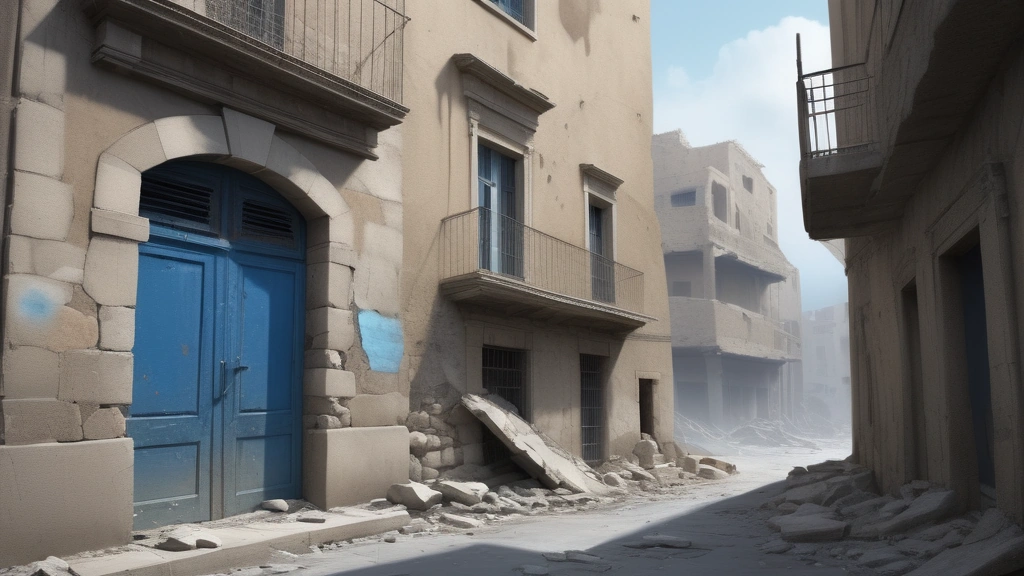
In Ukraine, the toll on cultural sites has risen sharply. In August alone, Russian aerial attacks damaged six UNESCO-protected sites in Odesa, including the Alexandru Sturdza House. The Ukrainian Ministry of Culture reported that 148 cultural heritage sites were recorded as damaged or destroyed within just one month. Earlier in the war, in 2022, Russian shelling destroyed the museum dedicated to Hryhoriy Skovoroda, injuring a caretaker, although much of the collection had been moved prior to the attack.
Despite these losses, no indictments have been issued by the International Criminal Court (ICC) regarding complaints lodged by Ukrainian activist groups against Russia for cultural destruction and looting. This lack of prosecution stands in stark contrast to the single successful case brought at the ICC for cultural destruction: Ahmad al-Faqi al-Mahdi was sentenced to nine years in prison for attacks on mausoleums and a mosque in Timbuktu, Mali.

The crisis extends beyond Eastern Europe. In Gaza, an estimated 200,000 buildings have been damaged or destroyed by Israeli bombardment. Among the casualties is the Great Omari Mosque, which was all but destroyed in a 2023 strike; the Israeli military stated the target was Hamas. Similarly, in Iran, more than 100 sites were reported damaged during the aerial war launched by the US and Israel in February, including the Golestan Palace and Naqsh-e Jahan Square.
In Sudan, the civil war has halted preservation work at the Meroe Pyramids, leaving them vulnerable to erosion, according to UNESCO warnings. Additionally, the national museum in Khartoum was stripped of its treasures in 2023 by the Rapid Support Forces (RSF). In Syria, archaeologist Khaled al-Asaad, who served as custodian of Palmyra for 40 years, was tortured and beheaded by ISIS for refusing to reveal the location of hidden artefacts. ISIS also destroyed the Central Library in Mosul in February 2015, burning books and stealing rare manuscripts.
While organizations like the Aliph Foundation and Blue Shield International assist in safeguarding artifacts—with Aliph providing millions of dollars to Ukrainian museums and using 'heritage ambulances' to move items—experts argue that political will and jurisdictional barriers prevent effective enforcement against state actors. A US Justice Department investigation did result in thousands of looted artefacts being returned to Iraq from smuggling routes in the US, but such successes remain isolated compared to the scale of ongoing destruction.