Grave of Indigenous Child Found Decades After Death at Alberta Residential School
The grave of Johnny Kiyawasew, an 11-year-old boy who died in 1943 after being enrolled at the St. Francis Xavier Residential School in Alberta, was located in 2013 by his sister Roseann with help from a private investigator. The discovery has prompted ongoing research by the Sturgeon Lake Cree Nation and the University of Alberta to identify other children who died at the school due to poor living conditions.
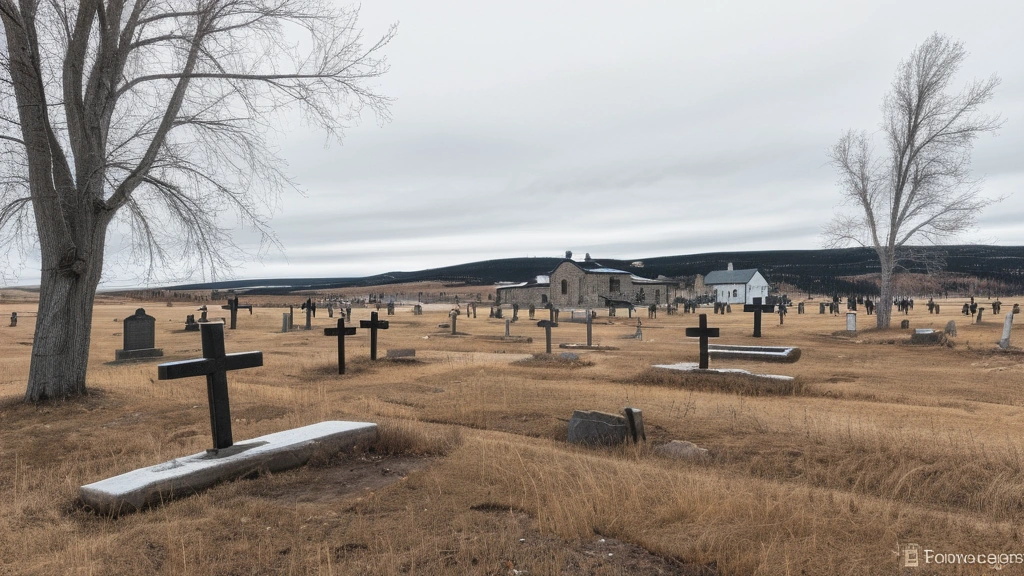
The final resting place of Johnny Kiyawasew, an 11-year-old boy from the Sturgeon Lake Cree Nation, was identified in 2013, more than seven decades after his death. His sister, Roseann Kiyawasew, located the gravesite with the assistance of a private investigator.
Johnny was forced to enroll at the Catholic-run St. Francis Xavier Residential School in Calais, Alta., where he died in 1943. According to provincial records, he succumbed to pulmonary tuberculosis in a hospital in High Prairie, a location situated over 75 kilometres away from the school.
Robert Kiyawasew stated that their parents were never informed of Johnny’s death and that a death certificate was written without their knowledge. This lack of communication left families with decades of unanswered questions regarding the fate of children who died at residential schools.
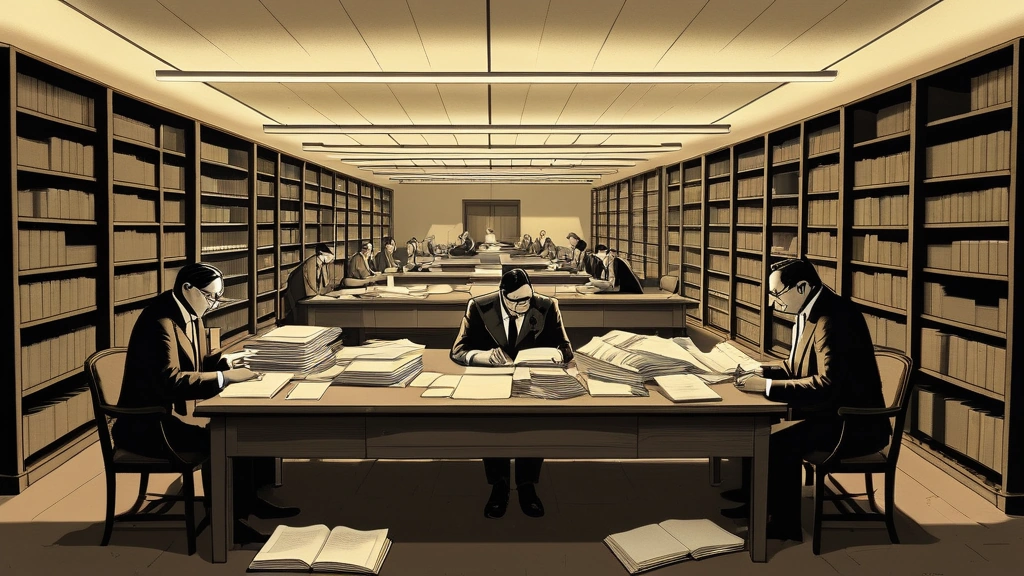
Sheldon Sunshine, chief of the Sturgeon Lake Cree Nation, noted that research indicates many children enrolled at St. Francis Xavier died from tuberculosis and malnutrition. A 1943 document cited by the National Centre for Truth and Reconciliation (NCTR) described the school as "falling to ruin" and posing a danger to health and fire safety. At least five children died at the school in 1943, according to the NCTR narrative.
Poor living conditions, including a lack of heating and comfort, contributed to student deaths. Survivors like Robert Kiyawasew also experienced cultural harms, such as punishment for speaking their native language.
Sturgeon Lake Cree Nation and the University of Alberta are currently conducting extensive research to uncover stories of children who attended residential school but did not return home. However, officials note that obtaining closure remains difficult because residential school records are fragmented across church, provincial, and federal entities.
Raymond Frogner, senior director of research at the NCTR, described these records as disorganized, inconsistent, and unreliable due to management by separate groups. This fragmentation hinders families' ability to locate graves and access complete historical accounts.