Halifax Company Galaxia Unveils Osprey Satellite to Slash Space Data Transmission Times
Halifax-based space technology company Galaxia has unveiled Osprey, a satellite designed to act as an intermediary for older spacecraft and reduce data transmission times from days or weeks to approximately 30 seconds. Funded by the Department of National Defence with $5.7 million, the satellite is targeted for launch in 2028.
Galaxia, a space technology company based in Halifax, announced on Wednesday the unveiling of Osprey, a satellite currently in development that aims to significantly lower the time it takes to transmit data from orbit to Earth. 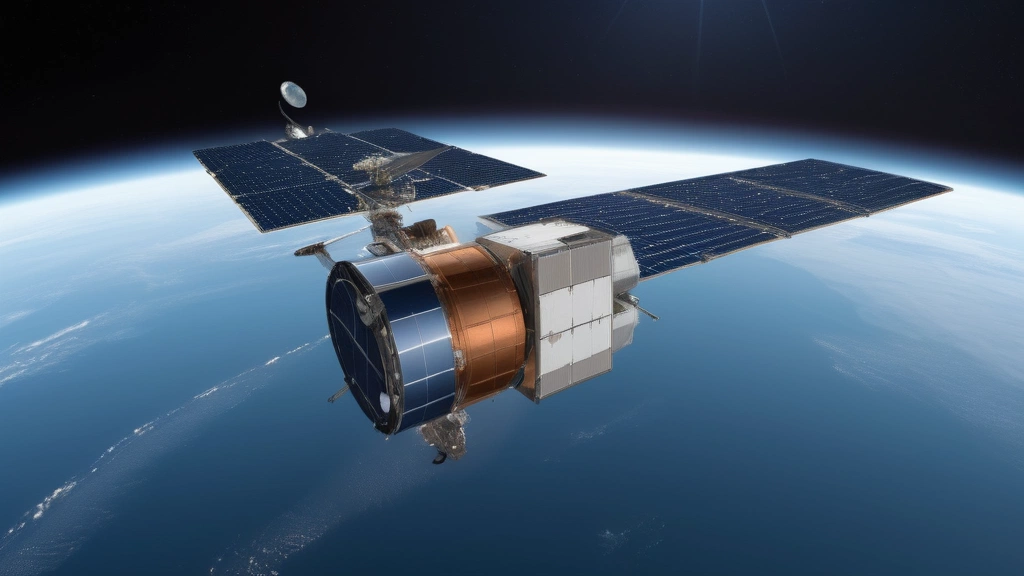
Osprey is designed to act as an intermediary capable of rendezvousing with older satellites to relay their imaging data to ground servers much faster than current systems allow. While existing satellite data transmission can take days or even weeks to reach Earth, the goal of the Osprey project is to achieve a 30-second transmission time for information collected by sensors in space. In addition to its relay function, Osprey contains its own sensors to independently collect and transmit information.
The project is contracted by the Department of National Defence and backed by $5.7 million in funding through the Innovation for Defence Excellence and Security program. Potential applications for the satellite include providing real-time data on wildfires and tracking unknown ships or vehicles in Arctic areas. Arad Gharagozli stated that earlier access to wildfire data could have helped combat fires on Nova Scotia's South Shore before they spread.
Beyond emergency response and security, the project aims to advance Canada’s sovereignty in space by reducing reliance on foreign nations for satellite data. The initiative is also expected to create job opportunities and manufacturing sites in Nova Scotia.

The target launch date for the Osprey satellite is 2028. Once launched, the satellite will be operated for a minimum of 12 months to test its capabilities and sensors.