Researchers Gather in Halifax to Address Veteran Health, PTSD, and Brain Injury
Over 900 attendees from 11 countries joined the Canadian Institute for Military Veteran Health Research annual forum in Halifax. Keynote speaker Carrie Esopenko discussed the challenges of co-occurring PTSD and traumatic brain injury, highlighting photobiomodulation as a potential treatment. The event took place shortly after a fatal training accident at CFB Wainwright.
Hundreds of researchers gathered in Halifax this week for the Canadian Institute for Military Veteran Health Research annual forum. The three-day conference drew over 900 attendees, including representatives from 11 countries. Nicholas Held, scientific director for the institute, noted that the forum has grown significantly from 550 attendees in 2022.
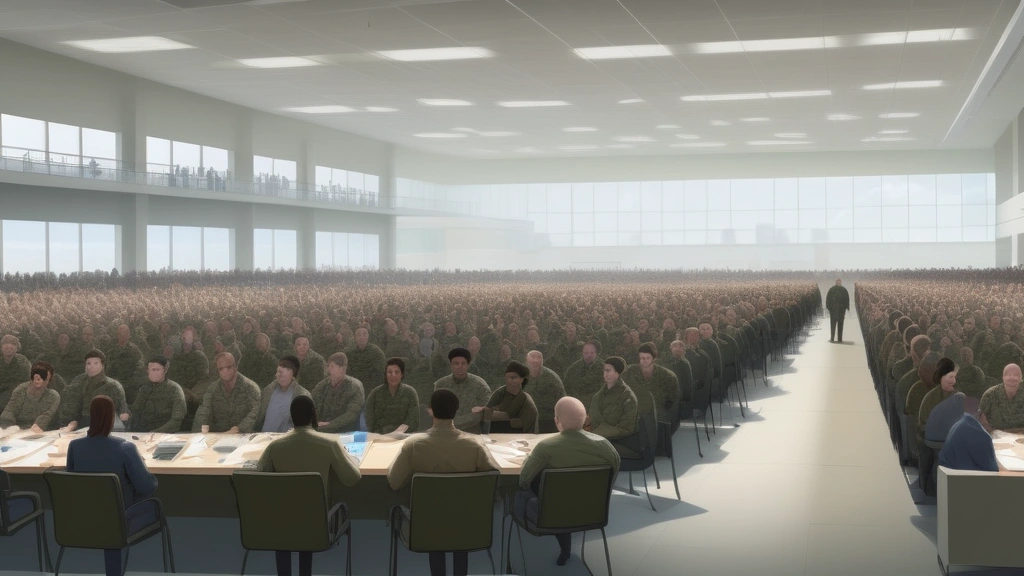
Carrie Esopenko, a researcher at the University of Utah, served as the first day's keynote speaker. She has been researching traumatic brain injury treatment at the university since 2018. During her address, Esopenko stated that post-traumatic stress disorder (PTSD) and brain injuries have overlapping symptoms, making them difficult to treat when they co-occur. She highlighted that PTSD can worsen symptoms following a brain injury, while a brain injury simultaneously makes PTSD harder to treat.
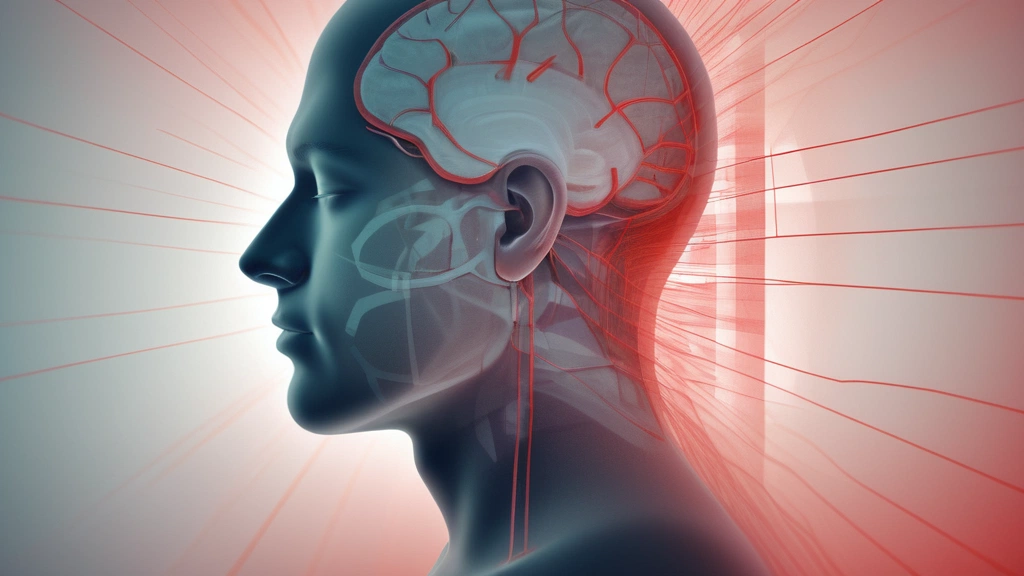
Esopenko also discussed research involving a red light therapy known as photobiomodulation. According to the findings presented, the therapy reduces symptoms of brain injury and improves cognitive function.
The forum took place days after four soldiers died and 39 others were injured in a fire during a training drill at Canadian Forces Base Wainwright in Alberta. Against this backdrop, the event underscored its aim to create real changes in the safety and health of active service members and veterans through holistic care.