Rising Deer Population in Halifax Prompts Management Framework and Population Survey
Deer are increasingly entering urban and suburban neighborhoods in Halifax, Nova Scotia, driven by habitat loss from development. With rising vehicle collisions and property damage, the province is developing an urban deer management framework while Halifax Regional Council has approved a baseline population survey.
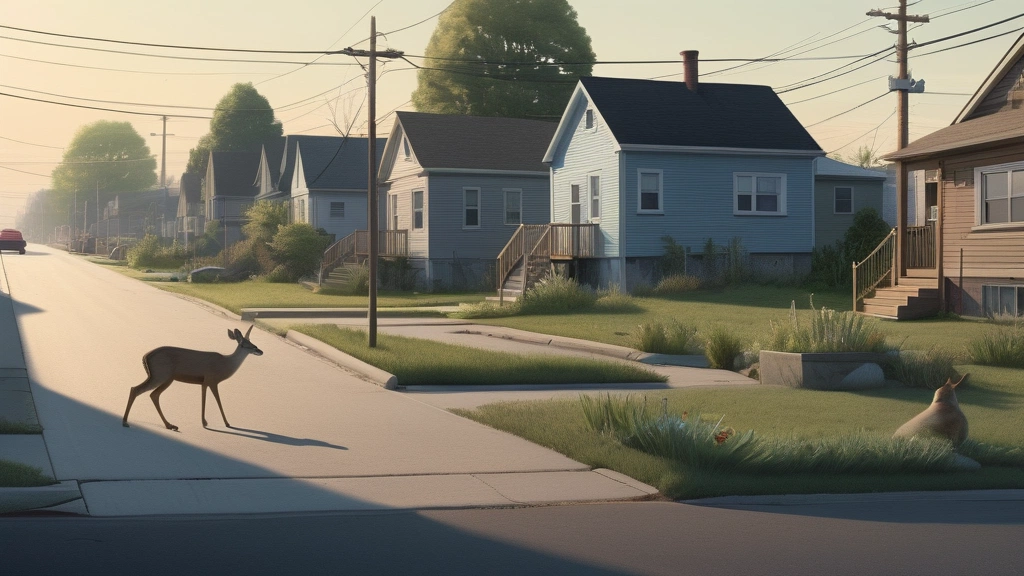
Deer are moving into Halifax neighborhoods more frequently as forests are cleared for housing developments, pushing the animals into closer contact with residents across Nova Scotia. The growing presence of deer in urban and suburban areas has generated mixed reactions, ranging from affection to frustration over garden destruction, driving hazards, and the attraction of predators such as coyotes. Residents have also raised concerns regarding ticks and Lyme disease linked to the animals.
Data from the Halifax Regional Municipality (HRM) illustrates the scale of the issue. Public works service requests to remove dead animals have risen significantly, climbing from 641 in 2020 to 766 in 2021, 741 in 2022, 789 in 2023, 984 in 2024, and 1,231 in 2025. As of September 2026, there were already 836 removal requests. The Department of Natural Resources (DNR) estimates there are usually about 400 deer collisions per year in the HRM area. However, Halifax Regional Police and the RCMP do not track specific statistics on animal-related vehicle collisions.
While some residents attempt to feed the animals, Hope Swinimer of Hope for Wildlife warns that feeding deer apples or carrots can harm their digestive systems. Effective deer fences require a height of 6 feet to keep the animals out of yards.
In response to the shifting dynamics, the province lowered the minimum age for deer hunting to 12 this spring and added stamps for different areas. Applications for human-wildlife conflict stamps saw a 9% increase. The province previously considered birth control programs for deer but deemed them too expensive and ineffective on a provincial scale. Earlier this year, seven positions were cut in the wildlife division.

The DNR is now developing an urban deer management framework that prioritizes education and regulated hunting, reserving professional removal as a last resort. Natural Resources Minister Tory Rushton stated that municipalities will take the lead in identifying concerns under the new framework. This approach aims to address public frustration over a lack of clear municipal and provincial responsibility.
On October 20, Halifax regional councilor Kathryn Morse requested a cost analysis for a baseline deer population survey to better understand the scope of the local deer population.