Protests and Policy Debates Intensify Over AI Data Centres in Canada
Communities across Canada are protesting the rapid expansion of AI data centres, citing high energy consumption and environmental risks. While researchers question the facilities' efficiency and digital sovereignty claims, government officials defend them as essential for economic growth.
Protests against artificial intelligence data centres have taken place in downtown Halifax and other communities across Canada, organized by groups including Nova Scotia Against Data Centres. The demonstrations reflect growing public concern over the technical differences between traditional and AI data centres, potential environmental hazards, and questions surrounding digital sovereignty. 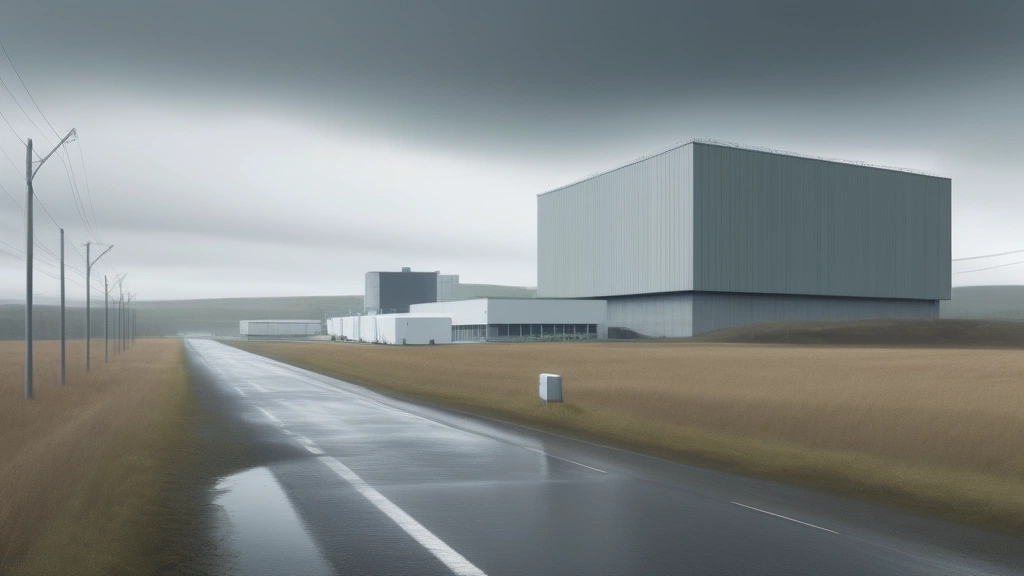
Nick Tsergas, a researcher and co-founder of the Canadian Civic Infrastructure Alliance (CCIA), states that AI data centres run on graphics processing units (GPUs) that require 10 to 100 times more power than traditional CPU-based facilities. This increased electricity consumption also generates significantly more heat. Tsergas further argues that closed-loop cooling systems are inefficient and use more power than open-loop alternatives, a position that conflicts with developers who advocate for their use.
Environmental risks associated with these cooling systems have already materialized. A coolant line broke at the Ascent TOR1 AI data centre in Cambridge, Ontario, leaking 5,000 litres of water and chemicals. Subsequent reporting linked this spill to an anaerobic bacterial bloom in local rivers.
In Nova Scotia, EverWind plans to build an AI data centre near Point Tupper in Port Hawkesbury using closed-loop cooling systems. Richmond County Warden Lois Landry defended the project, calling it a "responsible development" and stating she has heard from more people supporting the facility than opposing it. Critics of the protests argue that demonstrating against data centres while relying on them is hypocritical, whereas proponents maintain the actions raise necessary awareness about high-energy infrastructure.
At the federal level, Finance Minister François-Philippe Champagne argued that Canada's role in AI involves producing the energy needed to fuel it, stating "AI is energy." He acknowledged public concerns regarding timelines and standards. 
The debate extends to whether physical data centres provide true digital sovereignty. Tsergas contends that building AI data centres does not protect Canada against U.S.-driven shutdowns of digital services because the U.S. CLOUD Act allows the United States to demand data regardless of its storage location. Conversely, the federal government suggests that secure computing infrastructure at home aligns with responsible development principles.
Municipal governments are also navigating these tensions. In July, Hamilton city council voted down a moratorium on AI data centres, despite proposals to expand projects in the area from 200 megawatts to 400 megawatts. Local debates continue to weigh municipal revenue benefits from property taxes against community concerns over resource usage and environmental impact.