Halifax Fire Chief Warns of Staffing Challenges as High-Rise Construction Booms
New Halifax Regional Fire & Emergency Chief Deryn Rizzi highlights the logistical and staffing demands posed by the city's growing number of high-rise buildings, including a proposed 52-storey structure. While modern towers are safer due to sprinklers and concrete, they require significantly more personnel for interior operations.
Deryn Rizzi, the newly appointed chief of Halifax Regional Fire & Emergency (HRFE), has raised concerns about the operational challenges facing the department as Halifax’s skyline continues to rise. Previously serving in the same role in Mississauga, Ontario, Rizzi emphasizes that urban densification requires fire services to evolve their staffing levels and tactics.
The city is currently seeing significant vertical growth. A 40-storey building is under construction near the foot of the Macdonald bridge in Dartmouth, while a proposal for a 52-storey structure near the Armdale Rotary in Halifax is under review. For context, the current tallest building in Halifax is One77 on Quinpool Road, a 34-storey tower completed in 2025.
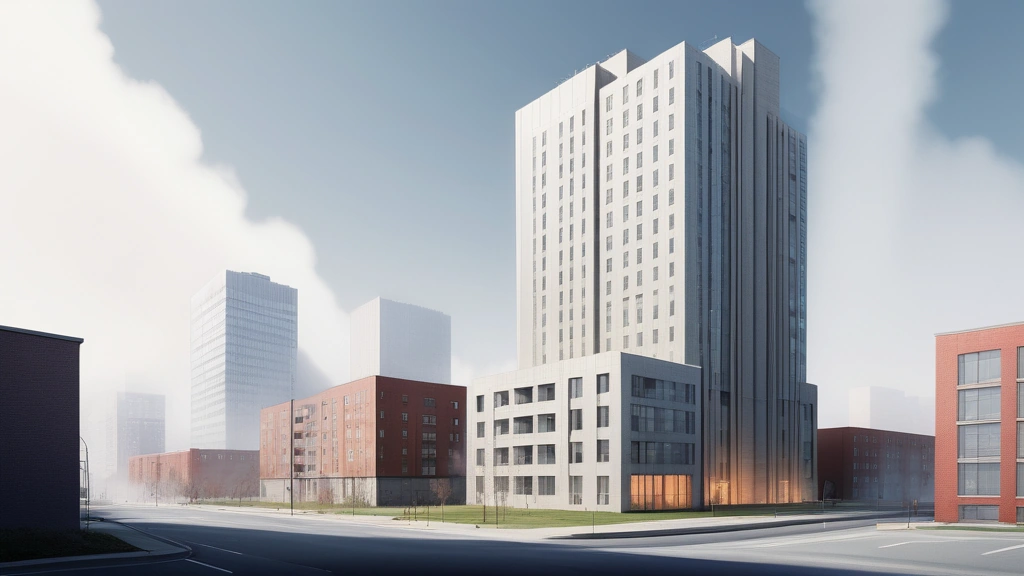
Despite the height, Rizzi notes that modern high-rises are often considered safer than detached homes. This is largely due to the use of non-combustible materials like reinforced concrete and the mandatory installation of automatic sprinkler systems. However, safety features do not eliminate the complexity of emergency response.
Firefighting tactics shift dramatically once a building exceeds seven floors or 75 feet from the fire department connection. Beyond this threshold, ground ladders and exterior master streams reach their practical limits. In such scenarios, crews typically stop at least two floors below the incident using firefighter elevators. From there, firefighters must walk up carrying equipment while wearing full protective gear.
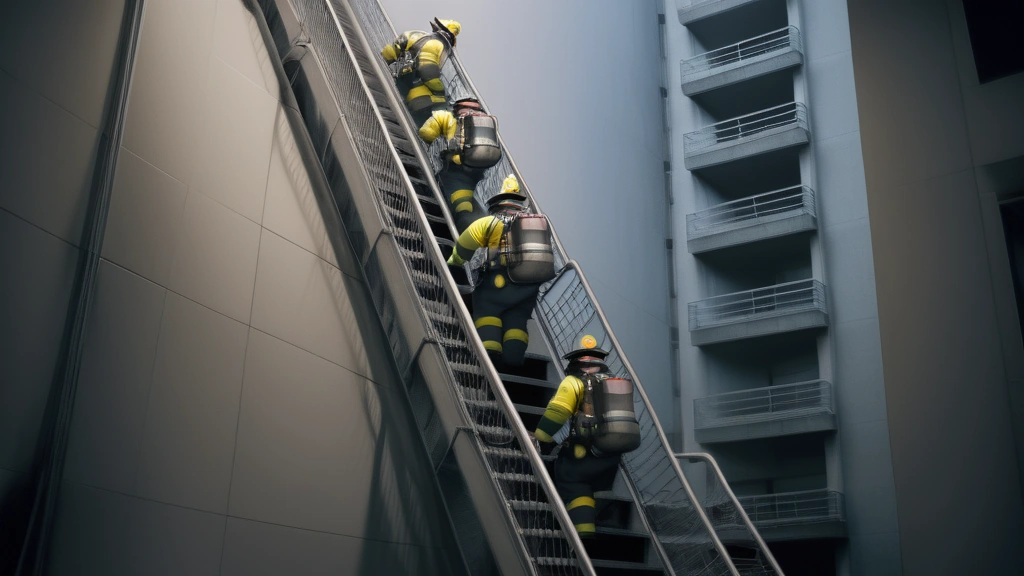
These interior operations demand substantially greater staffing levels than typical residential structure fires. High-rise incidents require simultaneous management of lobby control, stairwell support, air management, and command functions. The logistics of moving personnel and equipment vertically, along with managing competing flows of firefighters and evacuating residents in stairwells, present complex challenges that HRFE must address through specialized training and increased resources.